



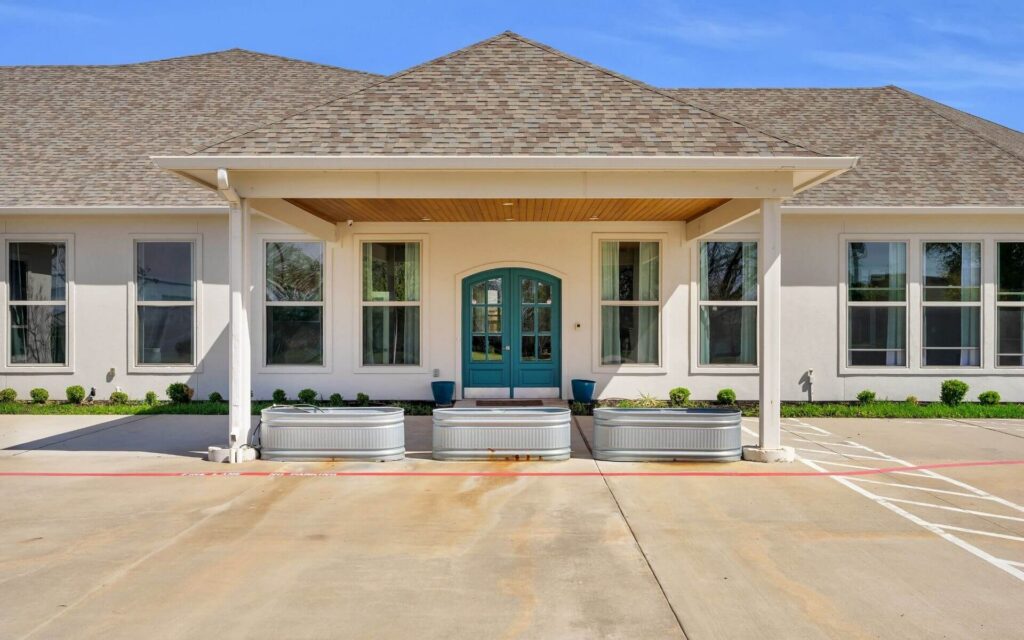

Respite care gives family caregivers temporary relief while an older adult receives support from another caregiver or care setting. Depending on the situation, respite may happen at home, through an adult day program, or during a short residential stay.
According to the National Institute on Aging’s guidance on respite care, short-term respite can give primary caregivers time to rest, travel, or attend to other responsibilities while care continues.

Care assessment
What Respite Care Means in Texas
Respite care is temporary support that allows a primary caregiver to step away from regular caregiving responsibilities for a period of time. Depending on the setting or program, respite may last from a few hours to several weeks.
A respite arrangement also has a defined beginning and end. Choosing temporary support does not automatically mean making a permanent move to senior living.
For families caring for an older adult, the right type of respite depends on what the person needs while the regular caregiver is unavailable. Some people may need companionship or help with everyday routines. Others may need a residential setting that can support daily living or memory-related needs.
Common respite care examples include:
- In-home support while the regular caregiver takes time away
- Adult day programs that provide daytime supervision or activities
- Short-term residential stays
- Planned respite during caregiver travel or temporary absences
- Emergency respite when the usual caregiver unexpectedly becomes unavailable
Texas also maintains a respite provider search tool that lets families explore services by location, age, and type of respite, including in-home and out-of-home options.
Common Respite Care Routes in Texas
| Respite option | What it generally provides | Payment or eligibility |
| In-home respite | Temporary support in the older adult’s home | May be private pay or available through a qualifying program |
| Adult day respite | Supervision, activities, or support during part of the day | Varies by program and provider |
| Residential respite | A temporary stay in a residential care setting | Often private pay unless an applicable benefit or program applies |
| STAR+PLUS HCBS respite | Program-authorized temporary caregiver relief for eligible members | Requires program eligibility and authorization |
| Medicare hospice respite | Short-term inpatient respite arranged through hospice | Limited to qualifying hospice situations |
The important distinction is that respite care is a type of temporary support, not one Texas program with one set of eligibility, payment, or service rules.
When Families May Consider Respite Care
A caregiver does not need to wait for an emergency before exploring respite. Planned respite creates a defined period when another care arrangement takes over while the regular caregiver attends to other needs.
Families may consider respite when a caregiver needs time to rest, travel, attend an important event, manage personal responsibilities, or temporarily step away from a demanding routine.
Residential respite may be worth considering when an older adult needs a temporary living arrangement with ongoing daily support during the caregiver’s absence.
A useful starting question is: What support will the older adult need while the regular caregiver is away? The answer can help narrow the type of respite and setting worth exploring.
What Residential Respite Care Can Include
Residential respite gives an older adult a temporary place to stay rather than bringing temporary care into the person’s home. Services differ between communities, so families should confirm what is available before arranging a stay.
For an older adult who already needs help with everyday activities, a residential setting can bring several aspects of daily support into one environment during the temporary stay.
At the Plano communities discussed here, available care services include Assisted Living, Memory Care, and Respite Care. Available amenities and support include daily living assistance, dining and nutrition, home services and personal care, wellness and life-enrichment opportunities, accessible bathrooms, home-like common areas, outdoor spaces with porches and secure garden areas, and private and shared room options.
These practical features may matter during a temporary stay because the older adult will be living, dining, resting, and receiving support in the same environment for several days.
Families should still compare the older adult’s needs with what the setting provides. Daily routines, personal care needs, memory support needs, mobility considerations, and preferred surroundings may all affect whether a particular respite arrangement is suitable.
Who Pays for Respite Care in Texas?
Who pays for respite care depends on the type of respite, whether the person qualifies for a public or insurance benefit, and which provider is being considered. There is no single statewide payment rule.
Private-Pay Respite Care
Some families pay a respite provider directly. This can be a straightforward option when arranging a private residential stay outside a government benefit program.
For respite stays at the Plano communities discussed here, pricing is $350 per day with a five-day minimum, plus a $350 one-time community fee for respite. Families considering a residential stay can also review floor plans and pricing when comparing accommodation options and costs.
When comparing private-pay respite, look beyond the daily rate. Confirm what is included in the quoted price, whether a minimum stay applies, and whether there are one-time fees associated with the stay.
Medicaid Respite Care in Texas
Some Medicaid beneficiaries may qualify for respite through a specific Texas Medicaid program, but eligibility, authorization, provider requirements, and limits depend on the program.
For example, the STAR+PLUS Home and Community Based Services program has specific respite rules for eligible members. Current STAR+PLUS respite service rules describe a standard annual limit of 30 days, equivalent to 720 hours, per Individual Service Plan year unless the managed care organization approves an exception.
That is a program-specific limit, not a universal allowance for respite care in Texas.
STAR+PLUS eligibility or authorization also does not establish that a particular private residential respite provider participates in the program or that a private respite stay will be covered. Families using Medicaid benefits should confirm authorized services and eligible providers through their health plan or program before making arrangements.
Does Medicare Pay for Respite Care?
Medicare should not be assumed to cover a privately arranged residential respite stay simply because a family caregiver needs temporary relief.
Medicare Part A can cover short-term inpatient respite in qualifying hospice situations when the hospice team determines the care is needed and arranges the stay. The official Medicare hospice respite coverage information also states that a beneficiary may pay 5% of the Medicare-approved amount for inpatient respite care.
This hospice benefit is different from independently arranging a private senior living respite stay. Families relying on Medicare should confirm coverage with the hospice provider before making plans.

Texas Respite Resources and Program Questions
A search for “respite care Texas” can bring together private senior living options, Medicaid benefits, hospice coverage, caregiver resources, and provider directories. These options are related, but they are not interchangeable.
Families who are still identifying available services can use the state’s Texas respite provider search to explore options based on factors such as location, age, and type of respite.
Families researching Medicaid respite should separately review the eligibility and service rules for STAR+PLUS respite, because that benefit has its own authorization, provider, and service requirements.
Before assuming that a benefit will pay for a particular respite arrangement, identify the program involved and confirm how its rules apply to the individual situation.
Respite Care in Plano
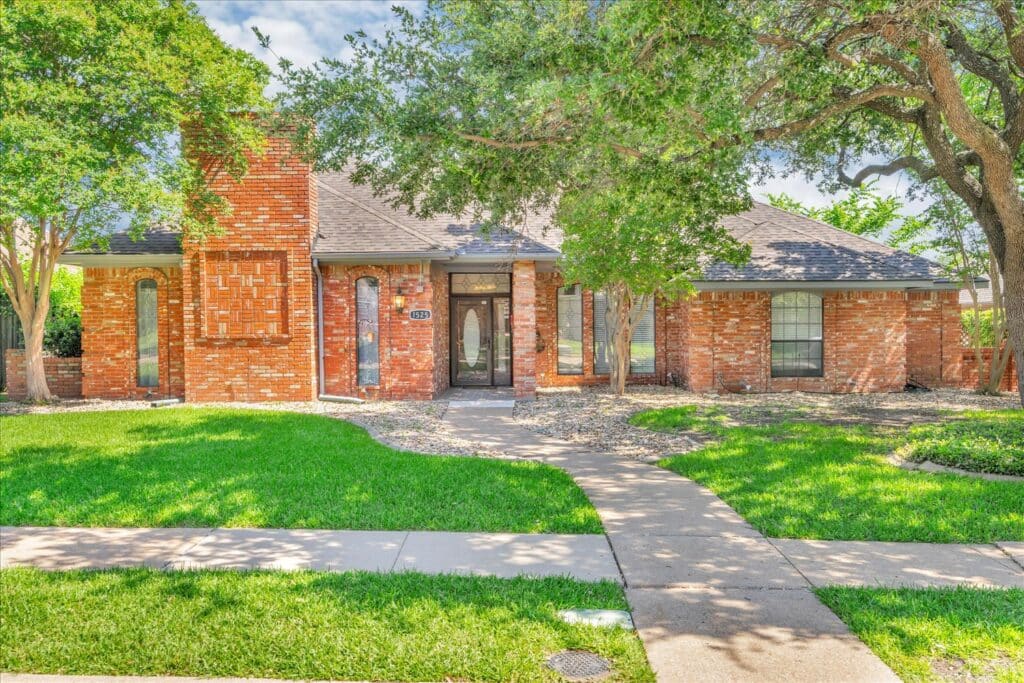
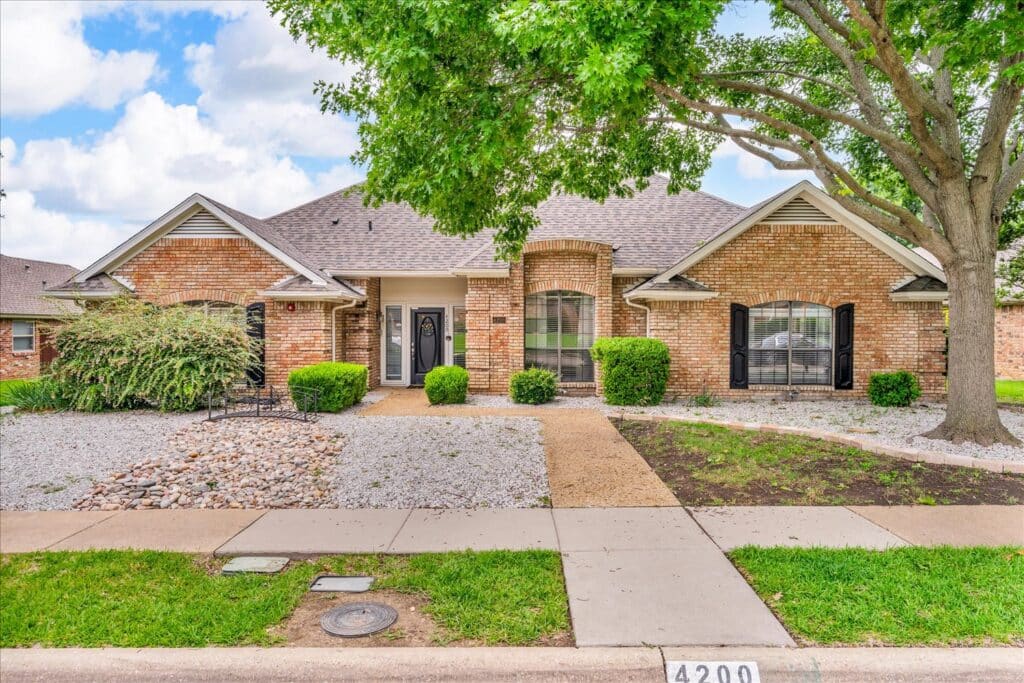
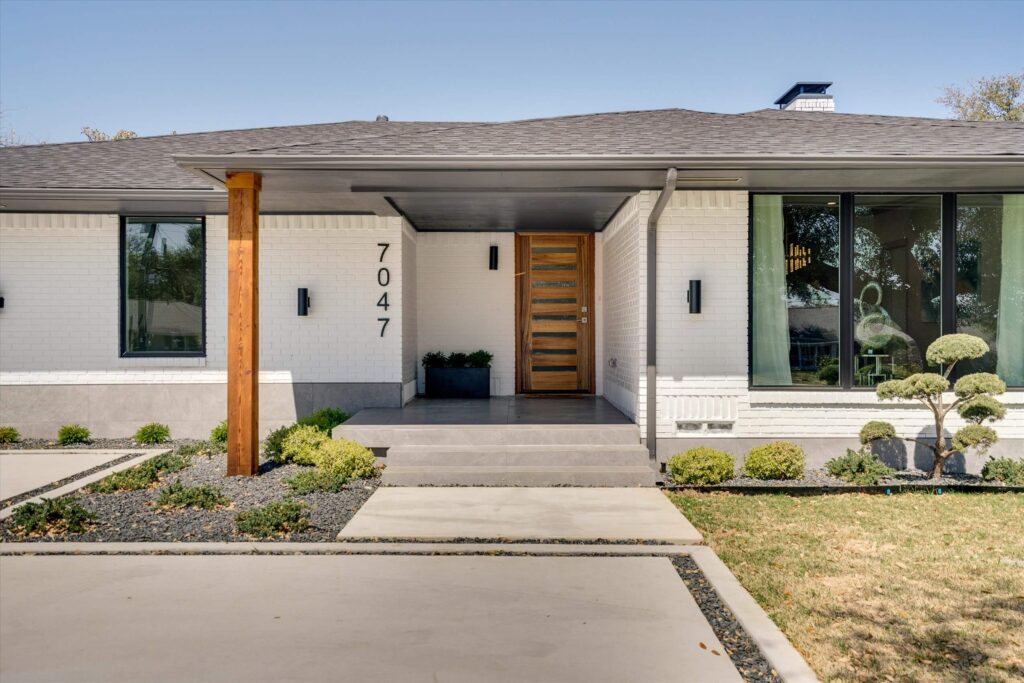
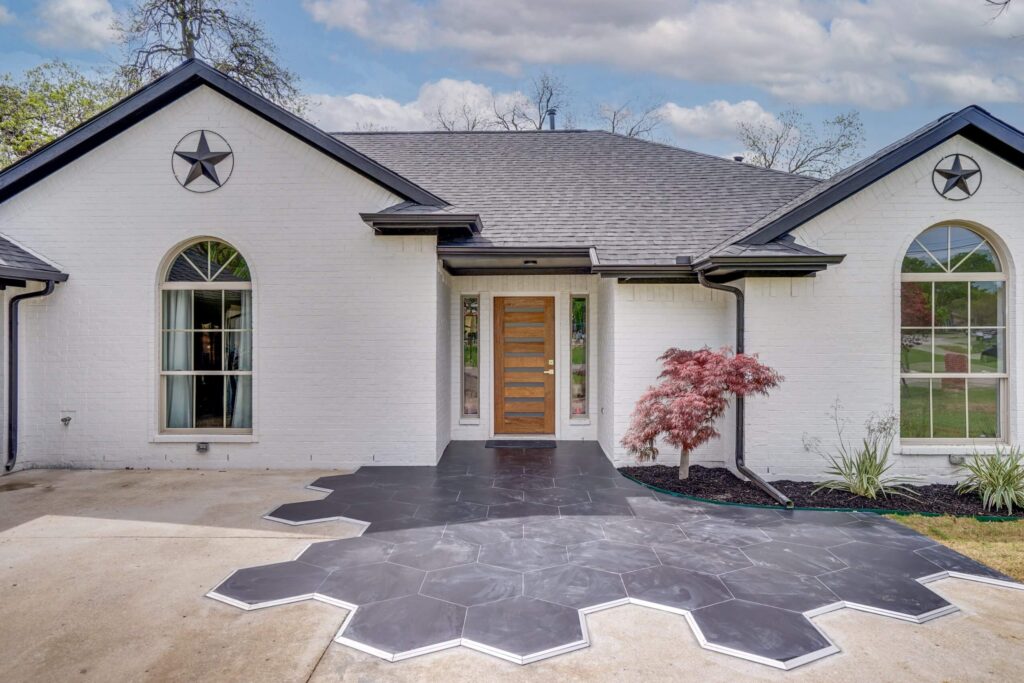
Short-term residential respite is available alongside Assisted Living and Memory Care at three Plano locations:
- Ambrosia Lane — 4200 Ambrosia Ln, Plano, TX 75093
- Aylesbury Lane — 1525 Aylesbury Ln, Plano, Texas 75075
- Diane Dr — 2101 Diane Dr, Plano, TX 75074
The communities include comfort-focused living areas, outdoor spaces with porches and secure garden areas, private dining and living areas for special visits, accessible bathrooms, private and shared rooms, daily living support, dining and nutrition, personal care, and wellness and life-enrichment opportunities.
Respite pricing is $350 per day with a minimum stay of five days, plus a $350 one-time community fee for respite.
Cost is only one part of the decision. Families should also consider the older adult’s daily support needs, memory care needs, routines, preferred environment, and how long the regular caregiver expects to be away.
Finding the Right Respite Care Option
The starting point is identifying what the older adult will need during the caregiver’s absence. From there, families can determine whether in-home respite, an adult day program, a qualifying public benefit, or a residential respite stay deserves closer consideration.
Once the type of respite is clearer, the next question is often how to evaluate the person or community providing that care. Families at that stage can use this guide on how to choose a respite care provider for seniors to continue the decision without repeating the Texas program and payment information covered here.
If a short residential stay may fit your family’s situation, completing a care assessment can help identify the level of support worth discussing. You can also contact the community with questions about respite availability or call 469-697-0565.
Frequently Asked Questions
What is the Texas respite care program?
Texas does not have one universal respite program that applies to every caregiver. Families may encounter statewide respite resources as well as Medicaid or other benefit programs with separate eligibility rules. The right pathway depends on the person receiving care, the type of respite needed, and whether the family is seeking a private provider or a public benefit. Families should verify the rules of the specific program they are considering.
Is respite care covered by Medicare in Texas?
Medicare does not generally cover a privately arranged senior living respite stay simply because a caregiver needs a break. A limited respite benefit is available under qualifying Medicare hospice coverage. In that situation, the hospice team must determine that short-term inpatient respite is needed and arrange the care. Coverage for a private residential respite stay should not be assumed from the hospice benefit.
How many hours of respite care are you allowed in Texas?
There is no single statewide number of respite hours that applies to everyone in Texas. Limits depend on the program or private care arrangement being used. STAR+PLUS HCBS currently has a standard respite limit of 30 days, equivalent to 720 hours, per Individual Service Plan year unless an exception is approved. That program-specific limit does not apply to every private-pay respite arrangement or every other respite program in Texas.