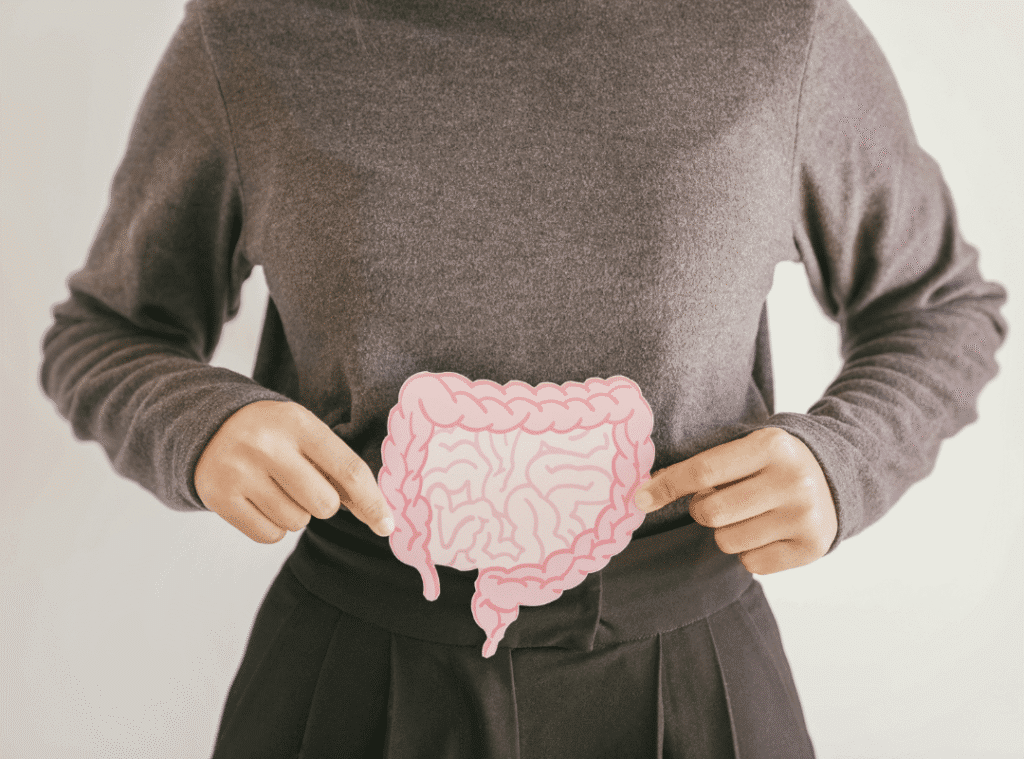








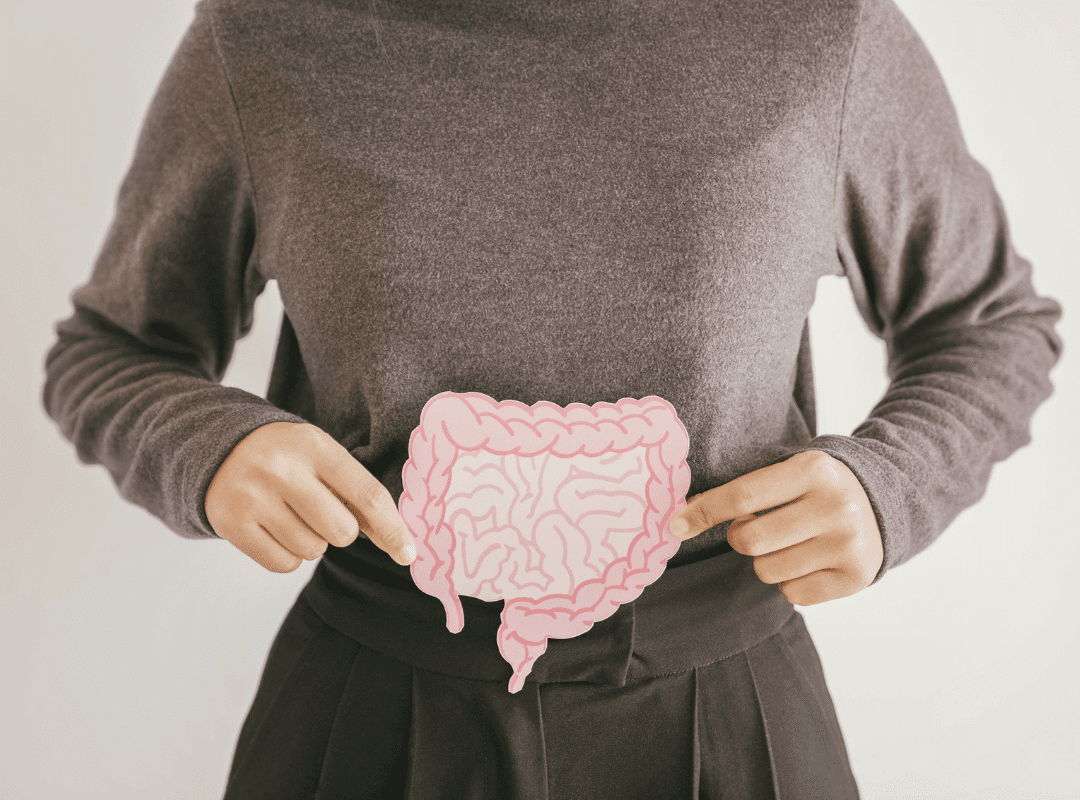
Foods good for colon health of the elderly include fiber-rich fruits, vegetables, beans, lentils, and whole grains, supported by enough fluids and gradual dietary changes. Together, these choices can support regular bowel movements and everyday digestive health without requiring a complicated or restrictive eating plan.
A healthy colon diet is built through consistent habits, not one perfect food. Understanding the roles of fiber, hydration, and food variety can help you make practical choices for yourself or an older family member. Individual health needs still matter, especially before making a major dietary change.

Care assessment

What Foods Are Good for Colon Health in the Elderly?
Foods that support colon health generally include fiber-rich fruits, vegetables, beans, lentils, and whole grains. Water helps fiber do its job, while a varied diet provides different nutrients that support digestion and overall wellness.
A healthy diet for colon health is a balanced eating pattern, not a strict plan or a single food. The right combination depends on the individual, so foods should be introduced gradually and adjusted based on personal health needs.
How Fiber, Hydration, and Food Variety Support Colon Health
Fiber, fluids, and food variety work together to support regular digestion. Focusing on only one of these areas may leave the diet incomplete.
Fiber and Digestive Regularity
Fiber adds bulk to stool and can make it easier to pass. The National Institute of Diabetes and Digestive and Kidney Diseases states that adults generally need 22 to 34 grams of fiber daily, depending on age and sex.
That number is a general recommendation, not a target that suits every person automatically. A healthcare professional or dietitian can help determine an appropriate amount for an older adult’s needs.
Hydration and a Higher-Fiber Diet
Fluids help fiber move through the digestive system. Increasing fiber without enough fluid may make it harder for the body to adjust.
The right amount of fluid can vary. Older adults who have been given specific fluid instructions should follow guidance from their healthcare professional.
Food Variety and a Balanced Colon Health Diet
Different food groups serve different roles. Fruits and vegetables provide fiber and fluids, while beans, lentils, and whole grains offer additional ways to increase fiber across meals.
Variety also makes eating for a healthy colon more practical. Rotating familiar foods can prevent the diet from becoming overly restrictive or dependent on one ingredient.
Food Groups to Include in a Healthy Colon Diet
A healthy colon diet can include several familiar food groups. The goal is to combine them in a balanced way that fits the person’s preferences and individual needs.
| Food group | Examples | Practical role |
| Fruits | Berries, apples, bananas, pears, and citrus fruits | Add fiber, fluids, and variety |
| Vegetables | Leafy green vegetables | Support a fiber-rich eating pattern |
| Beans and lentils | Beans and lentils | Add fiber to meals |
| Whole grains | Whole grains and oatmeal | Provide another source of dietary fiber |
| Fermented foods | Yogurt and kimchi | Add variety to meals |
| Lean proteins | Fish and chicken | Help create balanced meals |
No single group provides everything the body needs. Combining several categories across the day can make a healthy colon diet more balanced and easier to maintain.
How to Add Colon-Friendly Foods to Daily Meals Gradually
Gradual changes give the digestive system time to adjust. Adding several high-fiber foods at once may lead to discomfort for some people, so small steps are often easier to manage.
A practical approach may include:
- Add one fiber-rich food at a time.
- Make one simple substitution during a familiar meal.
- Include appropriate fluids as fiber intake increases.
- Notice how the person responds to each change.
- Ask for professional guidance before making a major adjustment.
You might add berries or bananas to oatmeal, choose water in place of a sugary drink, or include beans or lentils in a familiar meal. These changes are easier to evaluate when introduced one at a time.
Which Foods Should Older Adults Limit for Colon Health?
Foods that are highly processed, low in fiber, or frequently fried may be better eaten less often. A balanced approach is more useful than labeling individual foods as entirely good or bad.
Foods to limit may include:
- Processed meats such as bacon, sausage, and deli meat
- Fried or heavily processed meals
- Sugary drinks and desserts
- Low-fiber refined foods such as white bread and pastries
- Alcohol
The American Cancer Society’s colorectal cancer risk guidance reports that a long-term diet high in red and processed meats is associated with increased colorectal cancer risk. This does not mean one food determines a person’s health outcome. The overall eating pattern, personal history, and other health factors also matter.
Simple substitutions can make this advice more practical. Water can replace some sugary drinks, and less-processed meal choices can reduce reliance on deli meats or fried foods.
What Should Older Adults Consider Before Changing Their Diet?
Major dietary changes should reflect the older adult’s overall health and nutrition needs. A food that works well for one person may not be suitable for someone else.
This is especially relevant when an older adult is managing health conditions or already follows personalized nutrition guidance. A healthcare professional can help determine how much fiber and fluid may be appropriate and whether certain foods should be added or limited.
If nutrition is one part of a wider conversation about daily support, the Our Cottage Care Assessment can help families consider their next questions. It does not replace medical or dietary advice.
Why Healthy Eating and Colon Screening Serve Different Purposes
Healthy eating supports digestion and everyday wellness, but it does not replace colon screening. Screening can identify polyps or other concerns that food choices alone cannot reveal.
A 2025 Centers for Disease Control and Prevention study found that 61.4% of adults ages 45 to 75 were up to date with colorectal cancer screening based on 2022 data. Current recommendations support screening for adults in this age group, while decisions for older adults may depend on individual circumstances. A healthcare professional can explain which screening options and timing are appropriate based on age, health, and personal risk.
Supporting Nutrition and Daily Well-being at Our Cottage
A colon-friendly eating pattern centers on fiber-rich foods, appropriate hydration, variety, and gradual changes. At Our Cottage in Plano, Dining & Nutrition and On-Site Medical Coordination are part of a wider setting that offers Assisted Living, Memory Care, and Respite Care. Families considering broader daily support can also read about choosing assisted living for seniors in Plano.
To learn how dining and daily support come together across the community, schedule a visit or contact the Our Cottage team with your questions. You can also call 469-697-0565 for a personal conversation about available care and community life.