


High-end wellness for aging is best understood as a more individualized, whole-person approach to supporting well-being as people grow older. It is not simply about luxury amenities or expensive treatments. Meaningful wellness considers physical health, nutrition, movement, emotional well-being, social connection, everyday support, and appropriate health care together.
That broader perspective is consistent with how public-health authorities describe healthy aging. The Centers for Disease Control and Prevention consider physical, mental, and social health part of healthy aging and highlight areas such as nutrition, physical activity, social connection, emotional well-being, injury prevention, and routine health care.
For older adults and families exploring wellness-focused senior living, the more useful question is not, “How many premium services are available?” It is, “Does this environment support the parts of daily life that matter to this person’s health, comfort, abilities, interests, and changing needs?”

Care assessment
What Does High-End Wellness for Aging Really Mean?
There is no single standardized package called “high-end wellness for aging.” In practical terms, the phrase can describe a more thoughtful and personalized approach to aging well.
Older adults do not all need the same type or amount of support. Health history, mobility, cognitive changes, routines, food preferences, social interests, sleep, medications, and personal goals can all affect what meaningful wellness looks like.
The National Institute on Aging likewise explains that healthy aging is influenced by many factors. Some cannot be changed, while others involve areas such as physical activity, nutrition, medical care, sleep, and social engagement.
For families, this means “high-end” should not automatically mean more interventions or more expensive services. A more useful measure is whether support is relevant to the individual and integrated into everyday life.
What Actually Supports Healthy Aging?
Healthy aging is multidimensional. Focusing on only one area, such as fitness or medical care, can overlook other parts of daily life that influence well-being.
Physical Activity and Movement
Movement can remain an important part of healthy aging, although the appropriate type and intensity depend on a person’s health and abilities.
The National Institute on Aging identifies physical activity as an important component of healthy aging, with potential benefits for physical function, emotional well-being, sleep, and management of some chronic health conditions.
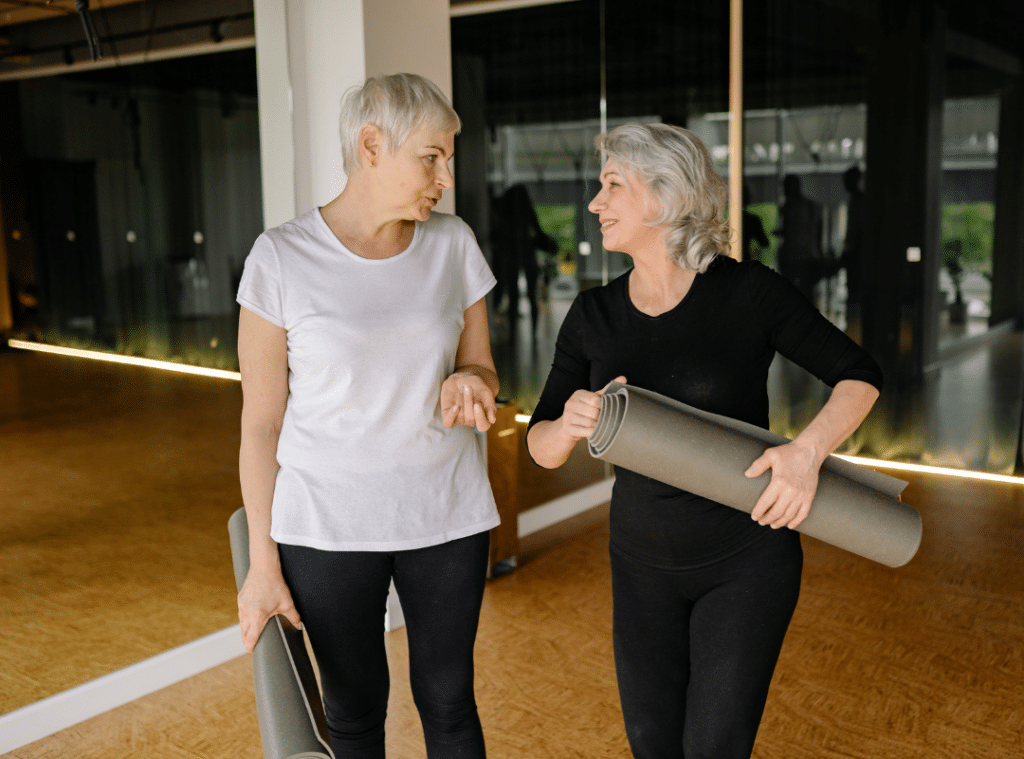
Meaningful activity does not always need to resemble a formal workout. Depending on the individual, walking, gardening, balance exercises, dancing, household movement, or group activities may all have a place.
Any new exercise routine should take medical conditions, mobility limitations, fall risk, and guidance from health care professionals into account.
Nutrition and Routine Meals
Nutrition is another important part of healthy aging. The CDC includes balanced nutrition among the habits that can support health and well-being as people age.
In a senior living environment, the practical issue goes beyond whether food is available. Families may also want to understand how meals fit into daily routines, how dietary needs are addressed, and whether the dining experience is comfortable and appropriate for the individual.
Mental and Emotional Well-Being
Healthy aging also includes mental and emotional health.
Maintaining interests, managing stress, getting sufficient sleep, staying mentally engaged, and having appropriate support when needed may all contribute to quality of life.
This is one reason wellness should extend beyond physical care. Older adults continue to have preferences, routines, interests, relationships, and goals that shape how they experience everyday life.
Social Connection and Meaningful Engagement
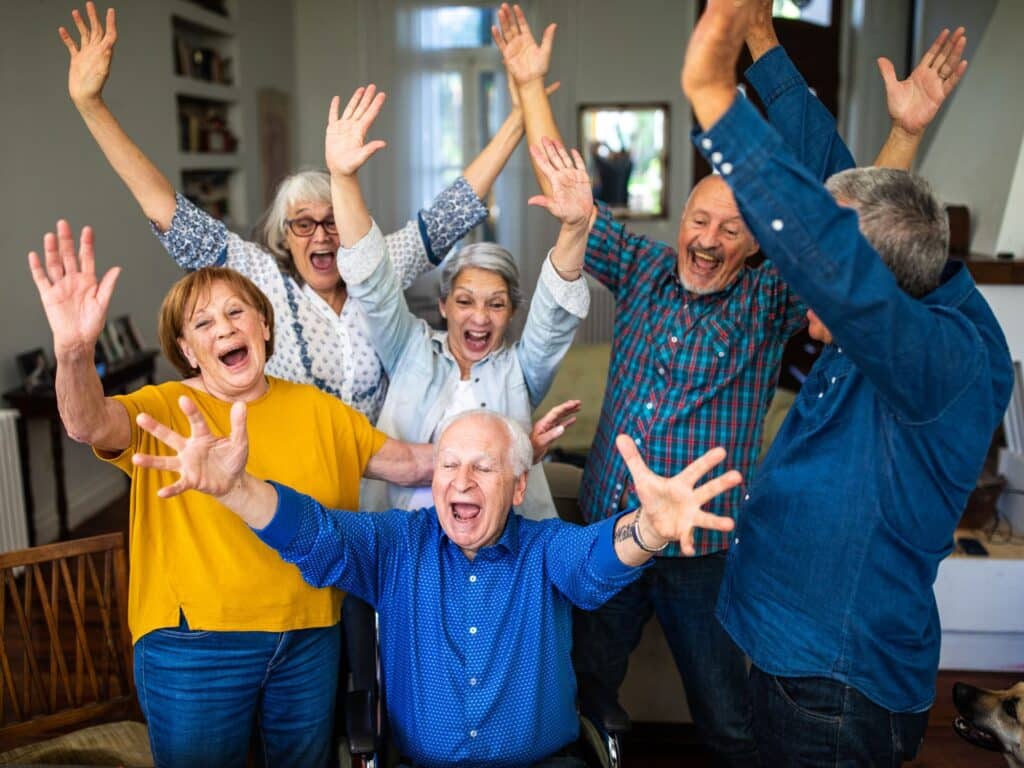
Social connection also matters. The CDC includes staying socially connected and engaged with others among its healthy-aging recommendations.
That does not mean every older adult needs or wants a busy activity calendar. Some people enjoy frequent group interaction, while others prefer smaller gatherings, hobbies, outdoor time, private visits, or quieter routines.
The important question is whether opportunities for engagement fit the individual rather than simply whether a long list of activities exists.
Families specifically interested in local recreation can also explore this guide to Plano Senior Recreation Center activities.
Routine Health Care and Ongoing Support
Wellness does not replace medical care.
Routine health visits, preventive care, management of existing conditions, and appropriate medical treatment remain important parts of healthy aging. The CDC specifically includes routine health care among its healthy-aging guidance.
This distinction is especially important when evaluating senior living. Residential wellness support may include help with daily routines, meals, activities, personal care, or coordination, but medical diagnosis and treatment decisions belong with appropriately qualified health professionals.
Personalization Matters, but Wellness Is Not the Same as Medical Treatment
Personalization is one of the most useful ideas behind high-end wellness for aging, but it can easily be misunderstood.
Personalization does not mean that every wellness trend, therapy, or intervention is appropriate for every older adult. It means recognizing that aging is individual and that support should reflect actual needs rather than a generic definition of what “healthy aging” should look like.
For one person, mobility and help with daily routines may be the biggest priorities. Another person may place more value on social engagement, familiar routines, nutrition, outdoor time, or memory support. Someone else may need closer coordination around existing health concerns.
Medical weight-loss medications, hormone therapies, aesthetic procedures, and other clinical treatments are separate medical decisions. They should not be treated as defining features of wellness for older adults.
When a health concern requires diagnosis or treatment, the appropriate next step is a conversation with a qualified health care professional who understands the individual’s medical history.
What Can Wellness-Focused Senior Living Look Like?
In senior living, wellness becomes more meaningful when it is integrated into daily life rather than treated as a separate marketing feature.
Depending on the individual and the community, areas worth evaluating can include:
- Opportunities for wellness and life enrichment
- Nutritious meals and a comfortable dining routine
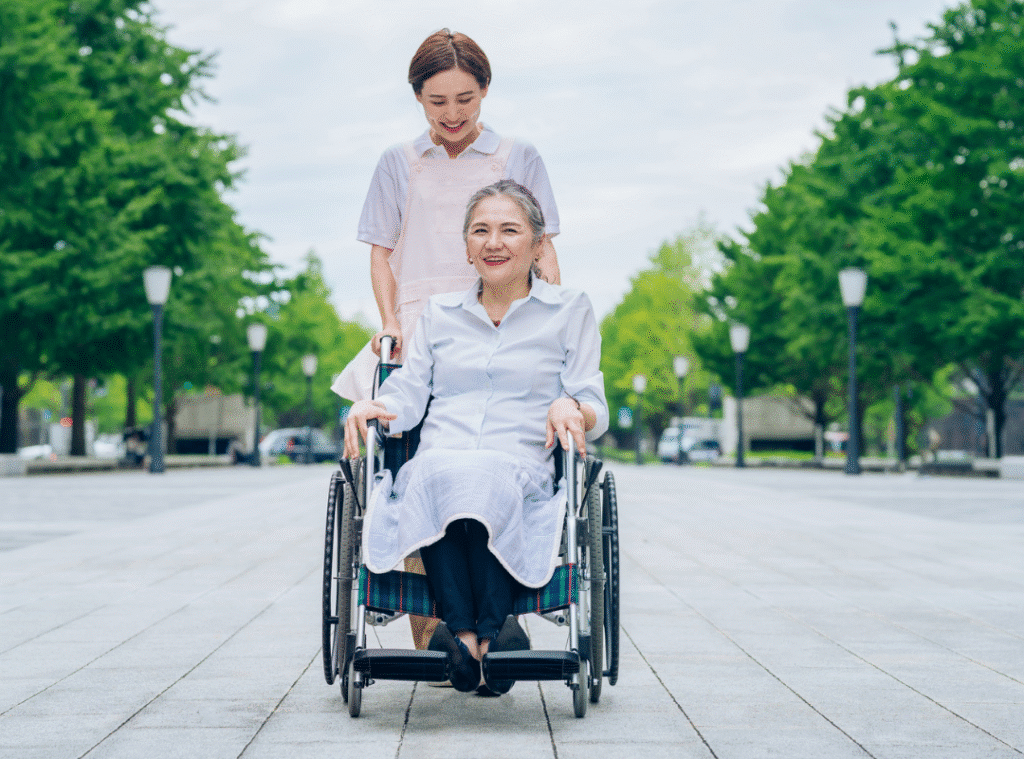
- Assistance with activities of daily living when needed
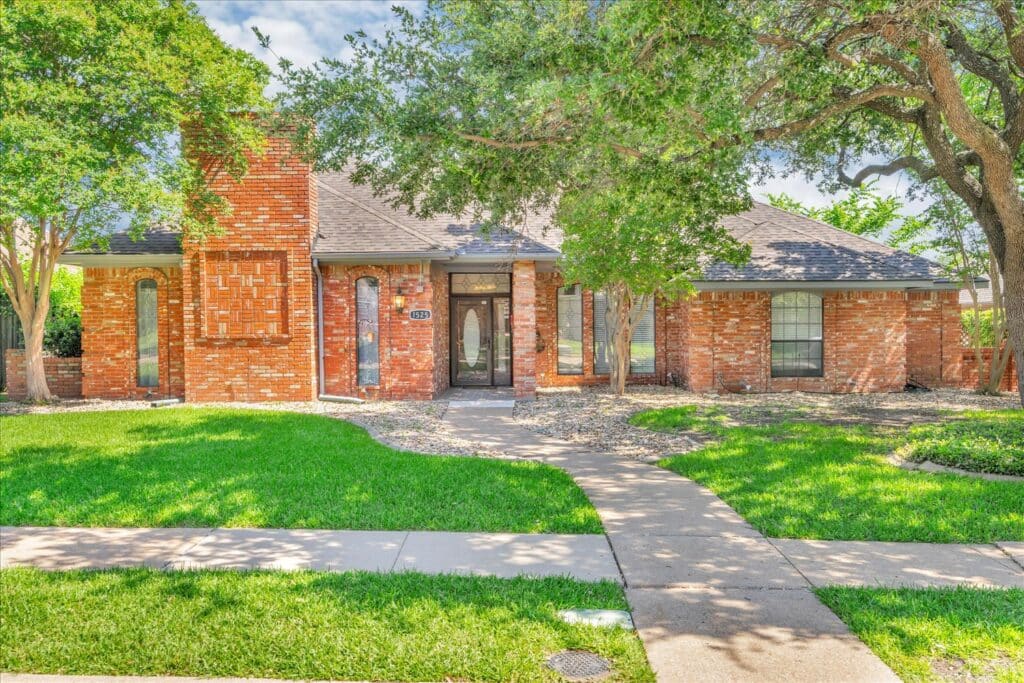
- Comfortable and accessible living spaces
- Indoor and outdoor areas for relaxation or engagement
- Opportunities for social connection
- Appropriate coordination around health-related needs
Not every feature will matter equally to every person. A spacious outdoor area may be important to one older adult, while another may care more about help with daily routines, dining, social opportunities, or memory support.
The important issue is whether the environment and available support match the person’s current needs while allowing for changes over time.
How to Evaluate Wellness Support for an Older Adult
Words such as “wellness,” “personalized,” “premium,” and “holistic” can sound reassuring without explaining what everyday life actually looks like.
Families can get a clearer picture by asking practical questions.
| What to evaluate | Why it matters | What to ask |
| Daily support | Wellness is closely connected to everyday routines | What assistance is available with daily activities? |
| Activities and engagement | People differ in how they prefer to stay active and connected | What types of activities and life-enrichment opportunities are available? |
| Food and dining | Nutrition is part of healthy aging | How are meals and dietary needs handled? |
| Physical environment | Comfort and accessibility affect everyday life | What indoor and outdoor spaces are available, and how accessible are they? |
| Medical coordination | Residential support and medical treatment are different | How are health-related needs coordinated, and what remains the responsibility of outside health professionals? |
| Personal fit | A good environment for one person may not suit another | How is the appropriate type and level of support determined? |
Useful answers should be specific enough to help a family imagine everyday life.
Broad claims about “whole-person wellness” or “luxury care” are less informative than clear explanations about meals, daily support, activities, accessibility, communication, and how changing needs are handled.
It may also help to consider the older adult’s current situation:
- Which parts of daily life are going well?
- Where are routines becoming more difficult?
- What kinds of environments feel comfortable?
- What activities or interactions does the person actually enjoy?
- Is additional help becoming necessary?
- Are needs changing in ways that may require more support?
These questions shift the decision away from marketing labels and toward personal fit.

Is High-End Wellness the Future of Senior Health?
The strongest ideas associated with high-end wellness for aging are likely to remain relevant because they reflect a broader emphasis on individualized support and a more complete view of well-being.
That does not mean every new wellness treatment or trend represents progress.
A more practical direction is to recognize that physical health, nutrition, movement, emotional well-being, social connection, environment, daily support, and medical care interact rather than exist in isolation.
Personalization is also important because an older adult’s needs can change. Support that works well today may need to evolve as mobility, cognition, health conditions, routines, or personal priorities change.
For senior living, wellness is therefore better judged by how well everyday support fits the individual than by how many services can be labeled “wellness.”
High-end wellness for aging, at its best, is not about resisting aging or promising a particular health outcome. It is about creating conditions that can support healthier routines, meaningful engagement, appropriate assistance, comfort, and individual choice as needs evolve.
Schedule a Tour
Finding the Right Next Step
If you are beginning to think about healthy aging for yourself or someone you care about, you may not need to choose a senior living community immediately.
A useful first step is to identify what is working well now, where additional support may be helpful, and which aspects of daily life matter most to the individual.
For families considering Our Cottage, the Lifestyle Assessment offers a low-pressure way to start thinking through those needs. If the larger question involves the appropriate level of care, the Care Assessment can help focus that conversation.
Families who are ready to explore the communities directly can also schedule a visit or call 469-697-0565.