






Once your family has decided that assisted living may be the appropriate level of support, the next question is different: How do you compare assisted living options and determine which community is the best fit?
Brochures, room photos, amenities, and monthly prices can help, but they rarely tell the whole story. A useful comparison looks at how a community would support the person’s actual daily needs, what life there feels like, what is included in the cost, and how confidently the family understands what happens if those needs change.
The goal is not to find a community that checks the most boxes. It is to identify which option can provide the right combination of support, environment, routine, and value for the person who will live there.

Care assessment
Start With the Support Your Loved One Actually Needs
Before comparing communities, write down the support that matters most during an ordinary day.
That might include help with:
- Bathing or dressing
- Personal care
- Mobility
- Meals and nutrition
- Medication-related routines or coordination
- Household tasks
- Social engagement
- Daily structure
- Wellness activities
This gives you a practical baseline for comparison.
If you are still unsure whether assisted living itself is the appropriate care setting, start with Assisted Living Seniors: Choosing the Right Care Setting before comparing individual communities.
The National Institute on Aging also recommends considering a person’s health, care needs, preferences, finances, and available services when choosing a long-term care facility.
Once the needed level of support is reasonably clear, community comparisons become much more meaningful.
What Should You Compare Between Assisted Living Communities?
Two communities can both be described as assisted living while offering noticeably different environments, room arrangements, services, routines, and approaches to daily support.
Instead of comparing every feature equally, focus on the factors that will directly affect everyday life.
| What to compare | What to ask | Why it matters |
| Daily support | How would you support the specific tasks my loved one needs help with? | A community must be able to meet actual care needs, not just offer attractive amenities. |
| Care planning | How are needs assessed, and how are changes handled? | Support needs can evolve over time. |
| Living environment | What are the room and common-area options? | Comfort, privacy, accessibility, and familiarity affect daily experience. |
| Meals and nutrition | How are meals served and dietary needs addressed? | Dining is part of everyday health, routine, and social life. |
| Activities and engagement | What kinds of activities are available, and how are residents encouraged to participate? | Programming should match the person’s interests and abilities. |
| Family involvement | How can families stay involved? | Communication and connection may matter throughout the transition and residency. |
| Costs | What does the base price include, and what costs extra? | Monthly rates are difficult to compare unless the inclusions are clear. |
| Changing needs | What happens if additional support becomes necessary? | Families need to understand the limits and possible next steps before choosing. |
A community does not need to excel in every possible category. It needs to perform well in the categories that matter to the person who will actually live there.
Compare the Living Environment, Not Just the Room
Room size matters, but it is only one part of the environment.
During your comparison, consider:
- Is the community easy for the person to navigate?
- Are bathrooms accessible?
- Are common areas comfortable and easy to use?
- Is outdoor space available?
- Are there places for quiet time as well as social interaction?
- Can family members visit comfortably?
- Does the environment feel manageable rather than overwhelming?
Some older adults prefer a larger campus with many shared spaces. Others feel more comfortable in a smaller, home-like environment.
Neither is automatically better.
What matters is how the physical setting fits the resident’s personality, mobility, routines, preferences, and support needs.
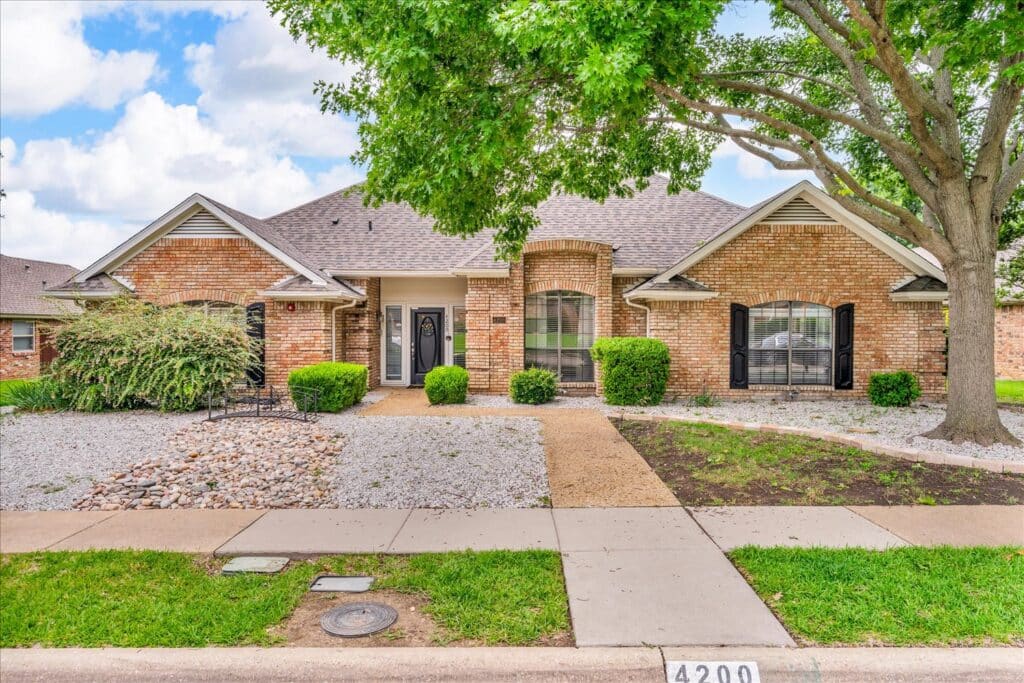
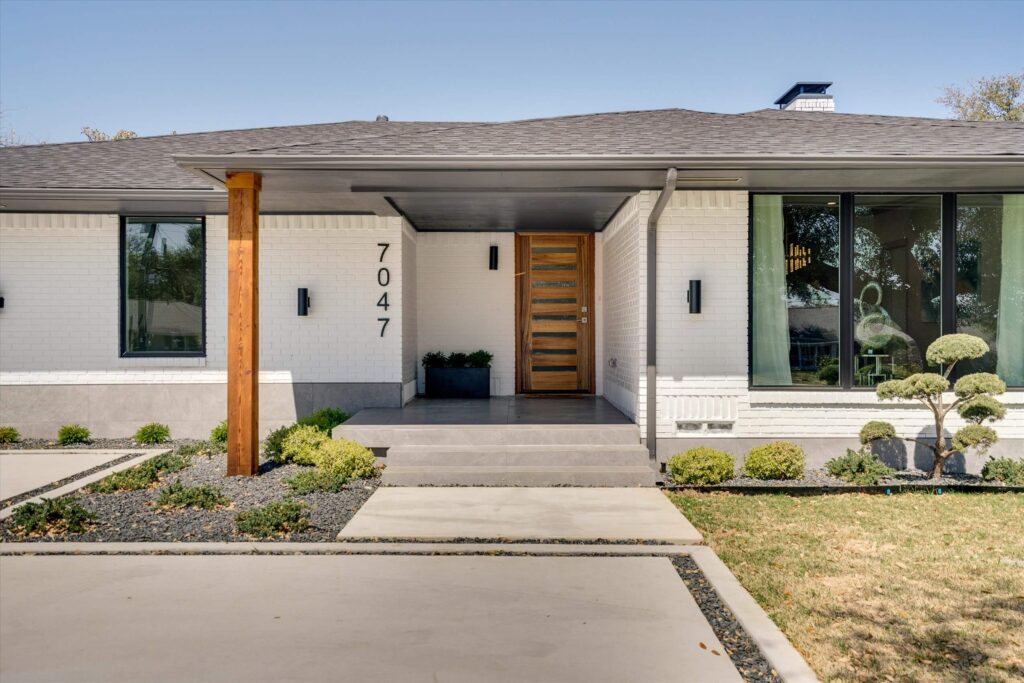
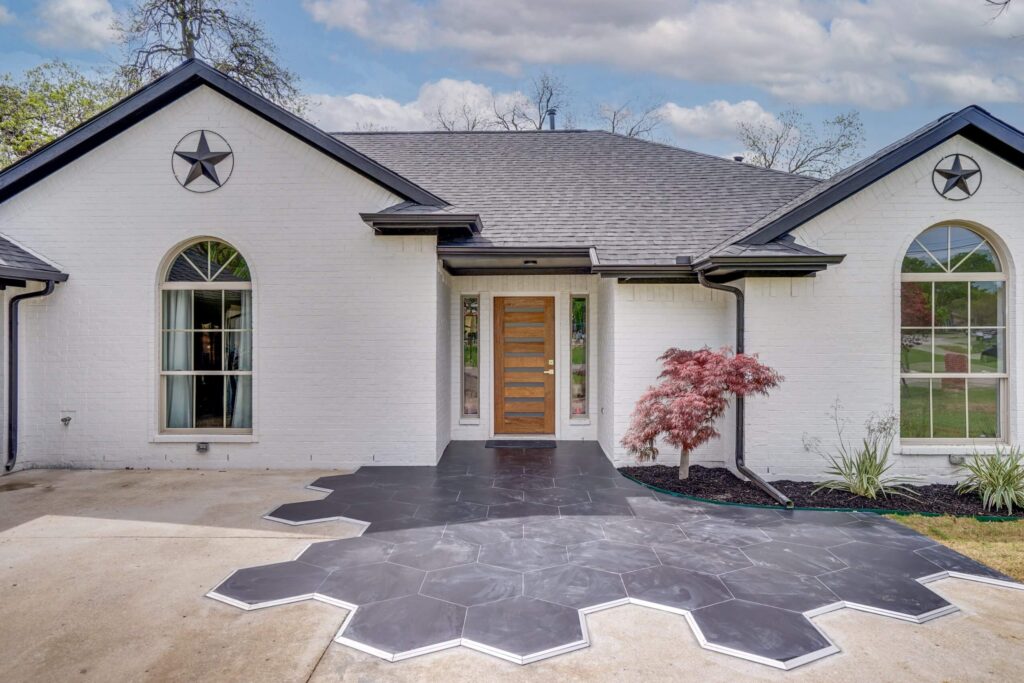
At Our Cottage, approved residential features include private and shared rooms, accessible bathrooms, home-like common areas, outdoor porches and secure garden areas, and private dining or living areas for special visits. Families who want to evaluate those features directly can review the community amenities before visiting.
Look Closely at Everyday Life
A community tour often emphasizes special features. Families should also ask what an ordinary Tuesday looks like.
Consider questions such as:
- What time are meals typically served?
- How flexible are daily routines?
- What happens if a resident prefers quiet activities?
- What kinds of wellness and life-enrichment programs are available?
- How are residents encouraged to participate without being pressured?
- Where do residents usually spend time during the day?
- How are family visits handled?
- What personal care and home services are available?
The answers help reveal whether the community’s rhythm matches the person’s existing preferences.
A packed activity calendar is not automatically more valuable than a quieter environment. The right option is the one where the person is more likely to feel comfortable participating in daily life.
Ask How Individual Needs Are Assessed
A strong assisted living comparison should include more than a list of available services.
Ask how the community determines what support a resident needs.
Useful questions include:
- What happens before move-in?
- How are daily living needs evaluated?
- How does the community decide what assistance will be provided?
- How are families involved in the process?
- How are changes in care needs identified?
- Are additional services available if needs increase?
- When might the community determine that another care setting is necessary?
These questions help families understand how a service list translates into actual day-to-day support.
Our Cottage offers daily living support, personal care, dining and nutrition services, home services, wellness and life enrichment, and on-site medical coordination. Families who want to organize their needs before comparing services can begin with the Care Assessment.
What Should You Look for During an Assisted Living Tour?
A tour is one of the best opportunities to move beyond marketing descriptions.
Do not feel pressured to evaluate everything at once. Focus on what you can observe and what you still need explained.
Notice the environment
Consider:
- Does the setting feel clean and well-maintained?
- Are walkways easy to navigate?
- Are shared spaces being used?
- Are rooms and bathrooms accessible for the person’s needs?
- Does the community feel comfortable rather than confusing or overwhelming?
Pay attention to daily interaction
You do not need to judge a community from one brief visit, but you can notice:
- How staff communicate with people around them
- Whether residents appear comfortable using common areas
- Whether questions are answered clearly
- Whether the tour feels personalized to your family’s concerns
- Whether you are encouraged to ask difficult questions
Ask about the person’s actual situation
Instead of asking only, “What services do you provide?” try giving a concrete example.
For instance:
“My mother currently needs help getting dressed in the morning and sometimes needs mobility assistance. How would that typically be handled here?”
Specific questions usually produce more useful answers than broad service descriptions.
Ask what is not included
Knowing a community’s limits is just as important as knowing its strengths.
Ask whether there are care needs, behaviors, mobility needs, or medical circumstances the community cannot accommodate. Understanding these boundaries before moving in can prevent surprises later.
Texas families can also review state information about licensed assisted living facilities as part of their research.

Compare Assisted Living Costs Apples to Apples
The lowest advertised monthly price is not necessarily the least expensive option overall.
Before comparing rates, identify exactly what each price includes.
Ask whether the quoted amount includes:
- Room and utilities
- Meals
- Personal care
- Housekeeping
- Laundry or home services
- Activities
- Additional daily living support
- Community fees
- Care-level charges
- Other recurring or one-time costs
Also ask what circumstances would cause the monthly amount to change.
Long-term care payment can be complex. Medicare generally does not cover long-term custodial care when that is the only care needed, so families should understand likely out-of-pocket costs and investigate any insurance or benefits that may apply to their circumstances. See Medicare’s long-term care coverage guidance for the general coverage rules.
Current approved base pricing at Our Cottage starts at $7,000 per month per bed for a Premium Private room.
Other current approved pricing includes:
- Premium Private (en-suite): $7,500 per month
- Executive Private (en-suite): $7,500 per month
- Premium Double (en-suite): $13,950 per month
- Enhanced Care Add-On: $1,250 per month
- One-Time Community Fee: $3,500
- Respite Care: $350 per day with a five-day minimum
Rather than comparing those figures in isolation, families can review floor plans and pricing or use the senior living cost comparison resource.
For broader financial-planning context, Cost of Assisted Living in Texas: Planning Care With Clarity looks more closely at the factors that can affect assisted living costs.
How to Narrow Your Assisted Living Options
After several calls or tours, communities can begin to blend together.
A simple way to narrow the list is to divide your observations into three categories.
Must-haves
These are requirements directly tied to care or safety.
Examples might include:
- Appropriate help with daily activities
- Accessible living spaces
- Required personal-care support
- A room arrangement that works for the resident
- Ability to support current mobility needs
If a community cannot meet a must-have, other advantages may not compensate for that gap.
Strong preferences
These factors may substantially affect comfort and quality of daily life but are not necessarily care requirements.
Examples include:
- Outdoor space
- Particular dining preferences
- Smaller or larger community setting
- Private room availability
- Certain types of activities
- Proximity to family
Nice-to-haves
These are appealing features that should not distract from more important care, cost, and fit considerations.
This method can make it easier to compare communities based on the person’s priorities rather than whichever tour made the strongest first impression.
Questions to Ask Before Choosing an Assisted Living Community
Before making a decision, make sure you can answer the questions that matter most.
Care and support
- What specific daily support can you provide?
- How are individual needs assessed?
- What happens if care needs increase?
- Which needs are outside the community’s capabilities?
Daily living
- What room arrangements are available?
- What does a typical day look like?
- How flexible are meals and routines?
- How are activities planned?
- What opportunities are available for outdoor time and family visits?
Costs
- What is included in the base monthly price?
- Which services cost extra?
- Are there one-time fees?
- How are increases in care needs priced?
- Under what circumstances could the total monthly cost change?
Family communication
- Who should the family contact with questions?
- How are changes in needs communicated?
- How can relatives stay involved?
Next steps
- Is an assessment required before move-in?
- What information should the family provide?
- What happens between choosing the community and moving in?
You do not need a perfect answer to every question. You do need enough clarity to understand what the community is promising and whether that matches what your family needs.
Avoid Comparing Communities on Amenities Alone
Amenities can influence comfort, but they should not replace care-fit evaluation.
A beautiful dining room does not answer whether the community can support the person’s mobility needs.
A long activity calendar does not show whether the resident will enjoy the programming.
A low starting price does not reveal what additional care may cost.
And a large list of services does not tell you how those services will apply to your loved one’s daily routine.
Use amenities as one piece of the decision—not the decision itself.
How Many Assisted Living Communities Should You Tour?
There is no required number.
Some families find a strong fit quickly. Others need to compare several communities before the differences become clear.
Instead of setting an arbitrary target, continue until you can confidently explain:
- Why the remaining options fit the person’s care needs
- How their environments differ
- What each will cost
- What services are included
- How each community handles changing needs
- Which setting seems most compatible with the person’s preferences
If you cannot clearly distinguish two communities after touring them, follow up with more specific questions rather than simply adding more facilities to the list.
Choose Based on Fit, Not the Longest Feature List
Comparing assisted living options becomes easier when every community is judged against the same question:
Can this setting support the person’s needs in a way that feels sustainable, comfortable, and financially understandable for the family?
Care should come first. Then evaluate the environment, everyday life, cost, and how clearly the community explains what happens as needs evolve.
Families considering Our Cottage can review Assisted Living services and community amenities before visiting.
When you are ready to compare the environment in person, schedule a visit or call 469-697-0565.
Frequently Asked Questions
What should I look for when choosing assisted living?
Start with whether the community can safely meet the person’s daily support needs. Then compare the living environment, room options, meals, everyday routines, activities, family involvement, costs, and how changing care needs are handled.
A tour should help confirm how the community operates in practice rather than simply repeating information from its website.
What questions should I ask during an assisted living tour?
Ask how needs are assessed, what daily support is available, how staff handle changing needs, what is included in the monthly price, what costs extra, what a typical day looks like, how families communicate with the community, and what circumstances may require a different level of care.
How do I compare assisted living costs?
Compare the total expected cost, not only the advertised starting prices. Ask what the base price includes, whether additional care is charged separately, what one-time fees apply, and what may cause the monthly amount to increase.
How do I know if an assisted living community is the right fit?
A strong fit should make sense across several dimensions: care needs, environment, daily routine, personal preferences, family involvement, and affordability.
If the larger question is whether assisted living itself is the appropriate care setting, review Assisted Living Seniors: Choosing the Right Care Setting before choosing a community.