









Dementia activities are most helpful when they are familiar, simple, and suited to the person’s current abilities. Music, art, household tasks, gentle movement, sensory experiences, and social time can encourage meaningful participation without placing pressure on the person to remember facts, follow complex instructions, or complete a task perfectly.
The best activity may change from one day to the next. A person who enjoys folding towels in the morning may prefer quiet music later in the day. By watching their comfort, energy, and response, you can adjust each experience and make daily engagement feel natural.
At Our Cottage, activities are part of a broader approach to comfort, connection, wellness, and daily support. Understanding how to choose and adapt activities can also help you decide what works at home and when structured memory care support may be useful.

Care assessment
Why Are Dementia Activities Important?
Dementia activities are ability-appropriate experiences that encourage comfort, participation, movement, connection, or mental engagement. Their purpose is not to test memory or measure performance. A successful activity helps the person feel involved without creating unnecessary pressure.
Daily engagement can bring structure to the day and give a person something familiar to anticipate. It may also create opportunities for conversation, self-expression, gentle movement, and social connection.
This need affects many families. The Alzheimer’s Association estimates that 7.4 million Americans age 65 and older are living with Alzheimer’s dementia.
An activity does not need to be complicated to be meaningful. Listening to a favorite song, watering a plant, looking through photographs, or helping set the table may offer more comfort than an unfamiliar project with several steps.
How Do You Choose the Right Activity for Someone With Dementia?
The right activity reflects who the person is, what they have enjoyed, and what they can comfortably do at that moment. A familiar task often feels more inviting than an activity chosen only because it is labeled as appropriate for dementia.
Start With the Person, Not the Diagnosis
Think about the person’s past interests, routines, work, hobbies, favorite music, and family traditions. Someone who enjoys cooking may respond well to stirring ingredients or discussing recipes. A person who spends time outdoors may enjoy watering plants, sitting on a porch, or walking through a secure garden.
Useful starting points include:
- Familiar hobbies and household routines
- Favorite music, foods, and photographs
- Comfortable movements and current abilities
- Activities connected to past roles or interests
- In quiet or social settings, they usually prefer
A diagnosis may explain certain changes, but it does not erase a person’s preferences or identity.
Match the Activity to the Moment
Energy, mood, noise, and time of day can affect participation. An activity that works well in the morning may feel tiring in the evening. A group activity may be enjoyable one day and overwhelming the next.
Watch for cues before you begin. If the person seems tired, restless, or distracted, choose something brief and calming. If they appear alert and interested, a hands-on or social activity may be a better fit.
Make Success Easy
Simple support can make an activity feel more manageable. Give one direction at a time, demonstrate the first step, and allow extra time for a response. You can also reduce the number of materials or choices.
The goal is participation, not a perfect result. If a craft looks different from expected or a household task is left unfinished, the shared experience still has value.
The National Institute on Aging recommends adapting activities around a person’s interests and abilities, with ideas such as familiar music, dancing, gardening, and caring for a pet.
Once you understand the person’s preferences and present needs, you can choose an activity based on the type of engagement that may feel most supportive.
Dementia Activities by Purpose and Engagement Need
Different activities can meet different needs. This table can help you choose an idea based on what the person may need in the moment.
| Engagement Need | Activity Ideas | Helpful Adaptation |
| Encourage calm | Familiar music, soft fabrics, nature sounds, and photographs | Reduce background noise and keep the activity brief |
| Support conversation | Family photos, familiar objects, recipes, favorite songs | Ask simple questions without testing memory |
| Encourage movement | Walking, stretching, gardening, and folding towels | Offer supervision and simplify each step |
| Support creativity | Coloring, painting, crafts, music-based art | Prepare materials and limit the number of choices |
| Provide purpose | Setting a table, sorting objects, watering plants | Choose a safe task with a clear beginning and end |
| Encourage social connection | Group music, shared meals, storytelling | Use a smaller group if a busy setting feels overwhelming |
| Support cognitive engagement | Matching cards, dominoes, sorting games, large-piece puzzles | Use familiar formats and stop before frustration develops |
The same activity may support more than one need. Gardening, for example, can encourage movement, sensory engagement, conversation, and a sense of purpose.
Creative and Sensory Activities for Comfort and Expression
Creative and sensory activities can support expression without requiring the person to find the right words. Art, music, texture, scent, and sound offer different ways to participate and connect.
Drawing, painting, coloring, and simple crafts can provide focus and a visible sense of progress. Preparing materials ahead of time makes the activity easier to begin. You might offer two colors instead of a full box or complete the first step together.
Music can be especially meaningful when it is familiar. Singing, clapping, gentle movement, or simply listening can create opportunities for connection. The Alzheimer’s Association explains that art and music can support self-expression and engagement as dementia progresses.
Sensory activities may include soft fabrics, textured objects, fresh herbs, nature sounds, or familiar household items. Introduce one sensory experience at a time and observe the response. A scent or sound that feels soothing to one person may be uncomfortable for another.
A calm setting also matters. Our Cottage’s comfort-focused amenities include home-like common areas, porches, secure garden areas, and private spaces for special visits.
Sensory and creative activities are useful, but meaningful engagement can also grow from ordinary tasks the person has completed for many years.
Everyday Activities That Encourage Purpose and Familiarity
A familiar household task may feel more natural than a planned exercise because the motion and purpose are already recognizable. Even if the person cannot complete every step, taking part can still create a sense of involvement.
Useful activities for dementia and activities for Alzheimer patients may include washing vegetables, stirring ingredients, folding towels, sorting familiar objects, setting the table, or watering plants. These tasks have a clear purpose and can be adjusted easily.
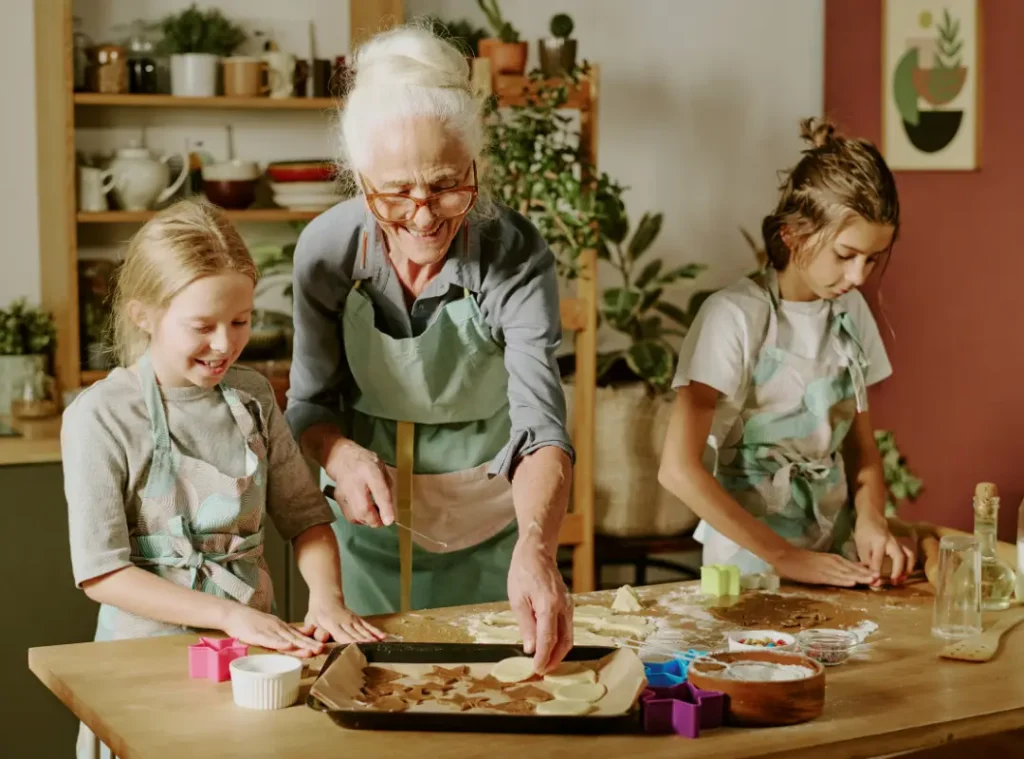
Food-related activities can also encourage familiar conversations. You might look through a recipe, discuss a favorite meal, decorate cookies, or smell fresh herbs. The person does not need to prepare a full dish to take part.
Safety should guide each choice. Prepare the area, remove unsafe tools, and offer the level of support the person needs. Participation may mean holding an item, completing one step, or sitting nearby while you work together.
Games for Seniors With Dementia
Games for seniors with dementia work best when the rules are familiar, the materials are easy to handle, and winning is not the main focus. The activity should support enjoyment and connection without feeling like a memory test.
Matching cards, dominoes, sorting games, large-piece puzzles, and games involving colors, shapes, or numbers can be adjusted to different abilities. You can reduce the number of pieces, offer visual prompts, or play alongside the person.
A familiar game may not unfold exactly as it once did. If the person changes the rules but remains interested, following their lead can keep the experience positive.
Stop or switch activities if the game causes visible frustration. A shorter, enjoyable session is more useful than finishing every round.
Social and Outdoor Activities That Support Connection
Social and outdoor activities can reduce isolation while giving the person a comfortable way to participate with others. Smaller groups, one-on-one visits, or quieter settings may be easier to enjoy than busy gatherings.
Shared gardening, group music, storytelling, light household tasks, and relaxed meals can support connection without demanding constant conversation. Some people enjoy being part of a group even when they participate mainly by watching or listening.
Outdoor time may include sitting on a porch, walking, watering plants, or spending time in a secure garden area. Fresh air and a change of setting can make a simple activity feel more engaging.
How Can Families Use Dementia Activities at Home?
Families can make dementia activities at home easier by preparing the setting, simplifying the task, and following the person’s response. You do not need to fill every hour with planned entertainment.
A practical approach is to:
- Choose one familiar activity.
- Prepare the materials before inviting the person to join.
- Give one step or choice at a time.
- Participate with the person instead of directing from a distance.
- End while the experience is still comfortable.
Consistency can create a reassuring rhythm, but flexibility matters just as much. A person may enjoy an activity regularly and then show no interest in it on a particular day.
Quiet companionship is also meaningful. Sitting outdoors, listening to music, sharing a snack, or holding a familiar object can offer comfort without requiring active participation.
Family members sometimes feel responsible for keeping a loved one occupied throughout the day. Rest, silence, and unstructured time also have a place in a supportive routine. The person’s response can help you decide whether to continue, adjust, or pause an activity.
How Can You Tell Whether an Activity Is Working?
An activity is working when the person appears comfortable, interested, or willing to remain involved. The response matters more than whether the task is completed correctly.
Positive signs may include smiling, talking, singing, relaxed posture, looking closely at the materials, or repeating an enjoyable movement. The person may also stay with the activity longer than expected or return to it later.
Signs that it may be time to pause or change the activity include:
- Turning away or repeatedly refusing
- Increased restlessness
- Visible frustration or tension
- Becoming unusually quiet or withdrawn
- Appearing tired or overstimulated
Stopping an activity is not a failure. The task, timing, setting, or level of support may simply need to change. You can try a shorter version later or choose something more familiar.
These day-to-day adjustments can be handled at home, but families may also reach a point where more consistent structure and support would be helpful.
What Is the Difference Between Activities at Home and Memory Care Activities?
Activities at home are often informal and led by family members, while memory care activities can be supported through organized routines, care plans, and life-enrichment services. Both settings can provide meaningful engagement.
| Activities at Home | Activities in Memory Care |
| Often led by family members | Supported through organized care and life-enrichment services |
| May follow informal household routines | Can be incorporated into a predictable daily structure |
| Depend on family availability and capacity | Can include regular support from a care team |
| Take place in the person’s existing home | Take place in spaces designed around comfort, accessibility, and daily support |
| May require families to adapt activities independently | Can be adjusted around individual needs and care plans |
Neither setting is automatically right for every person. The decision depends on the person’s care needs, safety, daily routine, and the family’s ability to provide consistent support.
If you are unsure what level of care may fit your loved one’s needs, the Our Cottage care assessment can help you consider the next step. You can also use the cost comparison tool when weighing continued support at home against senior living.
How Our Cottage Supports Meaningful Daily Engagement
Our Cottage supports daily engagement through Memory Care, Assisted Living, Respite Care, wellness and life enrichment, dining and nutrition, and help with daily living. Care and activities can be approached within a comfortable, home-like setting.
The community’s Plano locations include Ambrosia Lane, Aylesbury Lane, and Diane Drive. Available features include secure garden areas, outdoor porches, home-like common areas, accessible bathrooms, private dining and living spaces for special visits, and private or shared rooms.
These surroundings can support familiar routines, quiet visits, outdoor time, shared meals, and appropriate daily participation. Families can explore Our Cottage’s care services to learn more about Assisted Living, Memory Care, and Respite Care.
Find the Right Level of Support for Your Loved One
Meaningful dementia activities should reflect the person’s interests, present abilities, and comfort. Following their response can help you create positive moments at home and recognize when a more structured routine may be useful.
If providing consistent engagement and daily support is becoming difficult, you can schedule a visit to see how Our Cottage approaches daily life in a home-like setting. To ask questions before visiting, contact the team or call 469-697-0565 for a personal conversation about your family’s needs.