

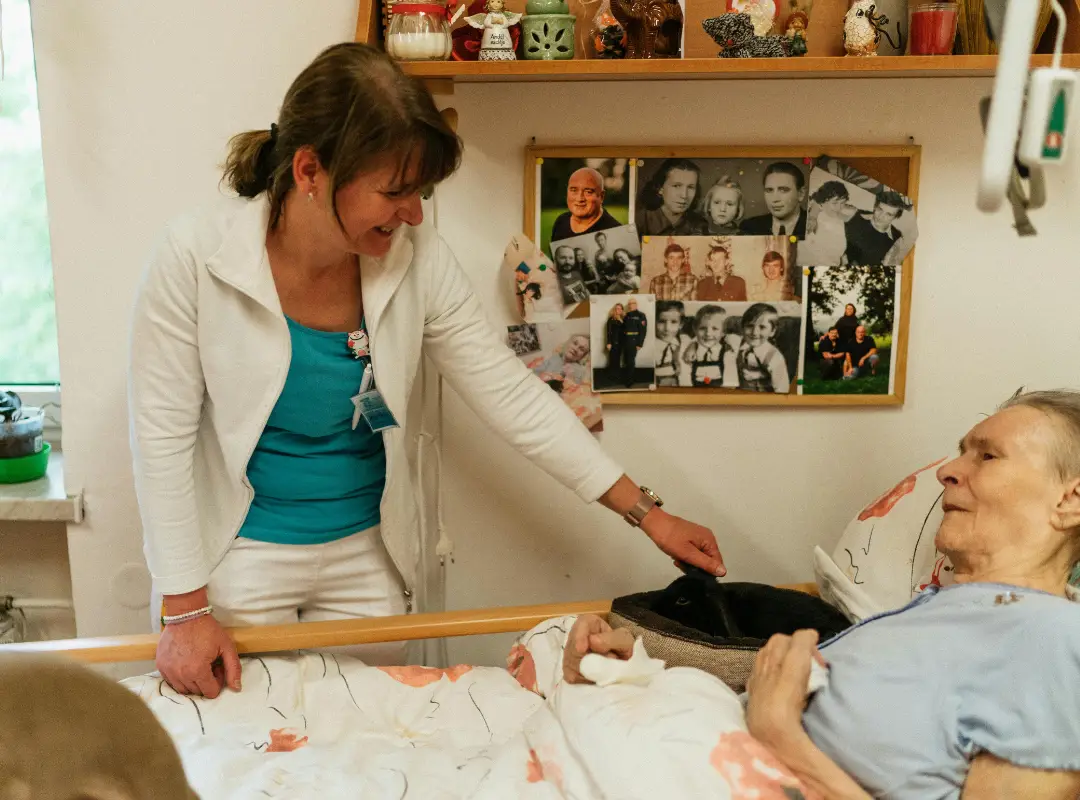
Finding the right memory care in Dallas, TX, can feel overwhelming, especially when you want your loved one to be safe, respected, and truly cared for. Families often worry about the quality of care, emotional well-being, and whether a community will feel like home.
At Our Cottage, memory care is designed around dignity, familiarity, and compassionate support. The goal is simple—help residents feel secure while giving families confidence and peace of mind.
If you’re beginning to explore memory care options, now is a good time to talk with a trusted advisor or schedule a tour to see what a supportive, residential environment can feel like in person.
Understanding Memory Care in Dallas, TX
Memory care is a specialized form of senior living designed for individuals living with Alzheimer’s disease or other forms of dementia. According to the National Institute on Aging, structured routines, familiar surroundings, and trained caregivers play a critical role in supporting cognitive health and emotional well-being.
A quality memory care facility near Dallas, TX, focuses on:
- Predictable daily routines that reduce anxiety
- Calm, residential environments that feel familiar
- Staff trained in dementia-specific care approaches
- Meaningful engagement that supports remaining abilities
These elements work together to create stability, comfort, and trust—especially important during the middle to later stages of memory loss.
What This Means for Seniors and Families
For seniors, memory care offers consistency and reassurance. For families, it means knowing your loved one is supported by caregivers who understand dementia and respond with patience and empathy.
Many adult children report feeling relieved once they see their parents settled into a calm routine where daily needs are anticipated, and emotional well-being is prioritized.
What to Look for in the Best Memory Care Facilities in Dallas
Choosing among the best memory care facilities in Dallas involves more than checking a list of features. Families should focus on how care is delivered and how residents are treated every day.
Key qualities to prioritize:
- Specialized staff training in dementia and Alzheimer’s care
- Individualized care plans that evolve with changing needs
- A residential, home-like setting rather than an institutional feel
- Clear communication with families about care and daily life
You may also want to explore how communities support transitions. This guide on when it may be time for memory care can help families recognize early signs and plan ahead.
Why Specialized Dementia Care Matters
Dementia affects each person differently. The Mayo Clinic explains that personalized support and structured environments can reduce agitation and improve quality of life.
Specialized memory care provides:
- Care routines built around individual abilities
- Emotional reassurance through familiar faces and spaces
- Engagement is designed to support cognition and identity
- Reduced stress for residents and families alike
This level of care goes beyond basic supervision—it focuses on preserving dignity and emotional security.
Features That Enhance the Memory Care Experience
Thoughtful design and daily structure can make a meaningful difference in how residents feel and function.
Individualized Care Plans
Every resident benefits from a care plan shaped by their history, preferences, and abilities. Personalized plans allow caregivers to adapt support over time while respecting independence whenever possible.
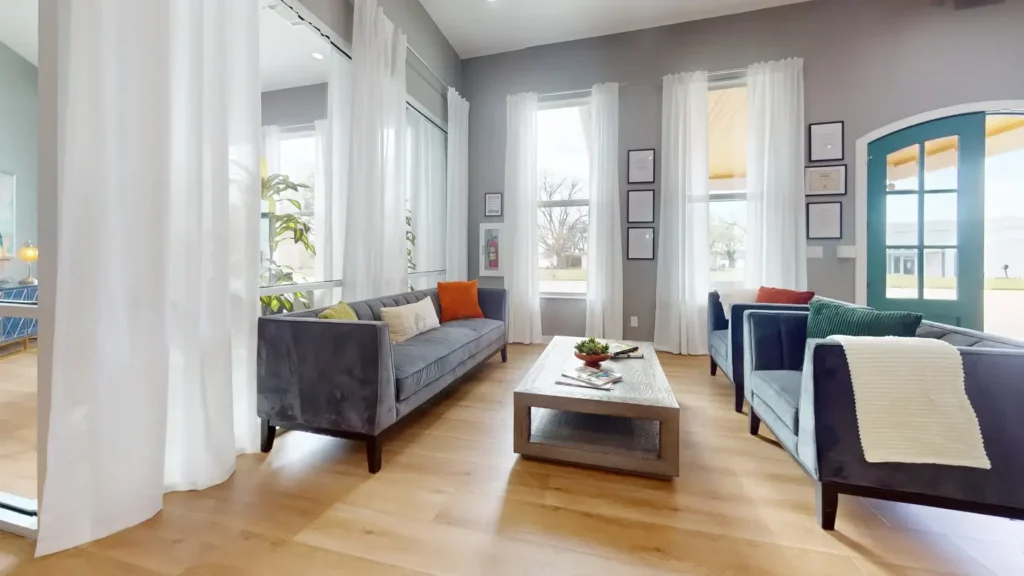
At Our Cottage, residents are cared for in a warm, residential setting that supports comfort, safety, and familiarity—key elements for individuals living with memory loss.
A Secure, Comfortable Environment
Safety is essential, but so is emotional comfort. Secure layouts help prevent wandering while still allowing residents to move freely within calm, familiar surroundings.
A comfortable environment can:
- Reduce confusion and anxiety
- Encourage social connection
- Support daily routines that feel natural

A Human Moment: What Families Often Experience
One Dallas family shared that after weeks of uncertainty, their loved one began sleeping better and engaging more once placed in a structured memory care setting. The predictable routine and consistent caregivers helped restore a sense of calm—for both the resident and the family.
Moments like these remind families that the right care environment can truly change daily life.
Helpful Resources When Transitioning to Memory Care
Transitions can be emotional. Families benefit from education, support, and professional guidance.
You may find these resources helpful:
- CDC – Alzheimer’s and Dementia
- NIH – Dementia Caregiving
- Our Cottage’s guide on dementia care planning
Connecting with support groups and touring communities can also ease uncertainty and build confidence.
Local Perspective: Memory Care in the Dallas Area
Dallas families often appreciate memory care communities that reflect a neighborhood feel rather than a large campus. Residential-style settings align well with the region’s community-oriented culture and help residents feel more at ease.
Seasonal routines—like gentle indoor activities during summer heat or cozy winter gatherings—also help residents stay comfortable year-round.
Choosing Memory Care With Confidence
Choosing memory care in Dallas, TX, is a deeply personal decision. The right environment offers more than supervision—it provides understanding, structure, and compassion.
At Our Cottage, memory care is centered on treating residents like family and supporting them through every stage of memory loss with dignity and respect.
Gentle Next Steps
If you’re exploring options or simply need guidance:
- Schedule a tour to experience the environment firsthand
- Speak with a memory care advisor who can answer your questions
- Learn at your own pace—there’s no pressure, only support
You can also reach out directly at 469-697-0565 or visit the Contact Us page to start a conversation when you’re ready.
Custom HTML/CSS/JAVASCRIPT
Frequently Asked Questions
How much does memory care cost in Dallas?
Memory care costs in Dallas typically range from about $4,500 to $7,000 per month, depending on the community, level of care, and amenities offered. Pricing is generally higher than assisted living because memory care includes specialized staffing, secure environments, and cognitive support programs. Costs may also vary based on room type, such as private or shared accommodations. Some communities offer all-inclusive pricing, while others charge based on care needs. Financial assistance options may help eligible families offset expenses.
What is the difference between memory care and dementia care?
Memory care is a specific type of senior living designed for individuals with Alzheimer’s disease and other forms of dementia. Dementia care is a broader term that refers to the services and support provided to someone living with dementia, which can occur at home, in assisted living, or in a memory care community. Memory care offers structured routines, secured spaces, and staff trained in cognitive support. Dementia care may vary widely depending on the setting and caregiver expertise. In short, memory care is a specialized environment within the broader scope of dementia care.
Does Medicare pay for memory care in Texas?
Medicare does not typically cover the cost of memory care housing or long-term supervision in Texas. However, Medicare may help pay for certain medical services, such as doctor visits, hospital stays, or short-term skilled nursing care. Prescription drugs related to dementia treatment may also be partially covered under Medicare Part D. For long-term memory care costs, families often rely on private pay, long-term care insurance, or Medicaid programs if eligible. It’s important to review all available benefits to understand coverage limits.
How long do people usually stay in memory care?
The average length of stay in memory care is often between two and three years, though this can vary widely. Some residents move in during the early stages of dementia and may stay longer, while others enter memory care later and have shorter stays. Health progression, age at move-in, and overall medical conditions all influence length of stay. Memory care is designed to adapt as needs change, allowing many residents to remain in the same community over time. Each individual’s journey is unique, so timelines can differ significantly.