Mobility For The Elderly: Tips for Safe Daily Movement
Mobility for the Elderly: Tips to Ensure Safe Daily Movement
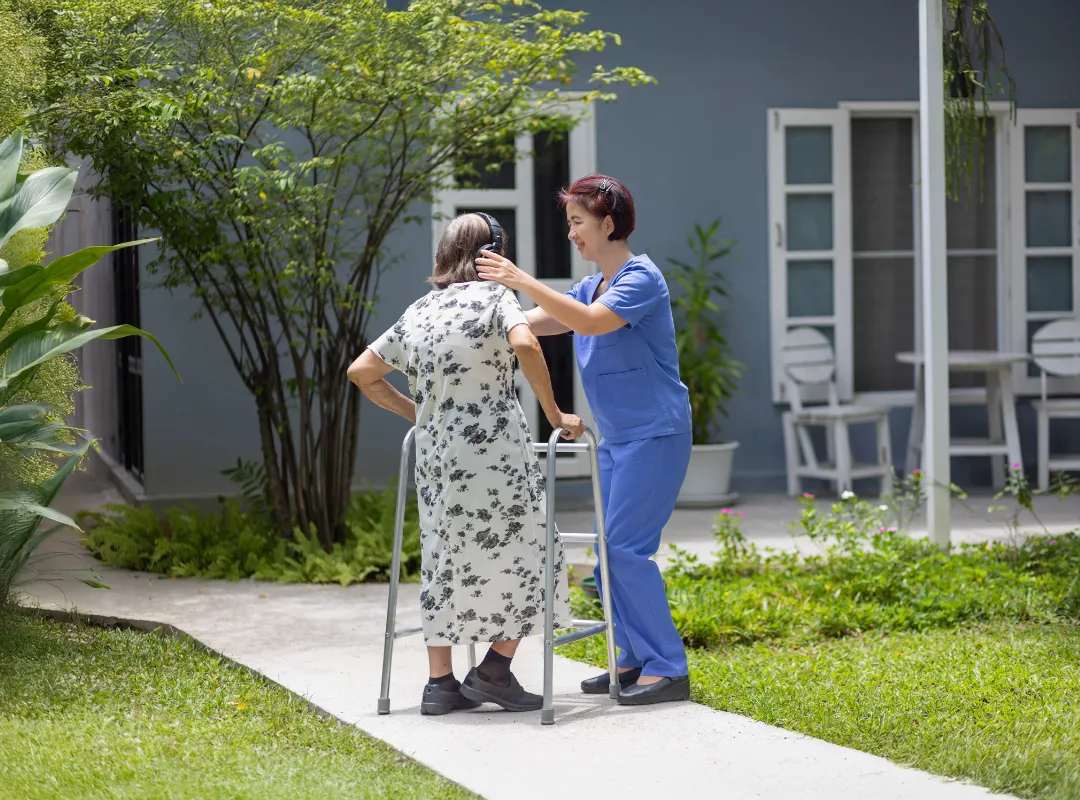
Getting older does not mean giving up freedom. At Our Cottage, we believe mobility for elderly adults is the foundation of independence, confidence, and quality of life. When seniors can move safely, they can enjoy daily routines, social connections, and the comfort of feeling capable.
Many families worry when they notice mobility issues in elderly loved ones. The good news is that with the proper support, environment, and care approach, seniors can stay active longer and reduce the risks associated with movement challenges.
Understanding Mobility Challenges in Aging
Aging naturally brings changes to the body, and mobility for elderly adults can be affected by muscle weakness, joint stiffness, balance problems, and neurological conditions. Over time, these factors may lead to mobility issues in elderly individuals, making standing, walking, or transitioning between positions more difficult.
One common concern families notice is a sudden loss of mobility in elderly loved ones. This can happen due to illness, injury, medication changes, or reduced activity levels. Another major challenge is diminished mobility in the legs among elderly adults, which often affects balance and increases fall risk.
According to research from the National Institute on Aging, movement challenges become more common as people age, underscoring the importance of proactive care. Understanding the percentage of the elderly with mobility issues helps families realize they are not alone and that support options exist.
Creating a supportive care environment, such as the one offered through specialized dementia care, can make a meaningful difference in maintaining movement and dignity.
The Importance of Physical Activity
Staying active plays a decisive role in mobility for elderly individuals. Physical activity strengthens muscles, improves coordination, and supports balance. When seniors remain active, they reduce the chances of falls and slow the progression of mobility issues in elderly adults.
Participating in programs that encourage movement also improves mental well-being. Structured activities offered through meaningful programming allow seniors to stay engaged while safely maintaining their mobility.
Benefits of Regular Exercise
Exercise supports joint flexibility and muscle strength, both of which are essential for mobility in elderly adults. Gentle movements help prevent stiffness and reduce the risk of leg mobility loss in elderly individuals.
Group exercise settings also encourage social interaction, which boosts motivation. Seniors who feel supported are more likely to remain consistent with their activities, reducing the risk of sudden mobility loss in elderly loved ones.
According to the Centers for Disease Control and Prevention, even moderate activity can significantly reduce fall risk and improve independence.
Strengthening Bones and Muscles
Strong muscles protect joints and stabilize movement, which is critical for mobility in elderly adults. Simple strength-building exercises improve posture and help prevent falls caused by weak leg muscles.
For seniors experiencing leg mobility loss in the later stages, low-impact movements such as chair exercises or assisted walking can rebuild confidence and strength. Support services like assisted care provide daily help while encouraging safe independence.
Enhancing Balance and Coordination
Balance exercises are essential for reducing fall risk and improving mobility for elderly adults. Activities such as gentle yoga, tai chi, or guided walking programs strengthen coordination.
Improved balance directly addresses mobility issues in elderly individuals and helps reduce fear associated with movement. Personalized attention, such as that provided through Alzheimer’s care, ensures residents receive care plans tailored to their unique mobility needs.
Home Safety Measures to Prevent Falls
A safe living environment is a significant factor in protecting mobility for elderly individuals. Removing tripping hazards, improving lighting, and installing safety supports help seniors move with confidence.
Falls often accelerate the sudden loss of mobility in elderly adults, underscoring the need for prevention. Simple adjustments like secure flooring, bathroom grab bars, and clear walking paths reduce the risk of injury and support ongoing movement.
The World Health Organization highlights environmental safety as one of the most effective fall-prevention strategies for older adults.
Professional Support and Resources
Professional care plays a crucial role in managing mobility issues in elderly adults. With expert guidance, seniors can safely improve strength, coordination, and confidence.
Home Safety Assessments
Professional safety assessments identify hazards that contribute to leg mobility loss in elderly adults. These evaluations provide personalized recommendations that promote safer daily movement and reduce fall risks.
When seniors feel secure at home, they are more likely to stay active, improving overall mobility for elderly outcomes and preserving independence.
Professional Therapy Services
Therapy services are highly effective in addressing mobility issues in elderly individuals. Physical and occupational therapists create personalized plans that focus on restoring strength and preventing further decline.
These services are especially valuable when families notice a sudden loss of mobility in elderly loved ones. Therapy builds confidence and reduces fear associated with movement, supporting long-term independence.

Effective Exercises for Strength and Balance
Regular exercise supports mobility for elderly adults by improving muscle control and coordination. Simple daily movements help maintain flexibility and reduce stiffness.
Exercises that focus on leg strength are invaluable for seniors experiencing leg mobility loss in the elderly stages. Balance-focused routines improve stability and decrease fall risk, making everyday activities safer and easier.
Before starting any new routine, consulting a healthcare provider ensures exercises align with individual needs and abilities.
Strategies to Reduce Sedentary Behavior
Extended sitting increases the risk of mobility issues in elderly adults. Encouraging slight movement breaks throughout the day supports circulation, joint health, and muscle strength.
Reducing sedentary behavior lowers the risk of sudden mobility loss in elderly individuals and helps maintain long-term independence. Simple habits like standing during phone calls or taking short walks after meals can make a noticeable difference.
Call Today to Protect Mobility and Independence
At Our Cottage, we know that mobility for elderly adults is more than movement. It is freedom, dignity, and confidence. Our compassionate team is dedicated to supporting seniors through personalized care, safe environments, and expert guidance that addresses mobility issues before they become overwhelming.
If you are concerned about loss of mobility in legs in elderly loved ones or noticing a sudden loss of mobility in elderly family members, now is the time to act. Let us help your loved one stay safe, active, and confident every day.
Call 469-697-0565 or visit our Contact Us page to speak with our caring team today.
Frequently Asked Questions
How to help the elderly with mobility?
Helping elderly mobility starts with encouraging regular, low-impact physical activity such as walking, stretching, or chair exercises to maintain strength and flexibility. Using mobility aids like walkers, canes, or grab bars can improve safety and confidence. Proper footwear, balanced nutrition, and hydration also play essential roles in supporting movement. In many cases, physical therapy can help seniors improve balance, coordination, and overall mobility. Creating a clutter-free and well-lit living environment further reduces the risk of falls.
Can an elderly person regain mobility?
Yes, many elderly individuals can regain some mobility with proper support and consistent effort. Physical therapy and guided exercise programs help rebuild strength, improve balance, and increase range of motion. Addressing underlying health conditions such as arthritis, muscle weakness, or neurological issues is essential for progress. Recovery may be gradual, but even minor improvements can significantly enhance independence and quality of life. Staying motivated and following a personalized care plan are key factors in regaining mobility.
What are the 7 physical needs of the elderly?
The seven physical needs of the elderly typically include proper nutrition, regular physical activity, adequate sleep, personal hygiene, medical care, mobility support, and safety. Balanced meals help maintain energy, muscle strength, and overall health. Physical activity and mobility support reduce stiffness and prevent functional decline. Consistent medical care ensures early detection and management of health issues. A safe environment helps prevent injuries and supports independent living.
What causes mobility issues in the elderly?
Mobility issues in the elderly are often caused by age-related muscle loss, joint stiffness, and reduced bone density. Chronic conditions such as arthritis, osteoporosis, stroke, and Parkinson’s disease can also limit movement. Poor balance, vision problems, and neurological changes increase the risk of falls and mobility challenges. Inactivity and prolonged bed rest can further weaken muscles and reduce endurance. Medications and unmanaged pain may also contribute to difficulties with movement.
