





Choosing between memory care homes is easier when you know what to compare beyond photos, room sizes, and a list of amenities. The more useful questions are about everyday life: how support is provided, how changing needs are handled, how families stay informed, what the environment feels like, and what is included in the cost.
Memory care settings can vary in size, layout, services, and approach. Rather than relying on the name of a residence alone, compare how each option would work for the person you know—their routines, preferences, support needs, comfort, and ability to move through the day.
If you are still determining whether this level of care is appropriate, start with what memory care assisted living means and when families may consider it. If you are already evaluating residences, the questions below can help you make a more useful comparison.

Care assessment
What Should You Look for in a Memory Care Home?
A memory care home should be evaluated as a complete living and support environment, not as a collection of individual features.
Start by looking at several areas together:
- Daily living and personal support
- Memory-related safety and navigation
- Routine and meaningful engagement
- Family communication
- Room and living-space options
- Dining and nutrition
- Coordination when needs change
- Pricing and additional charges
The National Institute on Aging’s guidance on finding long-term care recommends considering the person’s needs, visiting potential settings, and asking questions about how care is delivered.
The goal is not to find a residence that checks the most boxes. It is to determine whether the combination of support, environment, communication, and cost fits the person who may live there.
| What to Compare | What to Ask | Why It Matters |
| Daily support | What help is available throughout the day? | Shows whether support matches current needs |
| Environment | How are indoor and outdoor spaces used safely? | Helps you evaluate comfort, navigation, and appropriate independence |
| Changing needs | What happens if the resident needs more support later? | Clarifies how the residence handles changes over time |
| Family communication | When and how are updates shared? | Helps families understand how they can remain informed and involved |
| Pricing | What is included, and what costs extra? | Makes comparisons between residences more meaningful |
Look Beyond the “Memory Care” Label
During a search, you may see terms such as memory care home, memory care community, memory care center, or memory care unit.
Those labels do not tell you enough by themselves to determine what daily care will look like. Providers may use terminology differently, and two residences using the same term can still differ in their environment, services, room arrangements, routines, and level of support.
Instead of trying to choose based on the label, ask what the residence actually does.
For example:
- What personal-care support is available?
- How are individual routines learned?
- What happens when someone becomes confused or distressed?
- How is outdoor access managed?
- How are families notified when needs change?
- Which services are part of the regular rate?
- What circumstances may result in additional charges?
Specific answers are more useful than broad descriptions such as “supportive,” “secure,” or “home-like.”
What Should You Observe During a Memory Care Visit?
A tour is an opportunity to compare what you have read online with what you can actually observe.
Try not to spend the entire visit looking only at the bedroom or finishes. Notice how the residence functions as a whole and ask what an ordinary day looks like.
How Residents and Team Members Interact
Notice how people speak with residents and how much time seems available for conversation and assistance.
You can ask how the team learns a new resident’s preferences, routines, dining habits, and personal-care needs. If your family member has particular habits that matter to their comfort, ask how those would fit into the daily routine.
The answer should help you understand what support looks like in practice rather than simply confirming that assistance is available.
Whether the Environment Is Easy to Navigate
Look at the path between the resident rooms and the places a person would use throughout the day.
Consider:
- Bathrooms
- Dining areas
- Common spaces
- Outdoor access
- Seating areas
- Private visiting spaces
- Lighting and visibility
- General layout
A setting can be attractive and still feel difficult to navigate. Think about how the environment would work for your family member rather than judging it only by appearance.
How Daily Routines Are Supported
Ask what happens from morning through evening.
Useful questions include:
- How flexible are wake-up and meal routines?
- What help is available with dressing, bathing, or grooming?
- How are meals and nutrition supported?
- What types of wellness or life-enrichment activities are available?
- What happens if a resident prefers not to join an activity?
- How are changes in participation, eating, mobility, or personal care handled?
This gives you a clearer view of daily life than a calendar of activities alone.
How Families Stay Connected
Family communication often becomes more important after a move.
Ask:
- Who is the main point of contact for the family?
- How are routine updates provided?
- What kinds of changes prompt a call or conversation?
- How are visits supported?
- Is there space for more private family time?
- How is outside medical coordination handled when needed?
A family should understand how information moves between the residence, the resident, relatives, and outside providers.

Questions to Ask a Memory Care Community
You do not need dozens of questions to make a useful comparison. A smaller set tied to the person’s actual needs is often more informative.
Consider asking:
- What would a normal day look like for this person?
- How do you determine how much daily support a resident needs?
- How do you learn a resident’s routines and preferences?
- What happens when a resident becomes confused or distressed?
- How are changes in care needs handled?
- How and when are family members updated?
- What services are included in the regular rate?
- Which services involve an additional charge?
- What room arrangements are available?
- How are outdoor time and family visits supported?
The National Institute on Aging also recommends observing the environment and asking how staff care for residents when evaluating long-term care. Its guide to choosing a long-term care facility provides additional questions families can adapt to their situation.
How Should You Compare Care, Rooms, Services, and Costs?
Price matters, but a monthly number is difficult to interpret without understanding what it includes.
When comparing memory care homes, ask for enough detail to compare the total arrangement rather than only the starting rate.
Consider:
Room arrangement: Is the room private or shared? Does it include a private bathroom?
Daily support: Which forms of assistance are part of the base price?
Additional care: Can added support change the monthly cost?
Dining and household services: What is included?
Community fees: Are there one-time fees or other charges?
Respite options: Is a short-term stay available if your family wants a temporary arrangement?
For a deeper financial comparison, see memory care facility costs and the factors that can affect pricing.
A lower starting price is not automatically a better value, and a higher price does not by itself mean a residence is the better fit. Compare what the person needs with what each option actually includes.
How Do You Decide Which Memory Care Home Is the Right Fit?
After touring several options, families can end up with a stack of brochures and many similar-sounding claims.
A better comparison comes from returning to the person.
Ask:
- Does the support available match what they need now?
- Would the environment be manageable and comfortable?
- Can important routines and preferences be accommodated?
- Does the communication process work for your family?
- Are the room and visiting arrangements suitable?
- Do you understand the pricing?
- What happens if care needs change?
It can help to make notes immediately after each visit while details are still fresh.
Do not evaluate a residence only by its strongest feature. A beautiful garden, large room, or busy activity calendar may be appealing, but the complete fit depends on how the setting supports everyday life.
If location is an important part of the decision, families considering the wider area can also review what to compare among memory care facilities in Dallas.
Memory Care Options in Plano
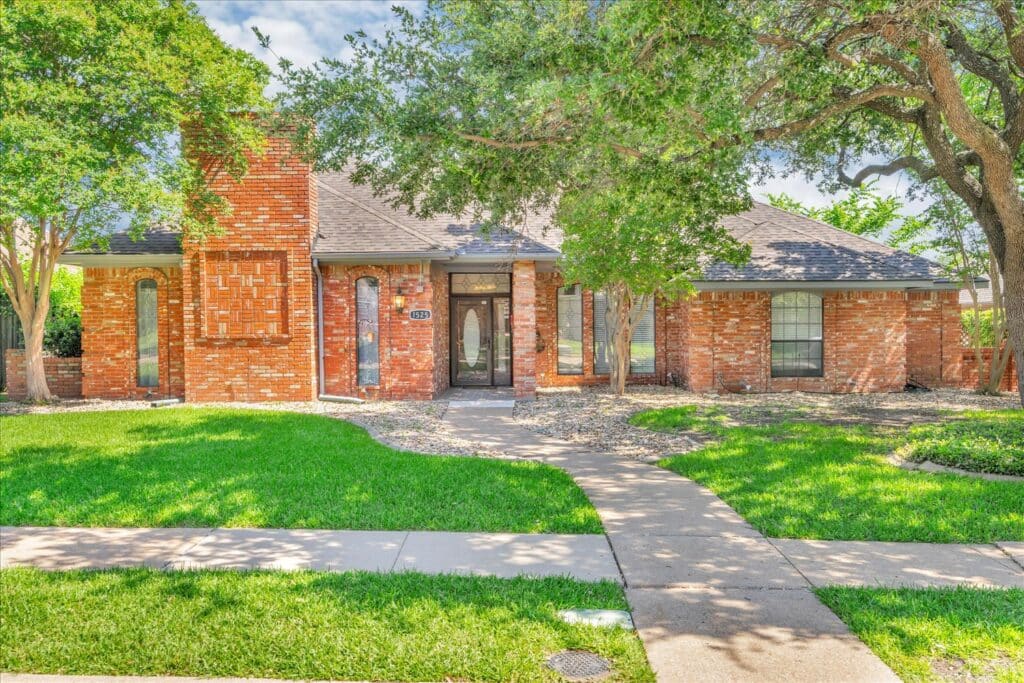
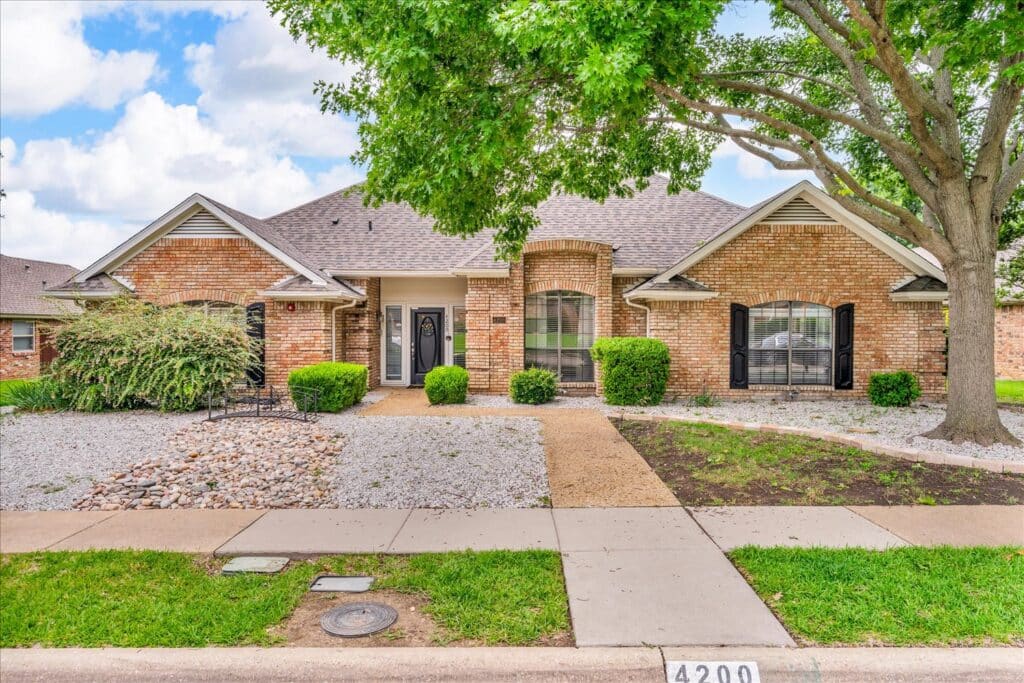
Our Cottage has three Plano locations included in the approved project information:
- Ambrosia Lane: 4200 Ambrosia Ln, Plano, TX 75093
- Aylesbury Lane: 1525 Aylesbury Ln, Plano, TX 75075
- Diane Dr: 2101 Diane Dr, Plano, TX 75074
Available care includes Assisted Living, Memory Care, and Respite Care.
Relevant support and amenities include daily living support, on-site medical coordination, dining and nutrition, home services and personal care, wellness and life enrichment, accessible bathrooms, home-like common areas, porches and secure garden areas, private spaces for special family visits, and private and shared rooms.
You can review care services and community amenities before deciding what you want to examine more closely during a visit.
Schedule a Tour
What Should You Do After a Memory Care Tour?
You do not need to make the decision while you are still standing inside the residence.
After the visit, compare what you learned with the questions that mattered before the tour.
Write down:
- What felt like a strong fit
- What remained unclear
- Differences in daily support
- Room and environmental differences
- Questions about changing needs
- Pricing details that need clarification
- How comfortable you felt with the communication process
If you are still uncertain about the appropriate level of care, the Care Assessment can help you organize the practical support needs you are considering.
If you have narrowed your options and want to evaluate the Plano residences in person, you can schedule a visit.
Choosing among memory care homes is not about finding a setting that sounds perfect on paper. It is about finding an option where the support, environment, routine, communication, and practical details make sense for the person who will live there and the family who will remain part of their life.