



Memory care facility costs can vary considerably because the monthly total depends on more than the room itself. Room type, daily support needs, included services, additional care, location, and one-time fees can all affect what a family ultimately pays.
That makes the advertised starting price only one part of the comparison. A more useful question is: What will the expected total cost be for the room and support this person actually needs?
Understanding what goes into memory care pricing can help families compare options more accurately, anticipate possible added expenses, and determine which questions to ask before making a financial commitment.

Care assessment
What Determines Memory Care Facility Costs?
Memory care communities do not all price their services the same way.
Several factors can affect the monthly amount.
Room Type
Private and shared rooms can have different rates. A private bathroom or different room configuration may also affect pricing.
When comparing communities, make sure you are comparing similar room arrangements rather than simply looking at each provider’s lowest advertised price.
Level of Daily Support
Two residents in similar rooms may have different support needs.
A person who needs more assistance with daily living may have additional care charges depending on the community’s pricing model. Families should ask how support needs are evaluated and whether changes in care can change the monthly rate.
Included Services
A base price may include some services, while others are billed separately.
Ask specifically about:
- Personal care
- Meals and nutrition
- Housekeeping or home services
- Wellness and activities
- Medical coordination
- Utilities
- Additional care
- Other recurring charges
A higher base price is not automatically more expensive overall if it includes services that another community charges for separately.
One-Time Fees
Some communities charge a one-time community or move-in fee in addition to the monthly rate.
Include those costs when estimating the first year rather than comparing monthly prices alone.
Short-Term vs. Long-Term Care
Respite care is often priced differently from ongoing residential care.
Families considering a temporary stay should ask about the daily rate, minimum stay, and any separate respite fee.
Memory Care Pricing in Plano
Current pricing for the three Plano residences covered by this article includes the following room and service options:
| Room Type or Service | Current Price |
| Premium Private | $7,000 per month |
| Premium Private with en-suite | $7,500 per month |
| Executive Private with en-suite | $7,500 per month |
| Premium Double with en-suite | $13,950 per month |
| Enhanced Care Add-On | $1,250 per month |
| Respite Care | $350 per day, five-day minimum |
| One-Time Community Fee | $3,500 |
| Respite Community Fee | $350 |
Room configurations, support needs, and availability can affect which option applies. Families should confirm the current arrangement and total expected charges before making a decision.
For current room information, visit room options and pricing.
What May Be Included in the Monthly Memory Care Cost?
A meaningful price comparison requires understanding what the monthly rate actually covers.
At the Plano residences discussed here, available support includes:
- Daily living support
- On-site medical coordination
- Dining and nutrition
- Home services and personal care
- Wellness and life enrichment
- Utilities
The residences also include comfort-focused design, home-like common areas, accessible bathrooms, porches and secure garden areas, private spaces for special family visits, and private and shared rooms.
Not every feature or level of care necessarily has the same pricing treatment. Before comparing a quoted amount with another community, ask which services are included in the rate and which could involve an additional charge.
Families can review the broader available care services and community amenities for more context.
What Can Increase the Monthly Cost?
A starting rate may not remain the final monthly cost if the resident needs additional support or chooses a different room arrangement.
Potential cost differences can include:
Enhanced Care
An Enhanced Care Add-On is $1,250 per month under the current pricing provided for these communities.
Families should ask what circumstances make enhanced care applicable and how any change in support needs would be discussed.
Room Selection
Room configuration can materially affect cost.
For example, current listed prices range from $7,000 per month for a Premium Private room to $13,950 per month for a Premium Double with en-suite.
Do not assume that the least expensive room will be available or appropriate for every resident.
Changing Support Needs
A person’s needs can change after moving.
Before choosing a community, ask what happens financially if daily support needs increase. The answer may affect long-term affordability just as much as the initial rate.
Families who want to understand the care side of that question can review how changing daily-living and memory needs can affect the care arrangement.
One-Time Charges
A one-time fee can make the first month or first year more expensive than the recurring monthly rate suggests.
For these communities, the current one-time community fee is $3,500, while the respite community fee is $350.
How Should Families Compare Two Memory Care Quotes?
Two communities can advertise similar starting prices while producing very different total costs.
A simple comparison should account for more than the headline monthly number.
| What to Compare | Questions to Ask |
| Base monthly rate | What room and level of support does this price represent? |
| Room arrangement | Is the room private or shared? Is an en-suite bathroom included? |
| Daily support | Which forms of personal care are included? |
| Additional care | What could create an added monthly charge? |
| Meals and household services | What is part of the regular rate? |
| One-time fees | Is there a community, move-in, or other initial fee? |
| Changing needs | Could a change in support affect the monthly total? |
| Respite care | What are the daily rate, minimum stay, and separate fees? |
This kind of side-by-side review helps families compare the expected cost for comparable care, rather than choosing based on two starting prices that may represent different arrangements.
The senior living cost comparison can also help families organize the financial differences among care options.

Does Medicare Pay for Memory Care?
Families should generally plan as though Medicare will not pay for the residential, custodial portion of long-term memory care.
According to Medicare’s long-term care coverage guidance, Medicare generally does not pay for long-term custodial care when the primary need is assistance with everyday activities such as bathing or dressing. Medicare distinguishes this type of long-term support from qualifying skilled medical care.
Living in memory care does not necessarily mean that all medical services become private-pay. Qualifying healthcare services may still be covered separately depending on the service and the person’s coverage.
Families should verify the specific services involved rather than assuming either that Medicare will pay the residential rate or that no medical care remains covered.
Can Medicaid or Long-Term Care Insurance Help?
Medicaid can fund long-term services and supports for people who meet applicable eligibility requirements, but benefits and available programs depend on individual eligibility and state rules. Medicaid long-term services and supports information provides the federal overview.
That does not mean Medicaid automatically pays a particular memory care community’s monthly residential rate.
Families considering Medicaid should verify Texas eligibility, the services that may be covered, and whether a particular care arrangement participates in an applicable program.
Private long-term care insurance may also help with some long-term-care expenses, depending on the policy. Families should review the policy’s benefit triggers, covered settings, daily or monthly limits, elimination periods, and exclusions.
Guidance for comparing long-term care costs and coverage similarly recommends asking what services are included and checking whether Medicare, Medicaid, or long-term care insurance may pay any portion of the cost.
How Can You Estimate Your Family’s Likely Memory Care Cost?
You do not need a complicated formula to make an initial estimate.
Start with:
**Monthly room rate
- applicable care add-ons
- confirmed recurring charges**
Then calculate one-time expenses separately:
**One-time community fee
- any other confirmed initial charges**
For example, a Premium Private room currently starts at $7,000 per month. If the Enhanced Care Add-On applies, the combined monthly amount for those two approved charges would be $8,250, before any other confirmed charges.
That example is not a personalized quote. The actual total depends on the room, support arrangement, availability, and any applicable services or fees.
The important step is to ask for the expected total, not simply the base rate.
Memory Care Costs Across Three Plano Locations
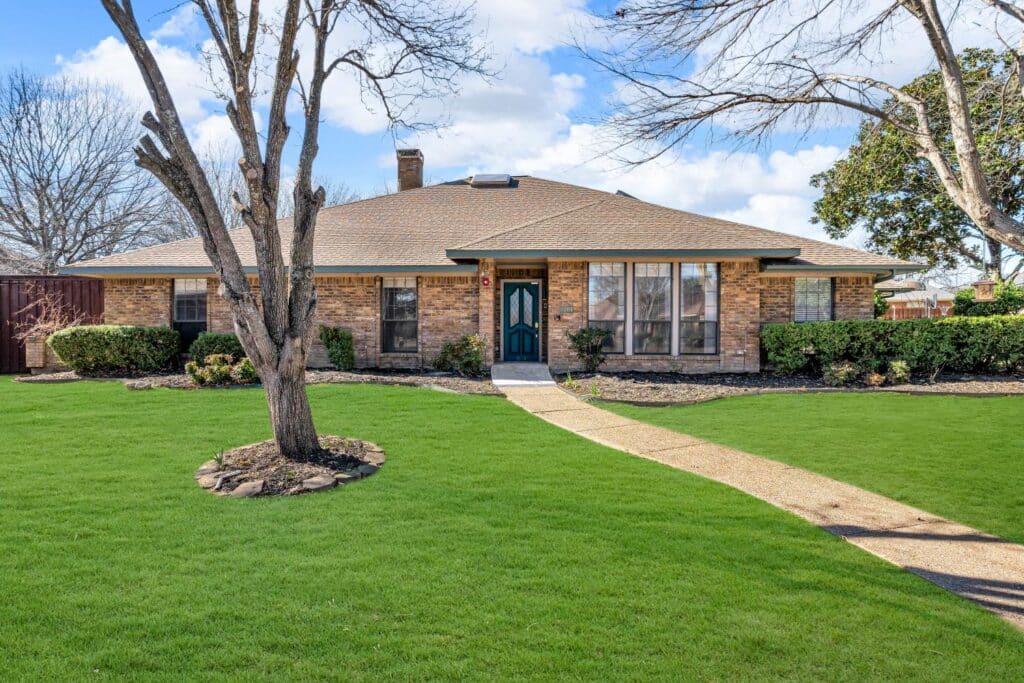
The pricing information in this article relates to three Plano residences:
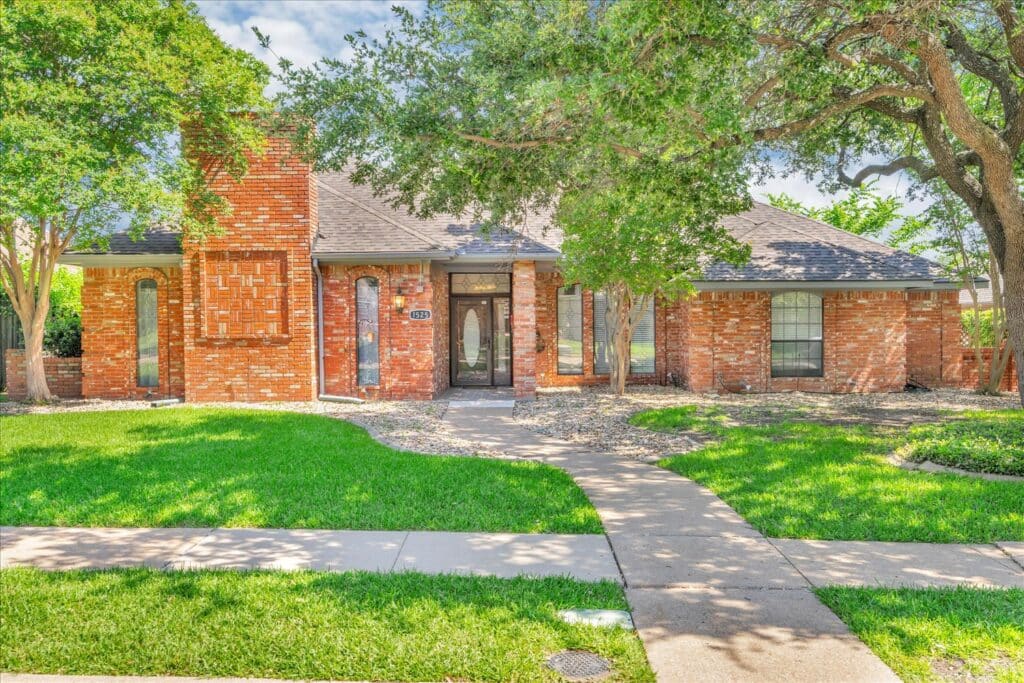
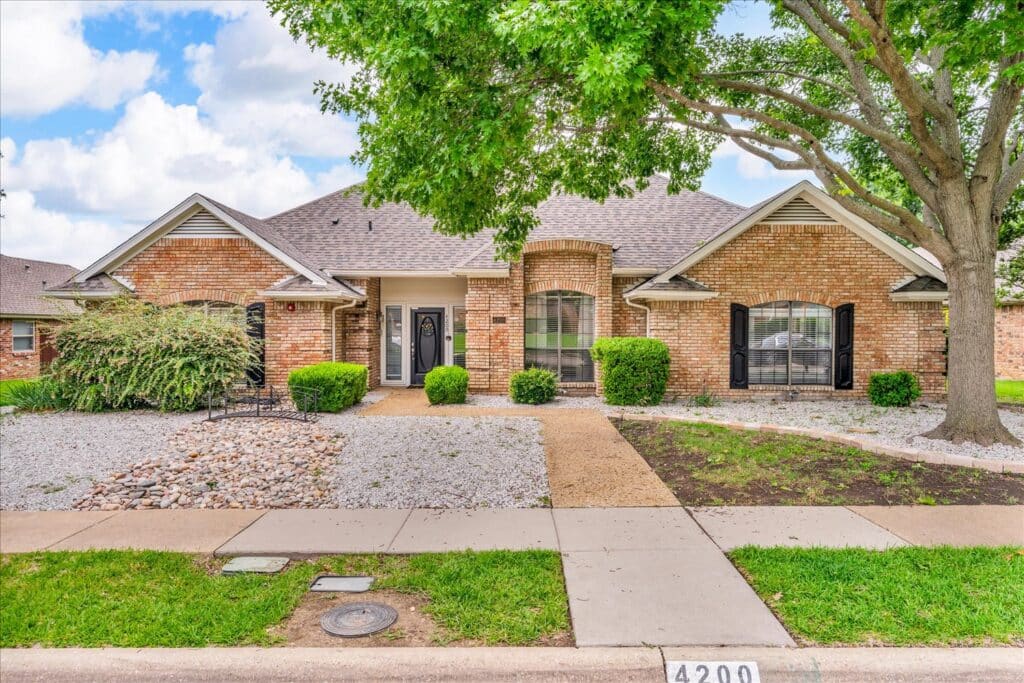
- Ambrosia Lane: 4200 Ambrosia Ln, Plano, TX 75093
- Aylesbury Lane: 1525 Aylesbury Ln, Plano, TX 75075
- Diane Dr: 2101 Diane Dr, Plano, TX 75074
Available care includes Assisted Living, Memory Care, and Respite Care.
Families who are still determining whether memory care is the appropriate type of support can review what memory care assisted living includes.
If the care direction is already clear and the next question is how to evaluate residential options beyond price, see what to compare when choosing a memory care home.
Compare the Total Cost, Not Just the Starting Price
Memory care facility costs make more sense when families separate the price into its parts.
Start with the room. Then identify what support is included, which services can add to the monthly amount, whether there are one-time fees, and how changing care needs could affect future costs.
That approach gives you a more realistic comparison than choosing a community based on an advertised starting rate alone.
If cost is the main remaining question, review room options and pricing or use the senior living cost comparison.
If you are still uncertain how much support may be needed, the care assessment can help organize the practical care considerations affecting your decision.
Once the care and financial fit are clearer, you can schedule a visit to evaluate the residences in person.
Schedule a Tour
Frequently Asked Questions
What Is the Average Monthly Cost for a Memory Care Facility?
There is no single monthly amount that applies to every memory care facility.
Pricing varies based on location, room type, support needs, included services, and additional charges. At the Plano communities covered here, current base pricing begins at $7,000 per month for a Premium Private room.
When comparing prices, look at the expected total for the room and support needed rather than relying only on a starting rate.
What Is Usually Included in Memory Care Costs?
It depends on the community.
A rate may include housing, meals, personal care, household services, utilities, activities, or other support, while some services may carry an additional charge.
Ask each community for a clear explanation of what is included in the base rate and what can change the monthly total.
Does Medicare Cover Memory Care Costs?
Medicare generally does not cover the residential cost of long-term custodial care when the primary need is help with everyday activities. See the official long-term care coverage rules for the distinction between long-term custodial care and qualifying medical services.
Other payment possibilities may depend on Medicaid eligibility, long-term care insurance, personal resources, and the specific services involved.