




When comparing senior communities in Plano, TX, an activity calendar can tell you what is scheduled. It cannot tell you what everyday life actually feels like.
A community may offer plenty of programs yet still be a poor social fit for someone who prefers quiet conversation, small groups, family visits, or the freedom to spend time independently. Another person may want a more active rhythm with frequent opportunities to meet others and participate.
That is why evaluating social connection means looking beyond the number of activities. The more useful question is whether a community creates comfortable, realistic opportunities for residents to participate in ways that suit their personalities, interests, abilities, and routines.
Families who are still comparing the broader types of senior living options in Plano may want to start there. Once the type of senior living is clearer, the next step is determining what everyday community life may actually feel like.

Care assessment
What Does Social Connection Look Like in a Senior Community?
Connection does not have to mean being surrounded by people all day.
For some residents, it may come from joining a scheduled activity. For others, connection happens during a shared meal, a conversation in a common area, time outdoors with another resident, or regular visits from family.
The National Institute on Aging explains that loneliness and social isolation are not the same thing and provides guidance about loneliness, social isolation, and staying connected. That distinction is useful when evaluating a senior community because simply having people nearby does not necessarily mean a resident will feel connected.
Look for an environment that provides different ways to participate rather than assuming one social style works for everyone.
Opportunities for connection may include:
- shared meals;
- small- or larger-group activities;
- everyday conversation in common areas;
- outdoor time;
- family gatherings and visits;
- celebrations or special events;
- opportunities to pursue familiar interests;
- Quiet spaces where residents can relax without feeling excluded.
The goal is not constant activity. It is access to meaningful interaction while respecting that residents differ in how much social involvement they want.
Start With the Resident’s Social Preferences
A highly active community is not automatically the right fit for a highly social person, just as a quieter setting is not automatically better for someone who values privacy.
The better starting point is the individual.
Think about how the older adult has typically preferred to spend time throughout life.
Do they prefer:
- One-on-one conversations or larger gatherings?
- Familiar routines or frequent new activities?
- Structured programs or spontaneous interaction?
- Quiet mornings and active afternoons?
- Substantial personal time or frequent company?
- Family-centered interaction or broader community participation?
Those preferences matter because moving to a senior community should not require someone to adopt an entirely different personality to feel included.
A quieter resident may appreciate a setting where participation is available but never pressured. Someone who enjoys regular interaction may want to know whether opportunities extend beyond occasional scheduled events.
This is one reason touring in person can be valuable. A calendar shows what is planned; the environment can show how people actually use the space.
Look Beyond the Activity Calendar
An activity calendar is useful, but it is only one part of evaluating community life.
A long program list does not answer questions about participation, accessibility, variety, or whether activities suit the residents who live there.
Instead of asking only, “What activities do you offer?” consider asking:
- How often do residents participate?
- Are there both small-group and larger-group options?
- Can activities be adapted for different abilities?
- Can residents suggest activities based on their interests?
- What happens when someone prefers not to join a group?
- How does the team help a new resident become comfortable?
- Are there informal opportunities to spend time with others outside scheduled programs?
These questions help distinguish availability from fit.
For families considering luxury senior living, beautiful surroundings and thoughtful amenities can be meaningful parts of the experience. They should still complement the everyday relationships, routines, comfort, and personal attention that determine whether someone truly feels at home.
Shared Meals and Common Spaces Can Shape Everyday Connection
Some of the most meaningful interactions in a senior community may never appear on an activity schedule.
Dining rooms, living areas, porches, gardens, and other shared spaces can create natural opportunities for conversation and companionship.
During a visit, consider how those spaces are actually used.
Ask yourself:
- Do common areas feel inviting?
- Are there spaces for both conversation and quiet time?
- Do residents have opportunities to eat together?
- Can family members spend comfortable time with residents?
- Are outdoor areas accessible and easy to use?
- Does the environment make interaction easy without making privacy difficult?
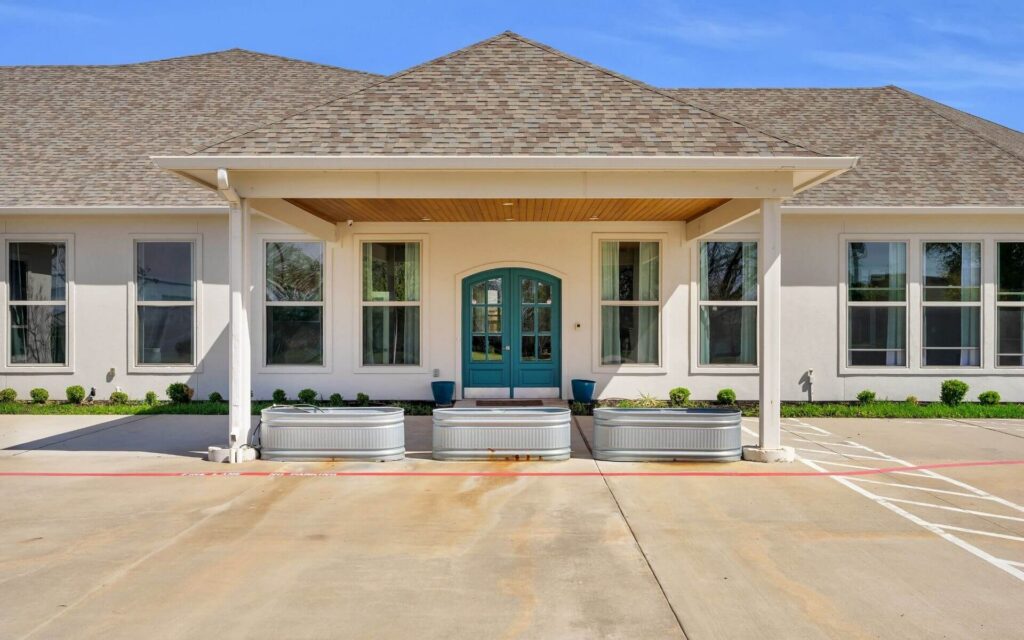
Our Cottage offers residential senior living homes with shared living and dining areas, outdoor spaces, and private or shared resident rooms. Families can compare the individual Our Cottage senior living locations rather than assuming every setting will feel exactly the same.
Some older adults may enjoy the scale and pace of a larger senior community. Others may feel more at ease in a smaller residential environment. Neither is automatically better; the stronger choice is the one that fits the person.
What to Notice During a Visit
A tour is an opportunity to observe the social environment, not simply inspect the building.
You do not need every resident to be participating in an activity when you arrive. Seeing people spending their time in different ways can actually provide useful information.
| What to observe | What it can help you understand |
| Resident interaction | Whether conversation and companionship appear to happen naturally |
| Different levels of participation | Whether residents can join activities or spend time independently |
| Staff interaction | Whether communication appears respectful, attentive, and comfortable |
| Common areas | Whether spaces support both social activity and quieter moments |
| Activities in progress | Whether programming appears appropriate for the people participating |
| Shared meals | Whether dining creates opportunities for interaction as well as personal comfort |
| Family presence | Whether family participation appears practical and welcome |
| Overall pace | Whether the environment feels compatible with the resident’s personality and routine |
Try not to judge an entire community from one isolated moment. Ask what a typical day and week look like.
If possible, consider visiting at a time that reflects the part of community life that matters most to your family, such as around a meal or scheduled activity.

Ask How New Residents Are Introduced to Community Life
Moving into a senior community is a significant transition.
Even someone who usually enjoys social activity may need time to become comfortable in unfamiliar surroundings.
Ask what happens during the first days and weeks after a resident arrives.
Useful questions include:
- How does the team learn about the resident’s interests and routines?
- How are activities introduced?
- Are residents given choices about participation?
- Is there support for someone who is hesitant to join a group?
- How can family members remain involved during the transition?
- How are changing interests or abilities accommodated?
The answers can reveal whether engagement is treated mainly as a calendar of events or as part of understanding the individual resident.
Connection Can Extend Beyond the Senior Community
A good community fit does not require every social activity to happen inside the residence.
Staying connected may also involve family, longtime friends, faith communities, local programs, hobbies, or other relationships that existed before the move.
Plano offers community-based opportunities for older adults as well. The City of Plano’s senior services and recreation resources include programs for adults 50 and older, including fitness, continuing education, social events, trips, and other activities.
For a closer look at one local option, see our guide to local senior activities in Plano.
When comparing communities, consider whether the location and daily routine make it practical for the resident to maintain outside relationships and activities that are already meaningful.
How Our Cottage Approaches Community Life
Our Cottage provides luxury senior living in a smaller residential setting for older adults who need Assisted Living, Memory Care, or short-term Respite Care.
Its model differs from a traditional large senior living community. The homes are designed around a residential environment with shared living and dining spaces, outdoor areas, meals, life-enrichment opportunities, and daily support.
For families considering luxury senior living, the important question is still fit. A beautiful environment should support comfort, dignity, personal routines, and opportunities for meaningful interaction rather than substitute for them.
A smaller residential setting may appeal to an older adult who prefers familiar surroundings and a more intimate daily environment. Another person may prefer the energy and scale of a larger community.
Families should evaluate each setting individually. Ask about the daily rhythm, current activities, family involvement, available care, and how the environment fits the person considering the move.
Questions to Ask About Social Life Before Choosing
By the end of a tour, you should understand more than what appears on the monthly calendar.
Consider asking:
- What does a typical weekday look like?
- Which activities do residents tend to enjoy most?
- Are there opportunities for both small-group and individual engagement?
- How do you support residents who prefer quieter activities?
- Can activities be adapted for different mobility or cognitive needs?
- How do you learn what a new resident enjoys?
- Can family members participate in activities or celebrations?
- Which shared spaces do residents use most often?
- How often does programming change?
- Can residents choose not to participate without losing other opportunities for connection?
The goal is not to find the community with the most activities. It is to understand whether the available opportunities match the resident’s preferences and allow participation to feel natural rather than obligatory.
Look for the Kind of Connection That Fits the Person
When comparing senior communities in Plano, TX, social connection should be evaluated in the context of the whole person.
Some residents want an active calendar and frequent group interaction. Others value familiar faces, shared meals, a comfortable conversation, family time, and the ability to enjoy their own routines.
A strong fit provides meaningful ways to participate while respecting that connection looks different for everyone.
Online research can narrow the options, but atmosphere is difficult to judge from a website alone. Families considering Our Cottage can schedule a tour to experience the residential setting, ask about daily community life, and decide whether it feels appropriate for their loved one.