






When comparing memory care vs assisted living, the biggest difference is the type and consistency of support a person needs.
Assisted living generally helps older adults who need assistance with everyday activities while maintaining as much independence as appropriate. Memory care is organized more specifically around cognitive changes that can affect memory, communication, judgment, routines, navigation, and safety.
The right choice should not be based on age or a diagnosis alone. Families need to consider what the person can manage safely, where support is becoming necessary, and what the specific residence is equipped to provide.

Care assessment
What Is the Difference Between Assisted Living and Memory Care?
Both care settings may provide housing, meals, personal assistance, social opportunities, and help with everyday routines. Residential long-term care settings vary in the exact combination of services they provide, so families should compare the actual program rather than assume every provider operates the same way.
The practical distinction is usually the role cognitive needs play in daily support.
Assisted living may fit someone who needs help with activities such as dressing, bathing, meals, mobility, or other daily routines but can still navigate much of the day with an appropriate level of independence.
Memory care is designed around people whose cognitive changes create additional needs for structure, guidance, supervision, navigation support, or an environment organized around dementia-related challenges.
For more background on how residential settings differ, see this guidance on residential long-term care options.
Memory Care vs Assisted Living at a Glance
| What to Compare | Assisted Living | Memory Care |
| Primary support need | Help with everyday living and personal care | Daily living support combined with greater attention to cognitive needs |
| Cognitive support | Depends on the resident’s needs and provider capabilities | Care approach is more specifically organized around memory and cognitive changes |
| Daily routine | Allows varying levels of independence | May use more predictable structure and guidance where needed |
| Environment | Accessible residential setting | Environment may place greater emphasis on navigation and memory-related safety |
| Support and supervision | Based on individual needs and provider model | May involve more consistent memory-related guidance and supervision |
| Main family question | Can this person safely manage with this level of daily support? | Are cognitive changes creating needs that require a more specialized approach? |
These are general distinctions, not guarantees about a particular provider. Long-term care services differ by setting, and not every assisted living community provides the same dementia-specific services. Families can review dementia-related long-term care options for additional context.
Can Someone With Dementia Live in Assisted Living?
Potentially, yes.
A dementia diagnosis does not automatically determine where someone should live. The more useful questions are how cognitive changes affect everyday functioning and whether the current setting can appropriately support the person’s needs.
Someone living with dementia may still be able to manage many parts of the day with assistance. Another person may experience disorientation, impaired judgment, communication difficulties, or growing supervision needs that make a more specialized environment worth considering.
Because assisted living providers differ, families should ask what dementia-related support is actually available rather than assume that every assisted living setting can accommodate the same range of cognitive needs.
If your family is trying to understand how everyday assistance and cognitive support may work together in the same care journey, see how daily living and memory support can work together.
When Might Assisted Living No Longer Provide Enough Support?
There is no single behavior or diagnosis that automatically means a person should move to memory care.
Instead, families can look for patterns showing that the current level of support may deserve reassessment.
Examples can include:
- Increasing difficulty following familiar routines
- Repeated disorientation in familiar places
- Growing need for supervision throughout the day
- Personal-care needs are becoming harder to manage because of cognitive changes
- Safety concerns related to memory or judgment
- Increasing difficulty communicating needs
- Changes that the current residence cannot appropriately accommodate
- A support arrangement that is no longer sustainable for the older adult or family
The point is not to create a diagnostic checklist. These changes are reasons to gather more information.
Unexplained or significant changes in memory, thinking, or behavior should also be discussed with a qualified healthcare professional rather than attributed automatically to dementia or treated solely as a residential-care decision.
How Should Families Decide Between Assisted Living and Memory Care?
A useful comparison starts with the person rather than the care label.
Consider five questions.
1. What Help Is Needed With Everyday Activities?
Look at bathing, dressing, meals, mobility, household routines, and other tasks that affect everyday independence.
2. How Are Cognitive Changes Affecting Daily Life?
Consider whether memory, judgment, communication, navigation, or confusion are creating additional support needs.
3. Are There Repeated Safety Concerns?
One difficult day is different from a pattern of problems that affects the person’s ability to manage the current environment.
4. What Can the Provider Actually Support?
Ask specifically what happens when cognitive or physical needs increase.
Do not assume that every assisted living community or memory care setting has the same capabilities.
5. Is the Current Arrangement Sustainable?
A setting may meet basic needs today but become difficult to maintain if support requirements increase.
The better fit is the option that addresses the person’s actual needs while remaining realistic about the level of support the residence can provide.
If your family still needs a broader explanation of the care model, review what memory care assisted living includes.

How Do Costs Differ Between Assisted Living and Memory Care?
Costs vary by community, location, room arrangement, included services, and the amount of support a resident needs.
Memory care may cost more than general assisted living when the arrangement includes additional cognitive-support services, specialized programming, supervision, or other provider-specific resources. Families should compare actual pricing rather than assume a fixed difference between the two care types.
Ask:
- What is included in the base rate?
- Does the price change with additional care needs?
- Are there separate charges for enhanced support?
- Does room type affect the monthly cost?
- Are there one-time community fees?
- How would costs change if needs increase?
For a deeper financial review, see the factors that affect memory care costs.
Current community-specific options are also available through room options and pricing.
What if Someone Needs Both Daily Living and Memory Support?
The decision is not always a simple either-or choice.
Someone can need help with physical activities of daily living while also experiencing cognitive changes that affect routines, judgment, communication, or navigation.
In that situation, families should ask how the provider evaluates both types of needs and what happens if one becomes more significant over time.
This is different from simply comparing the definitions of assisted living and memory care. The issue becomes continuity: can the setting provide the combination of support the person needs, and how will changing needs be handled?
For that deeper question, read about how daily living and memory support can work together.
Assisted Living and Memory Care Options in Plano
Assisted Living, Memory Care, and Respite Care are available at three Plano locations:
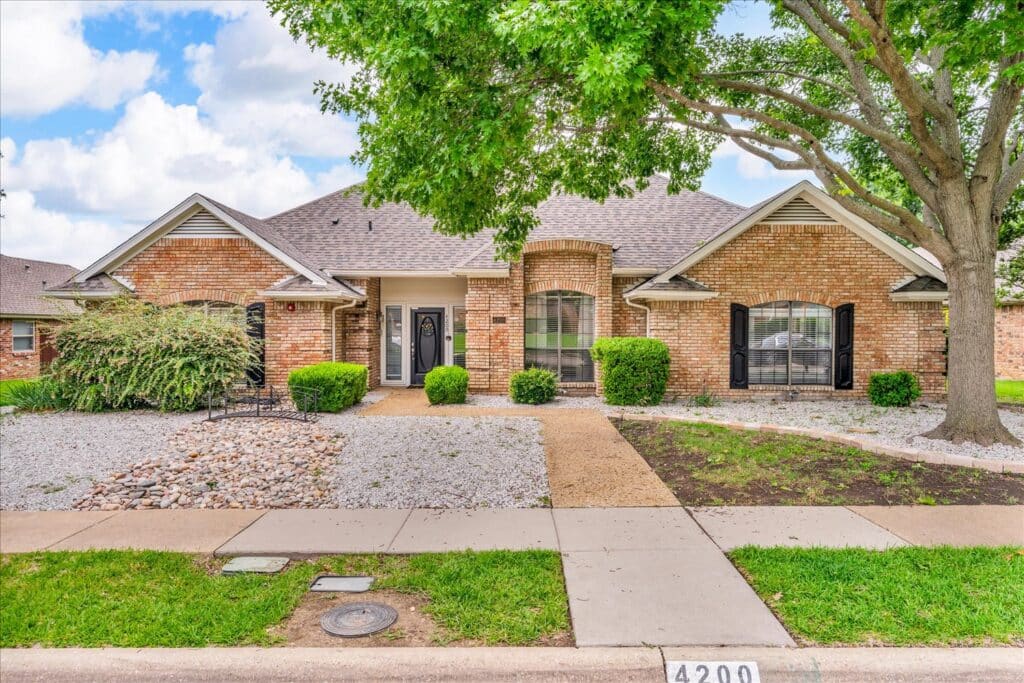
- Ambrosia Lane: 4200 Ambrosia Ln, Plano, TX 75093
- Aylesbury Lane: 1525 Aylesbury Ln, Plano, TX 75075
- Diane Dr: 2101 Diane Dr, Plano, TX 75074
Available support includes daily living assistance, on-site medical coordination, dining and nutrition, home services and personal care, and wellness and life enrichment.
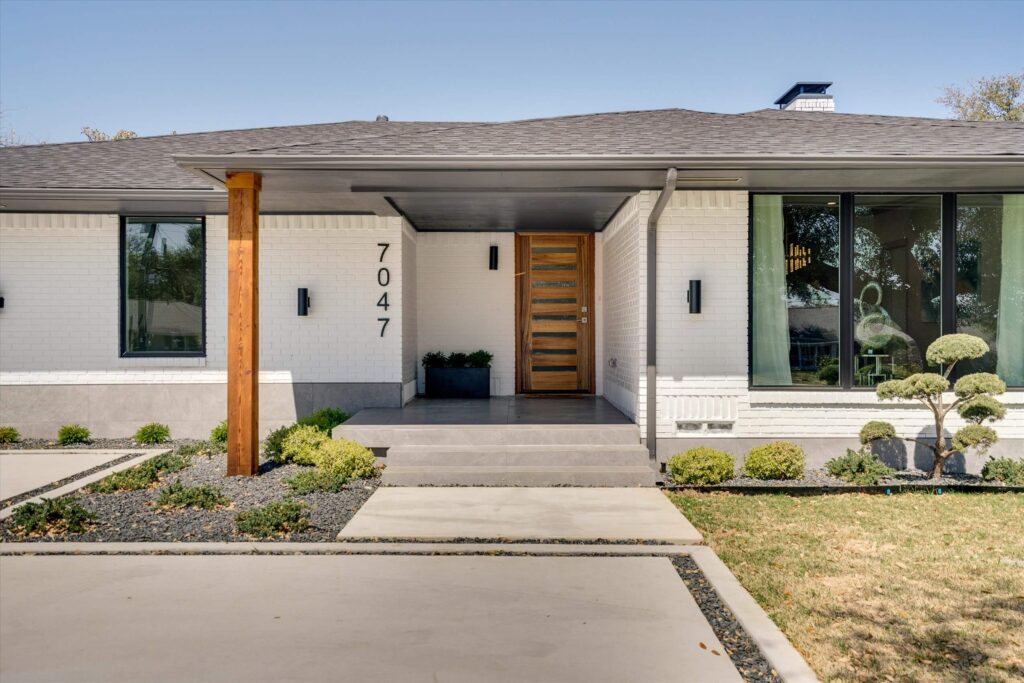
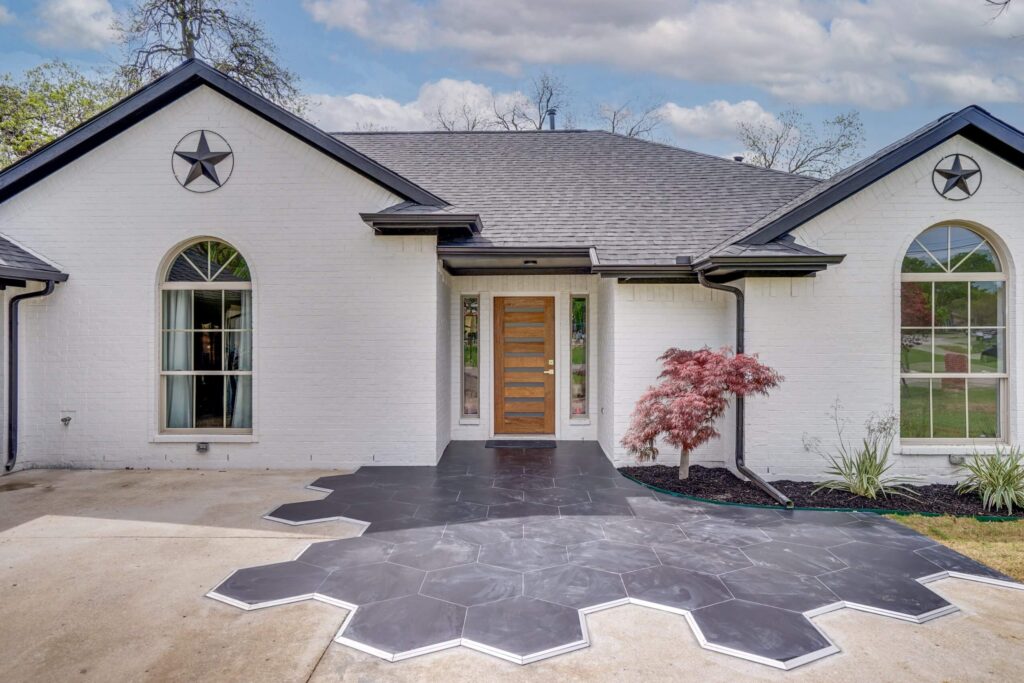
The residences include comfort-focused design, home-like common areas, accessible bathrooms, porches and secure garden areas, spaces for private family visits, and private and shared rooms.
Families can review the available care services before deciding which type of support they want to explore.
If you have already identified memory care as the likely direction and are beginning to compare residential options, see what to look for when comparing memory care homes.
Compare the Support, Not Just the Labels
The difference between memory care and assisted living becomes clearer when families focus on everyday needs.
Assisted living may be appropriate when a person primarily needs help with daily activities while retaining an appropriate degree of independence. Memory care becomes more relevant when cognitive changes create additional needs for structure, guidance, navigation support, supervision, or a care approach designed around memory-related challenges.
The right next step depends on what remains uncertain.
If you are still trying to determine which level of support to explore, use the care assessment.
If you understand the likely care direction and are ready to evaluate the environment in person, you can schedule a visit.
Schedule a Tour
Frequently Asked Questions
When Should Someone Move From Assisted Living to Memory Care?
There is no universal point when someone should move.
A reassessment may be appropriate when cognitive changes create needs for supervision, structure, safety support, or guidance that the current assisted living arrangement cannot adequately provide.
The decision should consider the person’s overall functioning, safety, preferences, current support, and the provider’s actual capabilities.
Can Someone Stay in Assisted Living if They Have Dementia?
Sometimes.
A dementia diagnosis alone does not determine the residential setting. What matters is how cognitive changes affect daily functioning and whether the assisted living provider can appropriately meet the person’s current needs.
Families should ask specifically what dementia-related support is available and what changes might require a different care arrangement.