




What does assisted living include? It often brings together a place to live, daily living support, personal care, meals, home services, wellness opportunities, and care coordination. The exact combination depends on the community and the resident’s needs, so families should confirm what is included, what is need-based, and what may cost extra.
Understanding these differences makes it easier to compare communities fairly. You can look beyond a general service list and ask how each service would support your loved one’s routines, preferences, and changing needs. You will also see which questions reveal whether a service is standard, need-based, or priced separately.

Care assessment
What Does Assisted Living Include? A Clear Answer
Assisted living is a residential care option that combines a living environment with support for everyday needs. It may include daily living assistance, personal care, dining and nutrition, home services, wellness opportunities, and coordination related to a resident’s care.
Knowing what services assisted living offers is only the first step. A community may make several services available, but the resident’s actual support depends on their needs and service plan. Reviewing the available assisted living care services can help families prepare more specific questions.
Daily Living Support Can Be Different for Each Resident
Daily living support helps with personal tasks that may become difficult to manage alone. Medicare describes activities of daily living as everyday personal tasks such as dressing, bathing, and using the bathroom. The specific assistance an older adult receives should reflect what they can manage independently and where support would make daily life easier.
Needs may also change with age. A 2024 CDC report found that 62% of residential care community residents needed help with three or more activities of daily living in 2022. This national figure does not predict one person’s care needs, but it shows why a review process matters when routines or abilities change.
How Personal Care Levels Are Determined
Request details about how needs are evaluated, who participates in the discussion, how the service plan is documented, and when it is reviewed. If you are still identifying which daily tasks may require support, a care assessment can help organize those needs before you compare options.
Meals, Home Services, and the Living Environment
Meals and home services can remove tasks that have become tiring or difficult while giving residents more time for daily routines and meaningful activities. The National Institute on Aging explains that assisted living settings may provide meals, personal care, medication assistance, housekeeping, and laundry. Exact arrangements still need to be confirmed with each community.
The physical environment matters as well. Utilities, room choices, accessible bathrooms, home-like common areas, outdoor spaces, and private areas for family visits can all shape daily life. Review the available community amenities and ask how each feature supports privacy, accessibility, connection, and familiar routines.
Wellness and Care Coordination Support Daily Life
Wellness, life enrichment, and care coordination work alongside personal care to support the resident’s broader routine. Dining and nutrition may support consistent meals, while wellness and life enrichment can add structure, choice, and opportunities for engagement.
On-site medical coordination is not the same as every form of direct medical treatment. Ask what coordination covers, who is involved, and how information is shared. Clear answers help you understand how personal care, wellness, and outside medical needs connect without assuming that every service is provided in the same setting.
Which Services Are Included, Variable, or Additional?
An assisted living service list shows what may be available. It does not always show what is included in the base arrangement, assigned after an assessment, or priced separately. This comparison can help families identify the details that require confirmation.
| Service category | What families should confirm | Why it matters |
| Living arrangement and utilities | What the room arrangement and base price include | Clarifies the residential part of the plan |
| Daily living support | Which types and levels of help are included | Connects services to the resident’s actual needs |
| Dining and nutrition | What meals and dining support are provided | Shows how everyday nutrition and routines are supported |
| Home services and personal care | Which services are standard or need-based | Prevents assumptions based on broad service labels |
| Care coordination | What coordination covers and who provides it | Separates coordination from direct medical treatment |
| Wellness and life enrichment | What opportunities are available, and how participation works | Helps families evaluate everyday lifestyle support |
| Additional or enhanced care, if offered | When added support applies, and how it is priced | Identifies possible charges beyond the base arrangement |
A practical way to compare inclusions is to use a four-part check:
- What is included in the base arrangement?
- What depends on the resident’s care assessment?
- What carries an additional fee?
- How will the plan change if the resident’s needs change?
A cost comparison can help you organize these details and compare the overall value of housing, daily support, personal care, and services.
How to Confirm What an Assisted Living Community Provides
Ask for a written list of included services and compare it with the resident’s proposed care plan. The general list explains what an assisted living facility may provide, while the care plan should clarify what the individual resident is expected to receive. It should also be clear which services have separate fees and how changes are approved.
A visit can help you understand how those written details appear in daily life. Observe the living environment and ask who families contact when questions arise. If you are also deciding whether these services match your loved one’s needs, choosing the right assisted living setting is a useful next step.

Questions to Ask Before Choosing a Community
Clear questions can reveal differences that may not appear in a brochure or service list. Bring the same questions to each community so your comparison remains focused on the resident’s actual needs.
- What is included in the base arrangement, and which services have separate fees?
- How is the personal care level determined, reviewed, and communicated to the family?
- What dining, home, wellness, and care coordination services are available?
- Which room arrangements and utilities are included?
- How are changing needs handled, and whom should the family contact with questions?
Reviewing floor plans and pricing alongside the answers can help you connect the room arrangement, included services, and additional care options.
Explore Assisted Living Support at Our Cottage in Plano
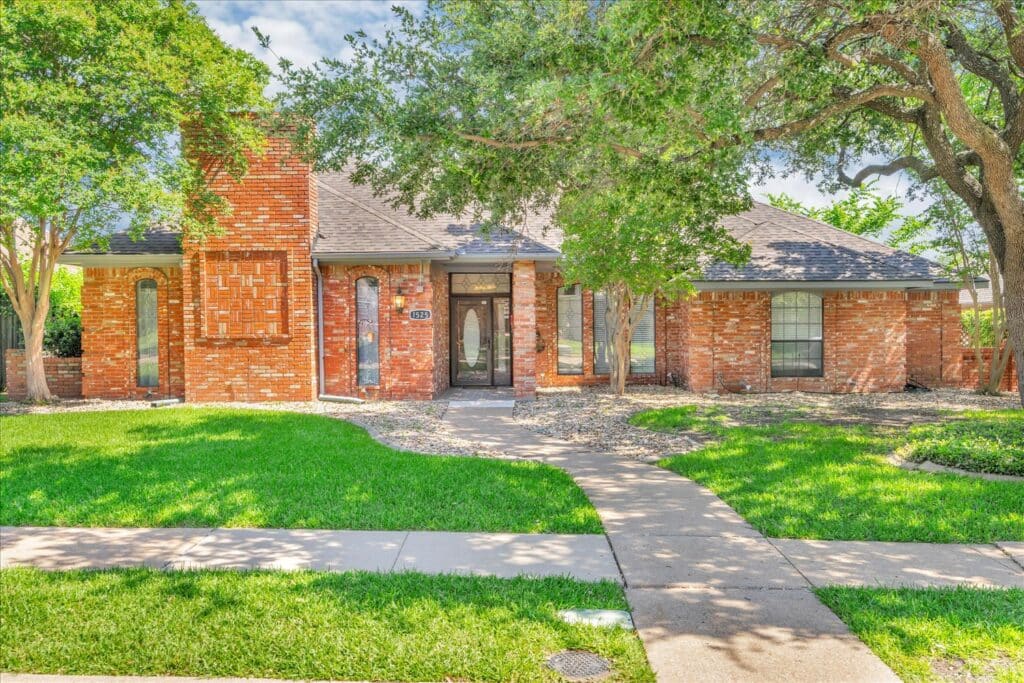
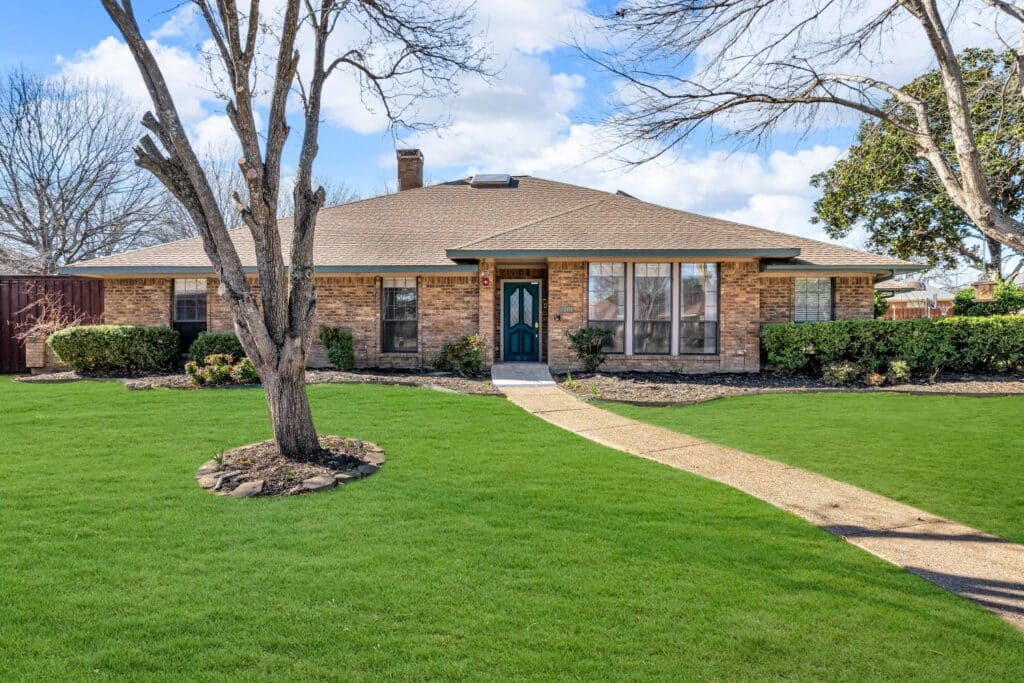
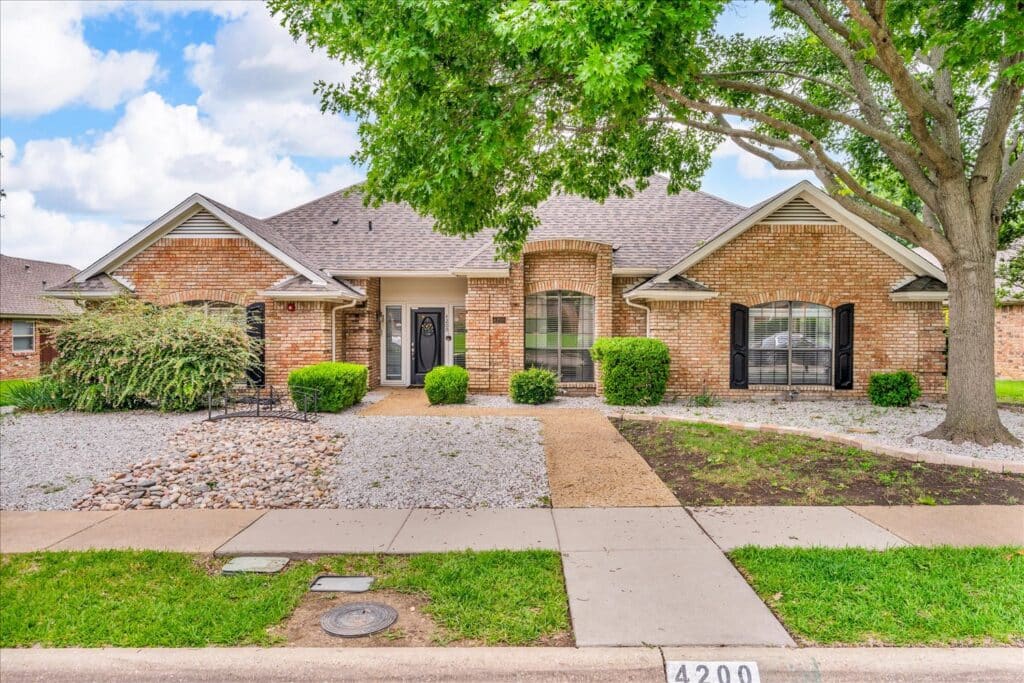
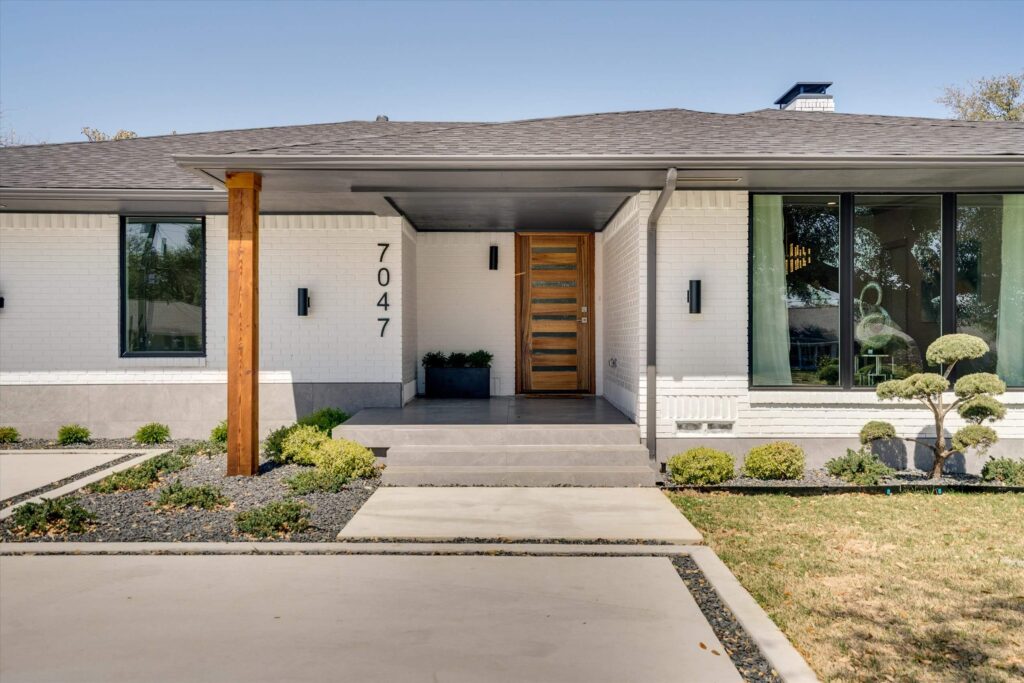
Our Cottage offers Assisted Living, Memory Care, and Respite Care at Ambrosia Lane, Aylesbury Lane, and Diane Dr in Plano. Relevant features include daily living support, dining and nutrition, home services and personal care, on-site medical coordination, wellness and life enrichment, utilities, accessible bathrooms, outdoor spaces, and private or shared rooms.
If you are ready to confirm what would be included for your family member, you can schedule a visit, contact the community, or call 469-697-0565. A direct conversation can help you understand the service plan, room options, enhanced care add-on, and next steps based on your loved one’s needs.