







When an older adult needs more help with everyday life, one of the hardest questions for a family is often where that support should happen.
Home care allows an older adult to remain in their current home while receiving arranged assistance there. Assisted living combines housing with ongoing daily support in a residential community. Neither option is automatically better. The better fit depends on the person’s needs, routines and preferences, as well as how much support the family can realistically coordinate over time.
The most useful home care vs assisted living comparison goes beyond asking which option provides help. Families also need to consider when that help is available, what remains the family’s responsibility, how the living environment affects daily life, and whether the overall arrangement can continue working if needs change.

Care assessment
Key Takeaway
Home care can make sense when staying in a familiar home is a high priority and the necessary support can be reliably arranged around the older adult’s needs. Assisted living may deserve closer consideration when housing, daily assistance, meals, routines and other support are easier to manage together in one residential setting.
The goal is not to choose the option that sounds best in general. It is to identify which arrangement can meet this person’s actual needs consistently.
Home Care vs Assisted Living at a Glance
| Comparison Point | Home Care | Assisted Living |
| Where support occurs | In the older adult’s current home | In a residential assisted living setting |
| How care is arranged | Caregivers or services are scheduled according to the care arrangement | Daily support is incorporated into the residential setting; exact services vary by community |
| Housing | The person continues living in their existing home | Housing and daily support are provided in the same setting |
| Daily routine | Familiar household routines may be easier to preserve | Routines take place within a community environment |
| Meals and household needs | May be handled by the older adult, family, paid caregivers or separate services | Meals, housekeeping and related services are commonly part of the residential arrangement, although specifics vary |
| Family coordination | Family may remain responsible for arranging schedules, covering gaps and managing household needs | Family can remain closely involved, but some routine support responsibilities may shift to the community |
| Social environment | Depends largely on the person’s existing relationships, transportation and ability to participate outside the home | Social and recreational opportunities may be available within the community |
| If needs change | Additional caregiver hours or services may need to be arranged | Families can ask how the community handles increasing or changing support needs |
| Cost comparison | Depends on care hours, household costs and other services required | Depends on housing, services, level of support and community pricing |
A table can show the broad differences, but the real decision depends on what support looks like across an ordinary day or week.
Start With the Support the Older Adult Actually Needs
Before choosing a setting, identify what is creating the need for additional help.
Consider whether support is needed with:
- Bathing, dressing or grooming
- Mobility and transfers
- Medication routines
- Preparing and eating meals
- Laundry, housekeeping or other household tasks
- Transportation and appointments
- Companionship and social engagement
- Getting through morning or evening routines
- Responding when needs arise unexpectedly
Frequency matters just as much as the task itself.
For example, needing help with a predictable task several times a week creates a different care arrangement than needing assistance at different points throughout each day. A family may be able to organize scheduled home care successfully while needs remain predictable, but the logistics can become more complicated when coverage is needed more often or at less predictable times.
Try writing down when help is needed during a typical week rather than simply making a list of tasks. That exercise can reveal whether the family is comparing two realistic options or trying to make one setting cover needs it may not be well suited to manage.
How Home Care Works When Staying at Home Is the Priority
For many older adults, remaining at home has meaningful advantages. The surroundings are familiar. Established routines do not necessarily have to change. The person may remain close to neighbors, friends, pets or other parts of daily life that matter to them.
Home care can add assistance without requiring a residential move. Depending on the arrangement, an in-home caregiver may help with personal care, meals, household activities, companionship or other nonmedical needs.
However, receiving help at home does not automatically mean every part of the day is covered.
Families should understand:
- What days and hours caregivers will be present
- What happens outside those scheduled hours
- Who handles meals, errands and household responsibilities
- Who coordinates appointments or communicates with different providers
- Whether family members are expected to provide backup
- Whether the current home continues to work well as mobility or support needs change
Services available to older adults at home can involve a combination of family help, paid assistance, transportation and other local resources. The National Institute on Aging provides an overview of services that can help older adults continue living at home.
The range of options is one reason families should evaluate the complete support arrangement rather than assuming that “staying home” represents one standard model.
How Assisted Living Changes the Support Arrangement
Assisted living changes more than where a caregiver visits. It brings housing and everyday support into the same residential setting.
In general, assisted living is intended for people who need help with aspects of daily life while living in a residential environment. Services vary by community, which is why families should confirm exactly what a particular residence provides rather than assuming every assisted living community operates the same way. The National Institute on Aging offers additional guidance about assisted living and other residential care options.
For a family comparing assisted living vs home care, the important difference is often integration.
Instead of separately managing housing, meals, household needs and scheduled support, some of those responsibilities can become part of one residential arrangement. That can simplify daily logistics, although families still need to examine the specific services, limitations and costs of the community they are considering.
Our Cottage provides assisted living support that includes daily living assistance, dining and nutrition, home services and personal care, wellness and life enrichment, and on-site medical coordination. Families considering residential support can explore assisted living and other care services at Our Cottage.

Compare the Family’s Role, Not Just the Older Adult’s Care
One of the most useful questions in an in-home care vs assisted living decision is:
What will the family still need to manage after this option is in place?
Home care can provide meaningful support while allowing a person to remain at home, but family members may still be involved in several layers of coordination.
Depending on the situation, that could include:
- Scheduling caregivers
- Responding when someone is unavailable
- Managing household maintenance
- Arranging groceries or meals
- Coordinating transportation
- Keeping track of appointments
- Communicating with multiple providers
- Monitoring changes in daily functioning
- Providing support during hours without paid care
This does not mean assisted living removes the family’s role.
Families may still visit, participate in decisions, communicate about changing needs, advocate for the resident and remain deeply involved in everyday life. The difference is that some responsibilities connected with housing and routine daily support may shift from the family to the residential setting.
That distinction can matter when relatives are already balancing caregiving with employment, children, distance, health concerns or other responsibilities.
The question is not whether a loving family can continue helping. A more useful question is whether the current level of coordination is sustainable without leaving important gaps.
Ask Whether the Arrangement Is Sustainable as Needs Change
A care arrangement that works today may become difficult if support needs increase.
Families do not need to predict the future perfectly. They do need to think beyond the easiest version of the current situation.
Consider these questions:
- How many hours of support are needed during a normal day?
- Are those hours predictable?
- Does the older adult sometimes need help when no caregiver is scheduled?
- Are family members regularly filling gaps in paid care?
- Could the family continue doing that six months from now?
- Is maintaining the home becoming difficult?
- Can the older adult reliably access meals, appointments and important relationships?
- What would need to change if additional personal care became necessary?
- Would increasing home-care hours still be practical?
- If assisted living is being considered, what additional needs can the community accommodate?
There is no universal threshold at which a person must move from home into assisted living. Two older adults who need help with similar tasks may make different choices because their homes, family support, finances, preferences and daily routines differ.
That is why sustainability is more useful than a simple checklist of “signs.”
Compare the Full Cost of Each Arrangement
Price deserves careful attention, but comparing only an hourly home-care rate with an assisted living monthly rate can create a misleading picture.
For home care, the broader household arrangement may include:
- Mortgage, rent or other housing expenses
- Utilities
- Groceries and meal preparation
- Housekeeping
- Property upkeep
- Transportation
- Paid caregiving hours
- Additional services
- Unpaid help provided by family
Assisted living pricing may combine several of those categories, but what is included varies from one community to another.
Families should therefore compare the full arrangement, not simply two advertised prices.
The Our Cottage senior living cost comparison can help families organize the services and expenses involved in the options they are considering.
Cost should inform the decision, but it should be considered alongside care coverage, the person’s preferences, family capacity and whether the chosen arrangement can reliably meet everyday needs.
Cost Comparison
Home Care Is Not the Same as Home Health Care
The phrases home care and home health care are sometimes used as though they mean the same thing, but they can refer to different types of support.
Home care commonly refers to nonmedical assistance with everyday activities such as personal care or household needs.
Home health care generally refers to health services provided in the home. Under Medicare rules, covered home health services can include medically necessary part-time or intermittent skilled nursing, therapy and certain home health aide services when eligibility requirements are met. Medicare does not treat 24-hour care at home or personal or custodial care by itself as covered home health. Families can review Medicare’s home health coverage requirements and included services for the official coverage details.
So, when searching for home health care vs assisted living, first determine whether the real question concerns skilled medical services at home, nonmedical everyday assistance, or both.
That clarification can prevent families from comparing options that are designed to solve different needs.
Which Option Fits Better? Use These Questions to Narrow the Choice
Rather than asking whether home care or assisted living is “better,” work through the decision in this order.
1. What help is actually needed?
List the daily and weekly tasks that currently require assistance.
2. When is the help needed?
Identify whether support is occasional, scheduled several times a week, needed every day or difficult to predict.
3. Who handles the time between caregiver visits?
If the answer is usually a spouse, adult child, neighbor or friend, include that person’s contribution when evaluating the arrangement.
4. Is the current home still practical?
Consider mobility, bathrooms, stairs, maintenance, meals, transportation and the person’s ability to move through daily routines.
5. How much coordination can the family sustain?
A plan can look workable on paper while depending on one family member to constantly solve scheduling, transportation and household problems.
6. What parts of the current lifestyle matter most to the older adult?
Familiarity, privacy, neighborhood relationships, social opportunities, outdoor access and daily routines may all influence the choice.
7. What is likely to happen if support needs increase?
You do not need certainty about the future, but both options should be evaluated for their ability to adapt.
8. What does the complete arrangement cost?
Include housing, care, meals, transportation, household expenses and other services rather than comparing only one fee from each option.
9. What uncertainty is still preventing a decision?
Sometimes the family does not need more general information. It needs one specific answer from a home-care provider or assisted living community.
Resolving that question can be more valuable than continuing to compare broad lists of advantages and disadvantages.

If Assisted Living Is One of the Options, Compare the Actual Community
Deciding that assisted living deserves consideration is not the same as choosing a particular community.
Services, environment, room options, approach to daily routines and the ability to support changing needs can differ. Families should confirm what is actually included and ask questions that relate directly to the older adult’s priorities.
If residential support remains a possible fit, questions to ask when comparing assisted living communities can help families move from comparing care settings to evaluating individual communities.
Our Cottage serves families through locations in Plano, Dallas and Frisco:
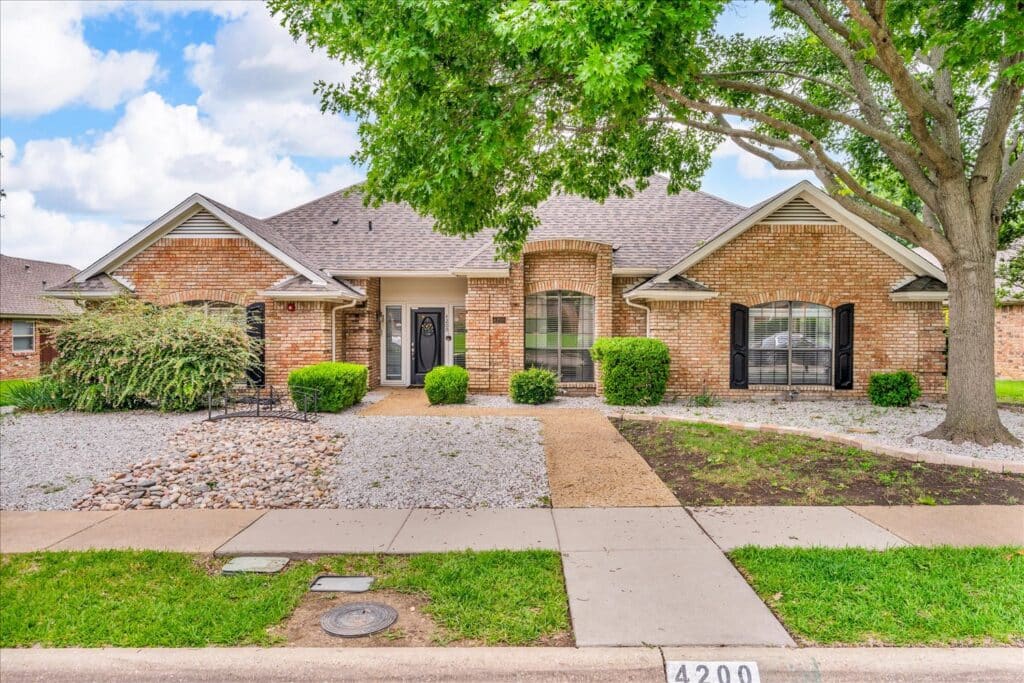
- Ambrosia Lane — 4200 Ambrosia Ln, Plano, TX 75093
- Aylesbury Lane — 1525 Aylesbury Ln, Plano, TX 75075
- Diane Dr — 2101 Diane Dr, Plano, TX 75074
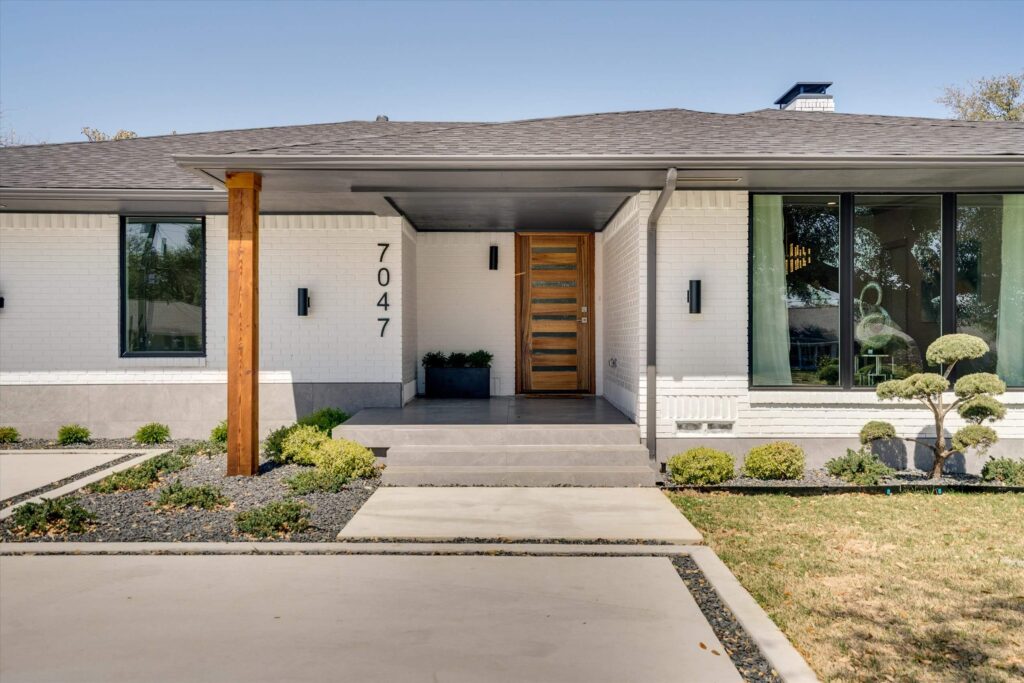
- Royal Lane — 7047 Royal Ln, Dallas, TX 75230
- Fiddler’s Green — 20000 Fiddlers Green Rd, Frisco, TX 75036
- Country Club Drive — 10410 Country Club Dr, Dallas, TX 75218
The purpose of comparing locations is not to rush the decision. It is to determine whether a specific setting can provide the support, environment and routine the older adult needs.
Start With the Needs That Matter Most
A home care vs assisted living decision becomes easier to evaluate when the family stops trying to choose between two labels and starts describing the actual support required.
Begin with the person’s highest-priority needs:
- What help is needed?
- When is it needed?
- Who currently provides it?
- Where are the gaps?
- Which responsibilities are becoming difficult to sustain?
Families who are unsure what level of support to explore can use the Our Cottage care assessment to organize their current care needs and possible next steps.
If assisted living appears to be a reasonable option after that assessment, families can review the available care services and Our Cottage locations before deciding whether a conversation or visit would be useful. Those ready to see a community in person can schedule a visit to an Our Cottage community.