


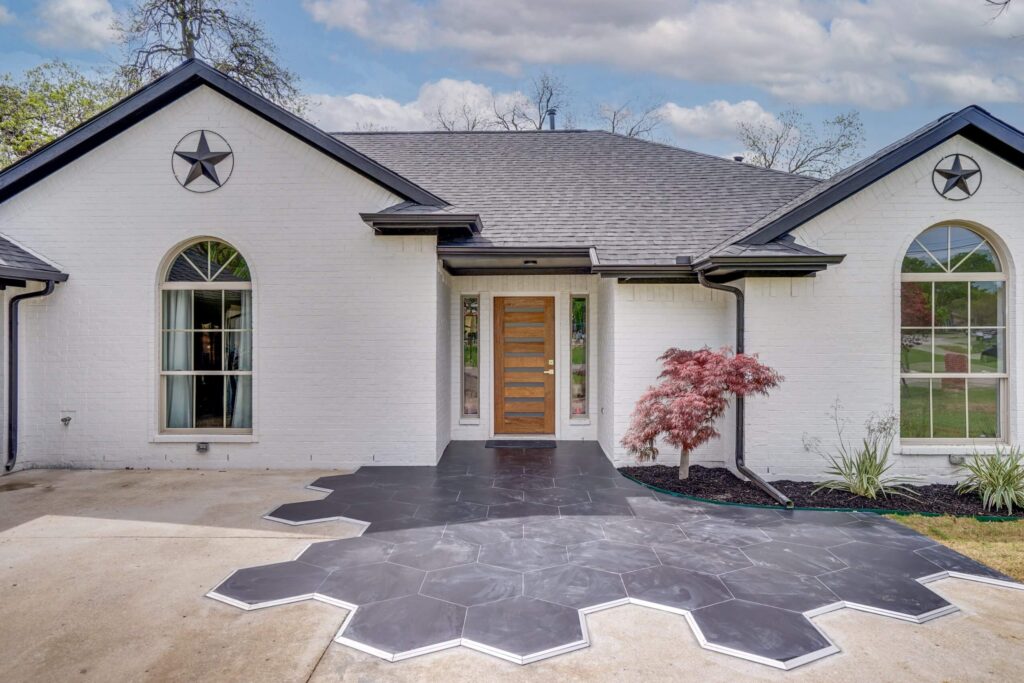
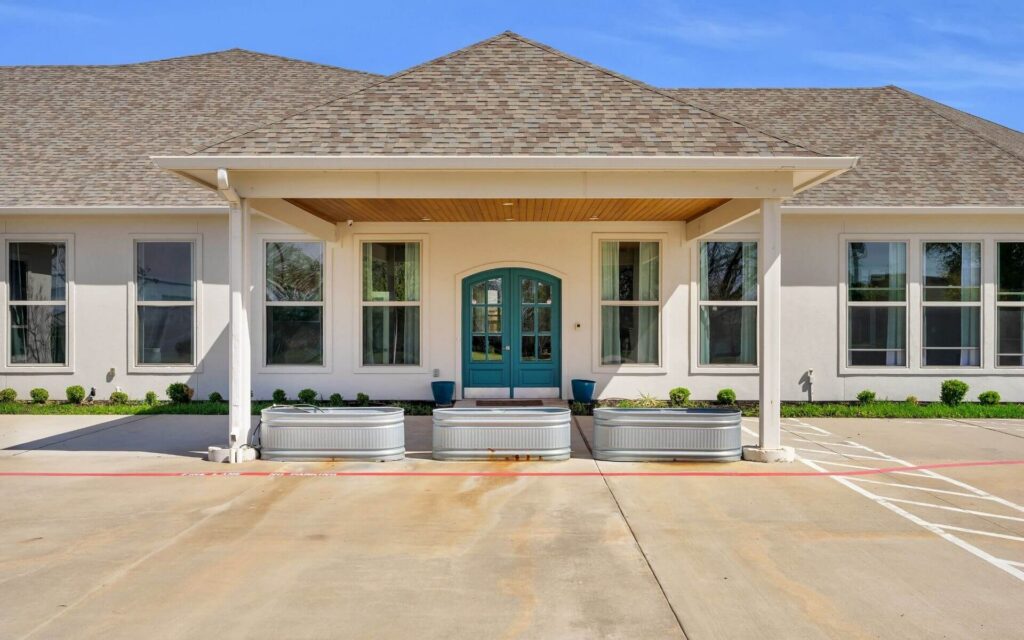

The most important questions to ask assisted living communities cover five areas: how care needs are assessed, who provides daily support, what life in the community is like, what the agreement includes, and what happens if needs change. Clear, specific answers can help you compare communities and make a more informed choice.
Communities may appear similar during an initial visit, but meaningful differences often become clear through follow-up questions. Whether you are planning for yourself or helping a loved one, this assisted living checklist will help you evaluate care, staffing, safety, rooms, costs, and everyday life. Families exploring options at Our Cottage in Plano can also use these questions during a visit.

Care assessment
Start With the Questions That Determine Whether Assisted Living Is the Right Fit
Before comparing rooms or amenities, confirm that the community can provide the kind of support the resident needs. The National Institute on Aging explains that residential care settings vary in the services they offer, which may include housing, personal care, meals, social activities, and other forms of support. This makes it essential to ask about the specific services available at each community, not just whether it is described as assisted living.
What Daily Activities Does the Resident Need Help With?
Think through the resident’s usual day, including dressing, bathing, mobility, meals, personal care, household tasks, and social participation. Ask which needs the community can support, how assistance is requested, and how the team adjusts help to the resident’s routines.
How Is the Initial Care Assessment Completed?
Ask who completes the assessment, whether the resident and family can take part, and how the resulting care plan is documented. You should also understand when the plan is reviewed and what happens if the resident begins to need more or different support. If you are still identifying current needs, the Care Assessment can help you organize your concerns before speaking with the community.
Is Assisted Living, Memory Care, or Respite Care the Better Match?
Assisted Living provides ongoing help with daily living needs. Memory Care may be appropriate when changes in memory or thinking affect safety, routines, or daily functioning. Respite Care provides short-term residential support during a temporary need, recovery period, or break in a family caregiving arrangement.
These options serve different situations, so ask how the community determines which service is appropriate. You can review the available care services before preparing questions for a visit.
The 10 Essential Questions to Ask an Assisted Living Facility
The best questions uncover how support works in real life, not just how it is described in a brochure. Start with these ten questions and ask for specific explanations whenever an answer feels too broad.
- How do you assess and update each resident’s care needs?
The answer should explain who completes the assessment, how often it is reviewed, and how residents and families are involved. - Who is available to help during the day, overnight, and on weekends?
Ask about staff roles and who a resident should contact when support is needed. - What support is included in the base rate?
Request a clear explanation of included services so you can compare communities accurately. - Which services require an additional charge?
Ask what may change the monthly amount and how families are notified before added services begin. - How are medications and outside healthcare appointments coordinated?
Clarify what the community handles and what remains the responsibility of the resident, family, or healthcare provider. - What happens during a medical or safety emergency?
Ask about the response process, who is contacted, and how the family receives updates. - How do meals, activities, personal care, and daily routines adapt to individual needs?
This reveals how much choice residents have in their daily lives. - How do you communicate with families about changes or concerns?
Ask who the main contact will be and how routine and urgent updates are shared. - Can the resident remain here if care needs increase?
Learn which changing needs can be supported and when a different care setting may be recommended. - What could cause a resident to be transferred or discharged?
Review these conditions before signing so the family is not surprised later.
A useful question should reveal at least one of five things: the quality of care, who is responsible, what daily life feels like, what the agreement includes, or what happens when circumstances change.
Questions About Staffing, Care Delivery, and Medical Coordination
Staffing questions should help you understand how daily support is delivered. Ask who provides personal care, who is available overnight, how information is passed between team members, and whom your family should contact about a concern. It is also helpful to ask how changes in mobility, appetite, behavior, or routines are documented and communicated.
Learn how outside physicians and healthcare providers remain involved, how medications are coordinated, and what happens when a resident returns from a hospital or rehabilitation stay. On-site medical coordination should not be confused with clinical medical treatment. Ask for a clear explanation of what the community coordinates and which needs must be handled by outside healthcare professionals. Our Cottage includes on-site medical coordination among its approved services, while residents’ individual medical care remains an important subject to discuss with the appropriate providers.
Safety Questions to Ask During the Tour
Safety questions should cover both emergency procedures and the resident’s ability to move through everyday spaces comfortably. Ask how the team responds if a resident falls, becomes unwell, or needs help overnight. You should also understand how emergency contacts are notified and how the community prepares for severe weather, evacuation, or power loss.
Look closely at the physical environment. Notice whether bathrooms appear accessible, pathways are easy to navigate, and common areas feel comfortable to use. If outdoor access matters to the resident, ask whether the space suits their mobility and whether secure areas are available where needed.
Pay attention to what you observe as well as what you are told. Staff interactions, the condition of shared spaces, and the clarity of the answers can all help you understand how the community operates during an ordinary day.
The Administration for Community Living explains that preventing falls can help older adults maintain their health and independence. Its current falls prevention guidance also highlights the value of practical prevention resources for older adults, families, and communities.
Questions That Reveal What Daily Life Will Actually Feel Like
A community may meet practical care needs and still feel wrong for a resident’s personality or routines. Ask how much choice residents have, where they spend their time, and how the team supports personal preferences.
Meals and Nutrition
Ask what meals and snacks are provided, where residents eat, and how dietary needs or preferences are handled. Find out whether help is available during meals and whether families can share a meal or use a private area during a special visit.
Personal Routines and Daily Choice
Learn whether residents can follow preferred wake-up, bedtime, and personal care routines. Ask what happens when someone wants quiet time or does not wish to join a group activity. The goal is to understand whether daily support can work with the person’s habits and comfort.
Family Visits and Social Connection
Ask how families can stay involved, participate in activities, or spend private time with a resident. You should also know how suggestions and concerns are shared with the team and how residents are encouraged to participate without being pressured.
Our Cottage’s approved amenities include dining and nutrition, wellness and life enrichment, home-like common areas, private dining and living areas for special visits, porches, and secure garden areas. Families can explore more details about the community’s amenities and living spaces.
Compare Rooms, Privacy, and the Overall Living Environment
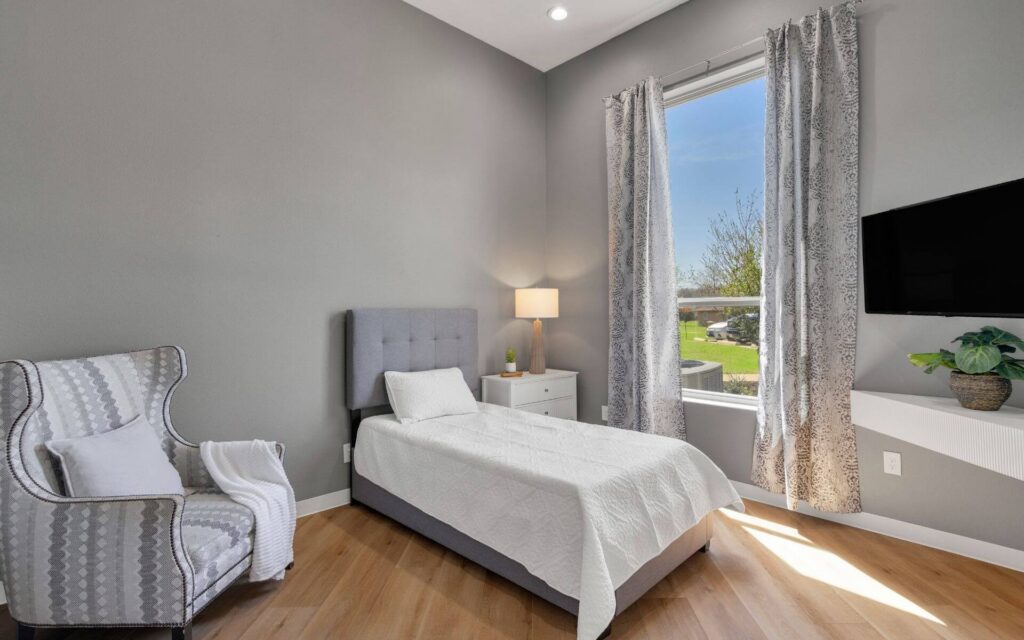
A room should support the resident’s comfort, mobility, privacy, and daily care needs. Ask whether private and shared rooms are available, whether the bathroom is private, shared, or en-suite, and whether the layout fits the resident’s mobility needs.
Find out what furnishings and utilities are included, what personal items the resident may bring, and how housekeeping or personal care is handled. Ask to see the specific room or room type being considered whenever possible.
The bedroom is only one part of the living experience. Notice the route to bathrooms, dining spaces, common areas, outdoor spaces, and places where family members can visit. Our Cottage offers private and shared rooms, accessible bathrooms, utilities included, spacious and comfortable surroundings, and home-like common areas. You can review current floor plans and pricing as part of your comparison.
Assisted Living Checklist for Comparing Communities
Use the same questions during each tour. A consistent checklist helps you compare what matters without allowing one memorable feature to outweigh care needs, contract terms, or long-term fit.
| Comparison Area | Question to Ask | What to Document |
| Care assessment | How are care needs evaluated and updated? | Assessor, review schedule, and family involvement |
| Daily assistance | What help is included? | Tasks, frequency, and response process |
| Staffing | Who is available at different times? | Roles, overnight availability, and contact person |
| Medical coordination | How are providers and medications coordinated? | Process, responsibilities, and limitations |
| Emergencies | What happens during an urgent situation? | Response steps and family notification |
| Meals | How are preferences and dietary needs handled? | Meal format, assistance, and flexibility |
| Daily life | How are activities adapted to the resident? | Choices, frequency, and individual options |
| Rooms | Which room and bathroom types are available? | Privacy, accessibility, and included features |
| Family involvement | How are families updated and included? | Contact methods and meeting process |
| Agreement | What is included and what costs extra? | Base rate, add-ons, and notice requirements |
| Changing needs | Can the community provide additional support? | Reassessment, added services, and transfer criteria |
| Overall impression | Can you picture the resident being comfortable here? | Observations and unresolved questions |
Record details you can verify later, such as included services, care-plan review schedules, added charges, and transfer terms. This will make it easier to compare written information after several visits.
Questions About Pricing, Additional Services, and the Residency Agreement
Pricing questions should clarify what you receive, what may be added, and when costs can change. Ask whether the rate applies per room, per resident, or per bed. Confirm whether utilities, meals, housekeeping, personal care, and other support are included.
Medicare states that it generally does not cover long-term custodial care, including most non-medical assistance with everyday activities. Coverage depends on the type of care and the person’s circumstances, so families should review their own benefits and payment arrangements carefully.
Ask the community about one-time fees, enhanced care charges, rate changes, notice periods, cancellation terms, refunds, and move-out policies. You should also understand whether a room is held during a hospital stay and what is included in a respite arrangement.
Current base pricing provided for Our Cottage is:
- Premium Private: $7,000 per month
- Premium Private with en-suite: $7,500 per month
- Executive Private with en-suite, primary bedroom shared: $7,500 per month
- Premium Double with en-suite, primary bedroom single: $13,950 per month
An Enhanced Care Add-On is $1,250 per month. Respite Care is $350 per day with a five-day minimum. The one-time community fee is $3,500, or $350 for respite. Because room availability, support needs, and pricing can change, confirm all details directly before making a decision.
The Cost Comparison can help you organize the services and expenses involved in your current arrangement and the options you are reviewing.
Extra Questions to Ask Memory Care Facilities
Questions to ask memory care facilities should focus on routines, communication, staff preparation, environmental safety, and changing support needs. Memory Care should not be evaluated as though it is simply Assisted Living with more supervision.
Ask how the community determines whether Memory Care is appropriate, how routines are personalized, and how changes in behavior or daily functioning are documented. Learn how meals, personal care, activities, and family communication are adapted when memory changes affect daily life.
You should also ask how the environment supports safe movement, whether outdoor spaces are secure, and what happens if the resident’s needs become more complex. Request the opportunity to see the actual Memory Care setting and ask how new residents are supported during the adjustment period.
These questions affect a growing number of families. The Alzheimer’s Association estimates that 7.4 million Americans age 65 and older were living with Alzheimer’s in 2026. Its guidance recommends asking about staff training and experience, indoor and outdoor spaces, independence, care practices, and how the setting meets the person’s needs.

What to Ask on the Second Visit Before Making a Decision
A second visit lets you test your first impression and answer questions that may not have occurred to you during the initial tour. Visit at a different time or on another day when possible. You may notice a different meal, activity, staffing period, or daily routine.
Bring the future resident when appropriate, ask to see the exact room type under consideration, and review the written agreement and price information. Confirm who the family’s main contact will be and ask how the first days and weeks after move-in are handled.
Families often devote most of their attention to choosing the community but ask fewer questions about the early transition. Ask how the team learns the resident’s routines and preferences, what information the family should provide, and how questions are handled after arrival.
Use your original checklist again. Answers that differ between visits are not always a problem, but they do deserve clarification before you commit.
How to Decide After the Tour
A good decision depends on more than the number of amenities a community offers. Review the information you gathered through five connected areas:
- Care fit: Can the community meet the resident’s current daily needs?
- Adaptability: Can support change if needs develop?
- Relationships: Does communication feel clear and respectful?
- Environment: Do the rooms and shared spaces support comfort, access, and privacy?
- Specific terms: Are services, pricing, policies, and responsibilities clearly documented?
Separate your findings into must-haves, preferences, unresolved questions, and potential concerns. A must-have may relate to safety, care, or accessibility. A preference may improve comfort, but should not outweigh a gap in essential support.
Return to the written agreement whenever a verbal answer affects care, costs, or move-out conditions. The clearest choice is usually the one that meets the resident’s needs and provides answers your family can understand and verify.
Families comparing different local options may also find this guide to senior living in Plano, TX, helpful when thinking about lifestyle, care needs, daily support, and long-term fit.
Ask Your Questions During a Visit to Our Cottage in Plano
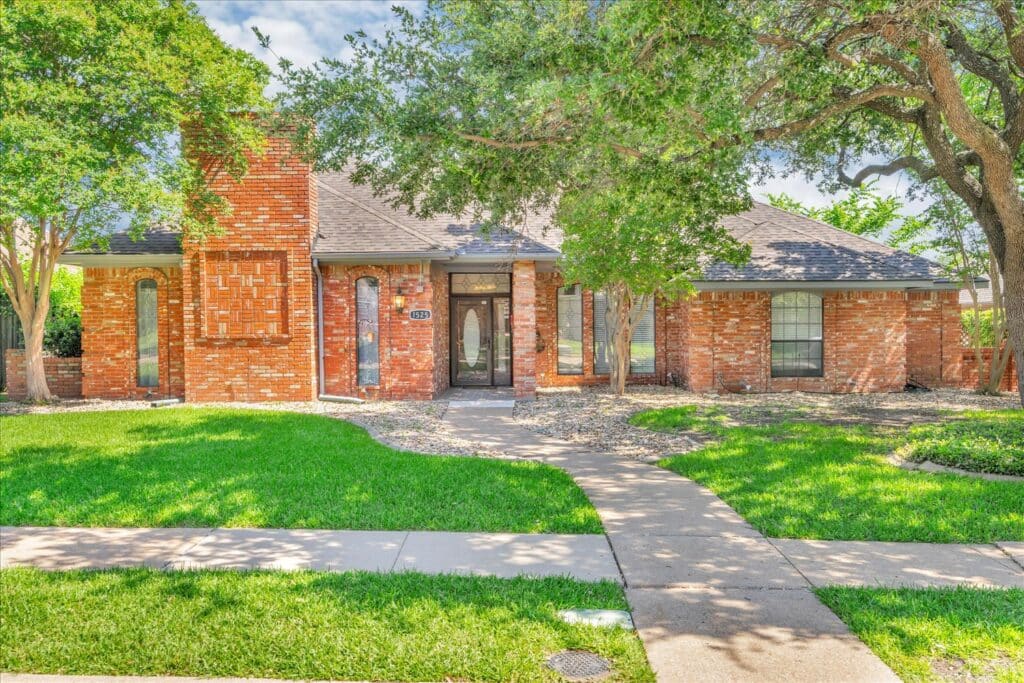
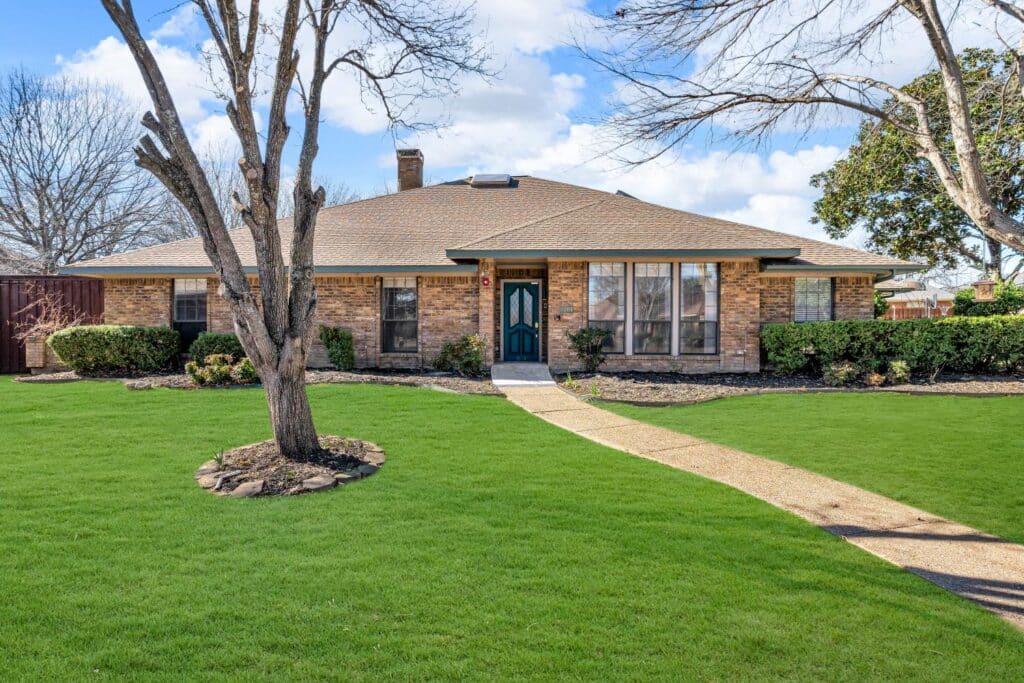
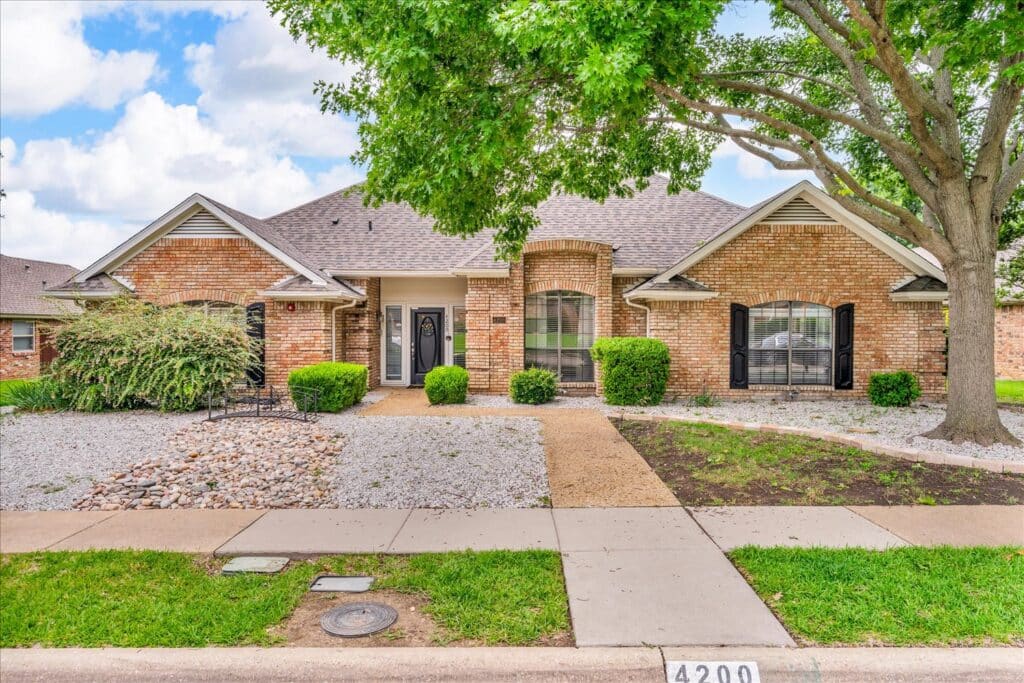
The right questions can help you move from a good first impression to a decision grounded in care fit, daily comfort, clear terms, and future needs. Our Cottage offers Assisted Living, Memory Care, and Respite Care at locations on Ambrosia Lane, Aylesbury Lane, and Diane Drive in Plano.
Bring your checklist and see the rooms, home-like common areas, accessible bathrooms, private visiting spaces, porches, and secure garden areas for yourself. You can schedule a visit, contact the team, or call 469-697-0565 to discuss your questions and decide what information you still need.