


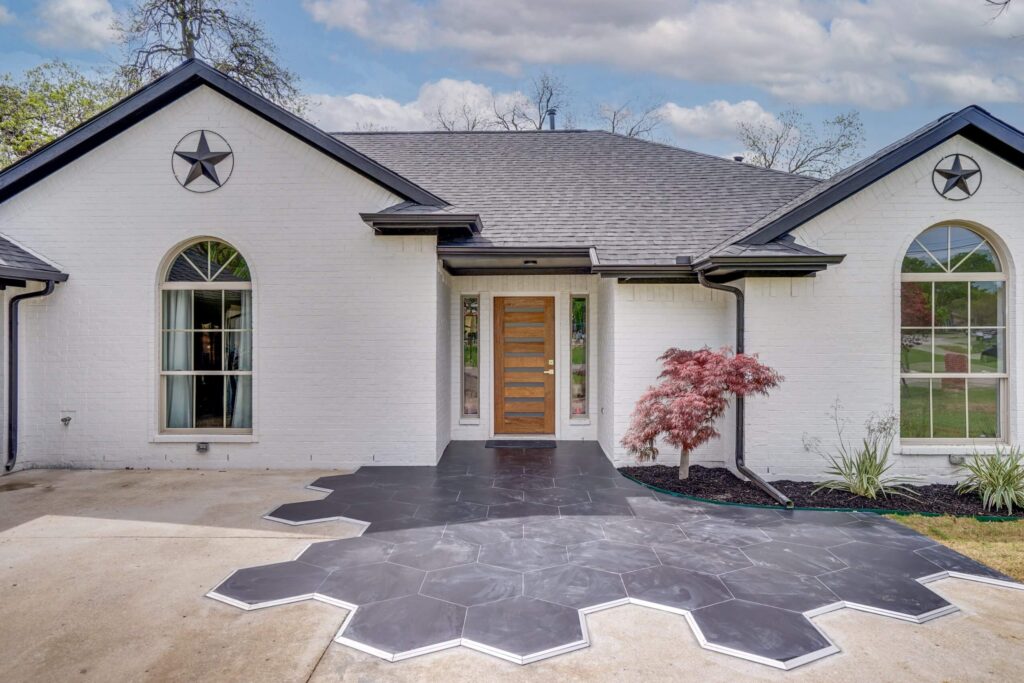
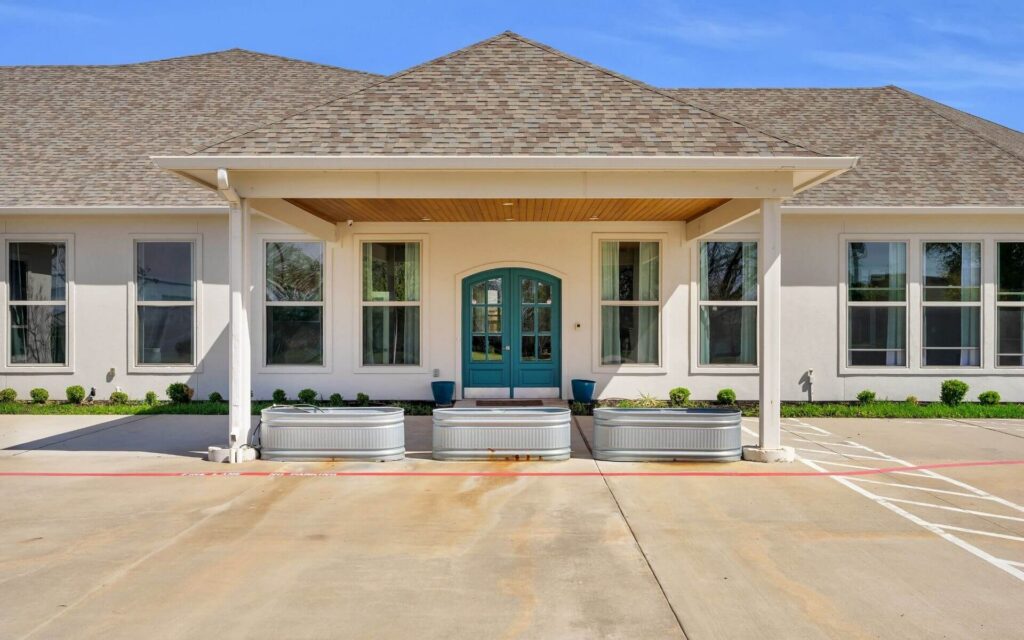

Residential assisted living combines assistance with daily needs with a smaller, house-like living environment. Rather than living in a large building or campus, residents typically share a home-scale setting with common living and dining spaces and a smaller group of neighbors.
For families comparing senior living options, that difference in scale can shape everyday life. A smaller setting may offer fewer spaces to navigate, a more intimate social environment, and daily routines centered around shared household spaces. A larger assisted living community may offer a broader range of common areas, activities, amenities, and social opportunities.
Neither model is automatically better. The important question is whether the setting, available support, routines, room arrangements, and social environment fit the individual who will live there.

Care assessment
What Is Residential Assisted Living?
Residential assisted living generally refers to assisted living provided in a smaller residential or home-like environment. You may also encounter terms such as small assisted living homes, residential care homes, or boutique assisted living.
These terms can help describe the setting, but families should not assume they represent one standardized model. Size, licensing, staffing arrangements, services, room configurations, and policies can vary from one residence to another.
In Texas, assisted living is regulated according to the care and services a facility provides, and state requirements distinguish between different facility types and sizes. Families can review the state’s assisted living requirements and definitions when they want additional regulatory context.
That distinction matters because the appearance of a home tells you only part of the story. A residential setting may feel familiar and comfortable, but families still need to understand exactly what support is available inside that particular home.
If your family is still deciding whether assisted living itself is the appropriate level of support, the guide to choosing the right assisted living care setting addresses that broader decision.
How Is a Small Assisted Living Home Different From a Larger Community?
The most visible difference is scale, but scale can influence several parts of daily life.
| Factor | Smaller residential setting | Larger assisted living setting |
| Physical environment | Usually organized on a household or residential scale | Often a larger building or campus |
| Shared spaces | Living and dining may center around a smaller number of common areas | May include multiple lounges, dining areas, activity spaces, and other common areas |
| Social environment | Residents may regularly interact with a smaller group of neighbors | Residents may have access to a larger social population |
| Daily routines | May feel more closely connected to household routines | May include a larger schedule of organized programs and activities |
| Privacy | Depends on available private or shared rooms and the home’s layout | Also varies based on room type and community design |
| Navigation | A smaller footprint can mean fewer spaces to move between | A larger setting may require navigating more hallways, floors, or common areas |
| Services and support | Must be verified with the individual provider | Must also be verified with the individual provider |
The table describes common differences in setting, not guarantees about quality.
For example, a smaller home should not automatically be assumed to have better staffing, more personalized care, greater safety, or better outcomes. Those questions require information about the actual residence, its practices, and the older adult’s needs.

What the Smaller Scale Can Mean for Daily Life
A floor plan or resident count may seem like a basic detail, but it can affect how a person experiences each day.
Shared Spaces and Daily Rhythm
In a home-scale environment, living rooms, dining areas, kitchens, porches, and other shared spaces may play a central role in daily life.
For someone who enjoys being part of familiar household activity, that arrangement may be appealing. Others may want a setting with more separate gathering spaces or a wider choice of places to spend time.
When visiting, notice what residents can actually do throughout the home. Are there comfortable places to sit quietly? Where do people gather? Where are meals served? Does the environment match the person’s preferred daily rhythm?
Privacy and Personal Space
A small community does not necessarily mean less privacy, just as a large community does not automatically provide more.
Ask whether rooms are private or shared, whether bathrooms are private or shared, and where a resident can spend time alone when desired.
The right balance depends on the individual. Some people enjoy having activity nearby throughout the day. Others need a dependable place to retreat, rest, read, talk privately with family, or simply have quiet time.
Social Environment
One of the clearest differences between small and large senior living settings is the scale of the resident community.
A smaller environment may mean seeing the same neighbors regularly and participating in activities with a more consistent group. That can appeal to someone who enjoys intimate social settings.
A larger senior living community may be preferable for a person who values meeting more people, choosing among numerous social groups, or participating in a wider range of scheduled activities.
Instead of asking which environment is more social, consider what kind of social environment the older adult actually prefers.
Family Visits and Outdoor Space
Families should also look beyond the resident’s bedroom when evaluating a home.
Consider where visits will happen. Is there a comfortable common area? Can family members spend quieter time together? Is outdoor space available and accessible?
These details can make a meaningful difference because a senior living residence is not only a place where support is provided. It becomes part of the resident’s everyday environment and often part of the family’s visiting experience as well.
Who Might Prefer a Home-Like Assisted Living Environment?
Residential senior living may be worth considering for an older adult who:
- Feels comfortable in a smaller residential environment
- Prefers interacting with a smaller group of people
- Likes familiar household-style living and dining spaces
- Would rather navigate a smaller physical setting
- Values access to quieter or more intimate common areas
- Prefers daily life that feels centered around a home rather than a larger campus
These are preferences, not rules.
Some older adults may feel energized by a larger community with more residents, activity spaces, amenities, and opportunities to meet different people. Others may prefer the familiarity of a smaller home.
The goal is not to identify the universally best model. It is to determine which environment is most compatible with the person’s needs, habits, personality, and priorities.
Lifestyle Assessment
Small Does Not Automatically Mean Better Care
“Small,” “residential,” “home-like,” and “boutique” can describe an environment, but they should not substitute for evaluating the care provided there.
Families should still ask about:
- The residence’s licensing and the population it is equipped to support
- Available help with activities of daily living
- Staffing arrangements and overnight support
- Medication assistance or management
- Mobility assistance
- Emergency procedures
- Room and bathroom arrangements
- How the residence responds when a person’s needs change
- Which services are provided directly and which may involve outside professionals
Texas guidance on assisted living facility types and resident needs illustrates why families need to evaluate more than the building itself. Different residents may require different levels and types of assistance, including help during nighttime hours or emergencies.
A beautifully designed house may create a positive first impression. The more important question is whether the residence can appropriately support the person who will live there.
What Should Families Compare in a Residential Assisted Living Home?
Once a smaller setting seems appealing, compare individual residences on the factors that affect daily life and support.
1. The Actual Size of the Resident Community
Ask how many people live in the home.
A label such as “residential” or “boutique assisted living” does not tell you enough on its own. Knowing the actual scale helps you picture how many people may share meals, common spaces, and activities.
2. Room and Bathroom Arrangements
Find out whether private and shared rooms are available and how bathrooms are arranged.
Think about the older adult’s preferences as well as practical needs. Someone who values substantial personal space may evaluate the options differently from someone who welcomes a companion arrangement.
3. The Physical Layout
Walk through the residence with the older adult’s mobility in mind.
Consider distances between the bedroom, bathroom, dining space, living areas, and outdoor areas. Look at accessibility features and ask how assistance is provided when a resident needs help moving through the home.
4. Common Living and Dining Spaces
Pay attention to where everyday life happens.
A comfortable living room may matter to someone who enjoys conversation and television with others. Dining arrangements may matter to a person who values shared meals. Someone who prefers quieter time may need access to more private spaces.
5. Outdoor Areas
Ask what outdoor spaces residents can use and how accessible they are.
A porch, garden, patio, or secure outdoor area may be important to someone who enjoys fresh air or spending time outside with visitors.
6. Daily Routines and Activities
Ask what an ordinary weekday and weekend look like.
A smaller community may organize activities differently from a larger campus. What matters is whether the actual options align with the resident’s interests, energy level, social preferences, and abilities.
7. Available Daily Support
Understand what assistance is available with needs such as bathing, dressing, grooming, mobility, meals, and medications.
Avoid assuming that two small assisted living homes provide identical support simply because the environments look similar.
8. Staffing and Overnight Coverage
Ask who is present during the day and overnight and what happens when a resident needs assistance.
The answer is more useful than trying to judge support quality from resident count alone.
9. Changing Needs
An older adult’s needs may change over time.
Ask what changes the residence can accommodate, how families are informed when needs change, and under what circumstances a resident might need a different setting.
10. Family Access and Visiting Spaces
Consider how easy it will be for important relationships to continue.
Ask about visiting arrangements and identify spaces where residents can comfortably spend time with relatives and friends.

Questions to Ask Before Choosing Residential Assisted Living
Once you understand the model, a few targeted questions can reveal whether a particular home matches your expectations:
- How many residents live in this home?
- Which areas of the home are shared?
- What private and shared room options are available?
- What does a typical day look like for residents here?
- How are activities and social opportunities handled with a smaller resident group?
- What assistance is available during the day and overnight?
- What happens if a resident’s support needs increase?
- Which services are provided here, and when are outside providers involved?
- Where can residents spend private time with visiting family members?
These questions focus specifically on understanding a residential model. When you are ready to evaluate an individual provider more broadly, review these additional questions to ask an assisted living community about care, staffing, daily life, rooms, agreements, and other practical considerations.
Exploring a Residential Assisted Living Setting at Our Cottage
Our Cottage provides assisted living in residential settings designed around a smaller, home-like environment.
Available features include private and shared rooms, home-like common areas, accessible bathrooms, outdoor spaces, private dining or living areas for special visits, daily living support, dining and nutrition, home services and personal care, on-site medical coordination, and wellness and life enrichment.
Families interested in exploring Our Cottage’s residential settings can consider locations in Plano, Dallas, and Frisco:
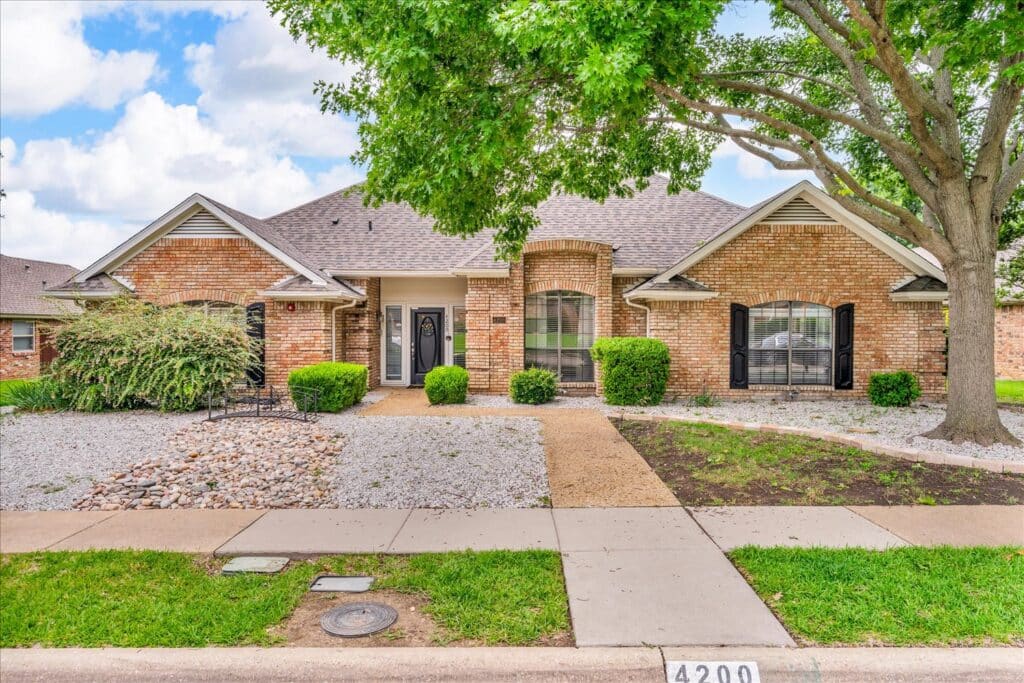
- Ambrosia Lane — 4200 Ambrosia Ln, Plano, TX 75093
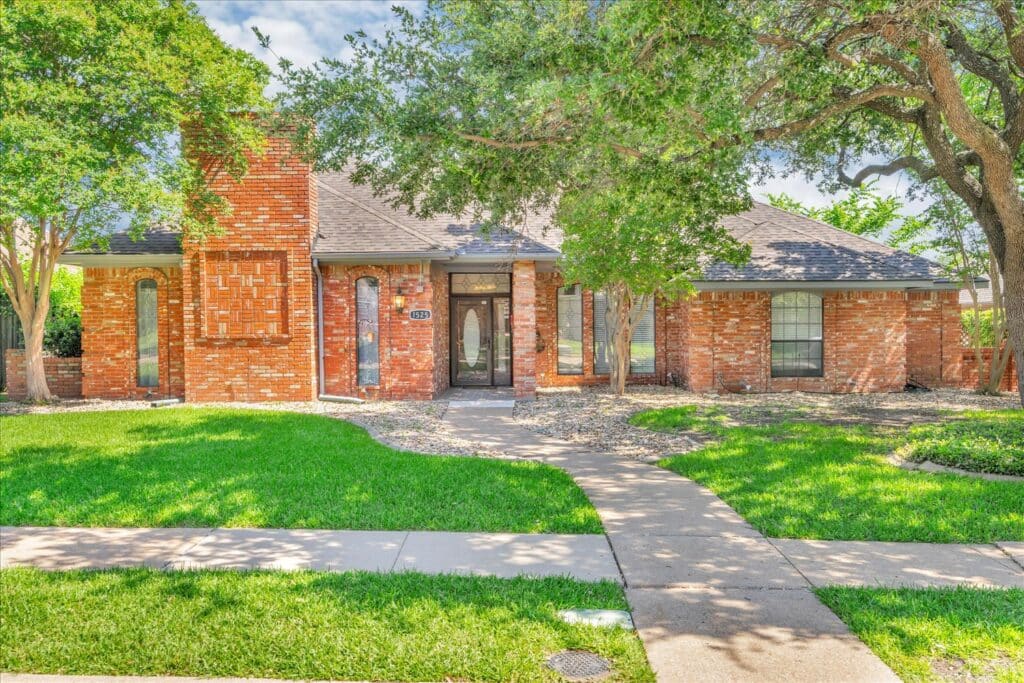
- Aylesbury Lane — 1525 Aylesbury Ln, Plano, TX 75075
- Diane Drive — 2101 Diane Dr, Plano, TX 75074
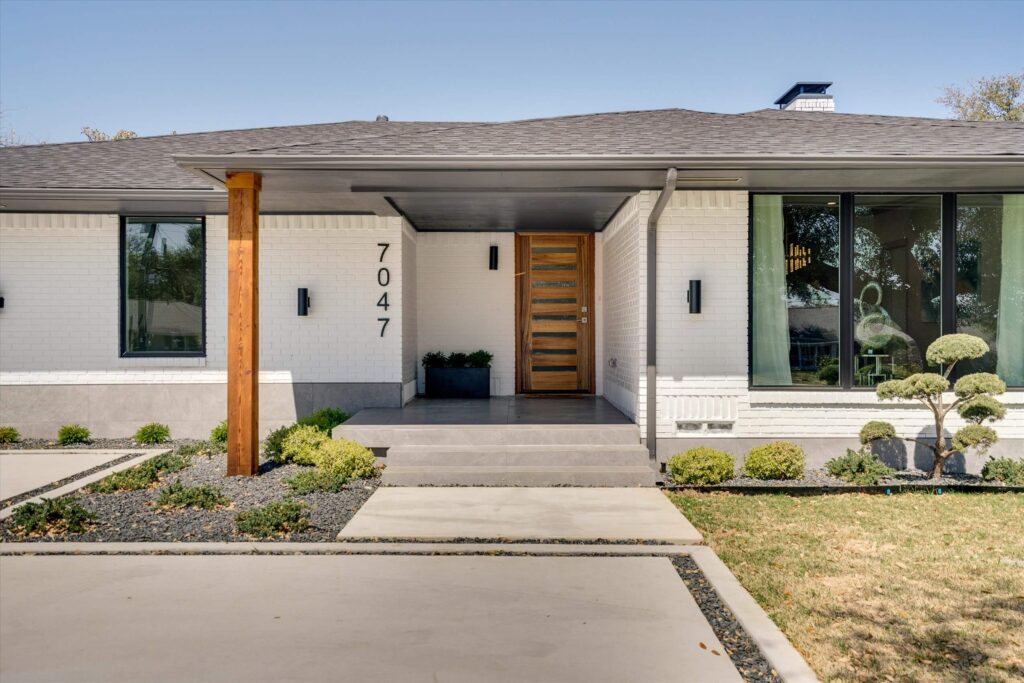
- Royal Lane — 7047 Royal Ln, Dallas, TX 75230
- Fiddler’s Green — 20000 Fiddlers Green Rd, Frisco, TX 75036
- Country Club Drive — 10410 Country Club Dr, Dallas, TX 75218
The most useful comparison is not simply “small versus large.” It is whether a particular residence can support the older adult’s needs while providing an environment where that person is likely to feel comfortable living day to day.
If your family is considering residential assisted living and wants to discuss individual needs, preferences, or fit, contact Our Cottage to ask questions about the available settings and support.