




Memory care assisted living is residential care for people living with Alzheimer’s disease, dementia, or other cognitive changes who need daily support in an environment organized around memory-related needs. It combines help with everyday activities with more consistent routines, safety-conscious surroundings, personal care, meals, and meaningful engagement.
For families, the important question is not simply whether someone has a dementia diagnosis. It is whether changes in memory, judgment, communication, or daily functioning are making the current living arrangement harder to manage safely and consistently.
Understanding how this type of care works can make it easier to recognize when more support may be appropriate, compare it with traditional assisted living, and plan for the practical and financial questions that come next.

Care assessment
What Is Memory Care Assisted Living?
Memory care assisted living is a form of residential senior care designed around the needs of people experiencing memory loss and other cognitive changes.
Dementia involves changes in memory, language, problem-solving, or other thinking abilities that are significant enough to interfere with everyday life. Alzheimer’s disease is the most common cause of dementia.
As cognitive changes progress, a person may need more than occasional reminders or help with selected tasks. Memory care can provide greater consistency throughout the day, including assistance with personal routines, meals, navigation, engagement, and other areas where memory loss affects daily functioning.
Residential long-term care settings may provide personal care and other forms of daily support, and some offer programs specifically for people living with Alzheimer’s disease or other dementias.
Memory care does not mean that a person has lost all independence or should no longer make choices. The level of assistance should reflect the person’s abilities, preferences, risks, and day-to-day needs.
What Happens in Memory Care?
Daily life in memory care is generally more structured and predictable than in a setting designed for older adults who can manage much of their routine independently.
Support may include help with:
- Dressing and grooming
- Bathing and personal care
- Meals and nutrition
- Mobility and navigation
- Everyday routines
- Social and wellness activities
- Changes in daily support needs
Predictable routines can make the day easier to follow when memory or judgment changes create confusion.
The physical environment also matters. Clear pathways, accessible bathrooms, comfortable common areas, and secure outdoor spaces can reduce unnecessary challenges while still allowing residents to move, participate, and spend time with others.
Safety should not be understood only as supervision or restriction. A thoughtful memory care environment also makes room for dignity, familiar preferences, relationships, privacy, and appropriate independence.
How Is Memory Care Different From Assisted Living?
Both assisted living and memory care can help older adults with everyday activities. The main difference is that memory care is organized around cognitive changes and the additional structure, guidance, and environmental support those changes may require.
| Decision Factor | Assisted Living | Memory Care |
| Primary purpose | Help with everyday living and personal care | Support shaped around memory and cognitive needs |
| Typical support | Assistance with selected daily activities | More consistent guidance, structure, and supervision |
| Daily routine | Supportive, with varying independence | Often more predictable and intentionally structured |
| Environment | Accessible residential setting | Environment considers memory-related safety and navigation |
| Engagement | General social and wellness opportunities | Engagement adapted to abilities, comfort, and cognitive needs |
| Key family question | How much help is needed with daily activities? | Are cognitive changes affecting safety, judgment, or daily functioning? |
A diagnosis alone does not determine which setting is appropriate. Someone living with dementia may still manage well with their current support, while another person may need greater consistency because memory or judgment changes are interfering with everyday life.
For a deeper side-by-side decision guide, read Memory Care vs Assisted Living: How to Choose the Right Support.
When Might It Be Time to Consider Memory Care?
Families often begin exploring memory care after noticing patterns rather than one isolated incident.
Signs that may justify a conversation about additional support include:
- Repeated confusion about familiar routines, times, or places
- Growing difficulty with dressing, bathing, eating, or other essential tasks
- Becoming lost or disoriented in familiar surroundings
- Increasing safety concerns related to memory or judgment
- Behavioral or communication changes that make daily routines harder to manage
- A need for more supervision than the current setting can reliably provide
- Caregiving demands that are becoming difficult for family members to sustain
These signs do not diagnose dementia and do not automatically mean that someone needs to move.
Unexplained changes in memory, thinking, or judgment should be discussed with a qualified healthcare professional. A medical evaluation can help determine whether symptoms may be related to dementia or another cause.
A practical way to think through the situation is to consider three areas:
Safety: Are cognitive changes creating repeated or serious risks?
Support: Can the person’s needs be met consistently throughout the day?
Sustainability: Can the current arrangement continue realistically for both the older adult and the people providing care?
When those answers become increasingly uncertain, it may be time to explore additional support.
Families can also use the Care Assessment to organize practical care considerations. It is a planning resource, not a medical diagnostic tool.

How Can Memory Care Support Safety Without Removing Dignity?
Cognitive changes can affect navigation, judgment, communication, and awareness of hazards. That makes the environment an important part of memory care.
Safety measures should respond to actual needs rather than remove every opportunity for choice.
For example, a resident may benefit from secure outdoor access while still being able to enjoy a porch or garden. An accessible bathroom may make personal routines easier while allowing the resident to continue participating in tasks they can still manage.
Home safety guidance for people living with dementia emphasizes reducing hazards while supporting as much independence as reasonably possible.
During a community visit, families can ask how residents are supported when they want to:
- Walk or move around the residence
- Spend time outside
- Visit privately with family
- Choose between activities
- Follow familiar routines
- Decline an activity
- Receive additional help when their needs change
Those answers often reveal more about everyday care than a general statement that a community is “secure.”
What Is the Average Monthly Cost for Memory Care?
There is no single monthly price that applies to every memory care community.
Costs can vary based on:
- Location
- Room type
- Level of daily support
- Included services
- Additional care needs
- Community setting and amenities
For families comparing costs in more detail, Memory Care Facility Costs and Choices for Plano Families explains how room type, support needs, and included services can affect overall pricing.
At the three Plano residences covered here, base pricing begins at $7,000 per month per bed for a Premium Private room.
Current approved pricing includes:
- Premium Private: $7,000 per month
- Premium Private with en-suite: $7,500 per month
- Executive Private with en-suite: $7,500 per month
- Premium Double with en-suite: $13,950 per month
- Enhanced Care Add-On: $1,250 per month
- Respite Care: $350 per day, five-day minimum
- One-Time Community Fee: $3,500
- Respite Community Fee: $350
Because room type and support needs can affect the total, families should ask what is included in the base rate and which services may involve additional charges.
Current options can also be reviewed through Floor Plans & Pricing and the Senior Living Cost Comparison.
Is Memory Care Covered by Insurance?
Families should not assume that Medicare will cover the residential cost of memory care.
According to Medicare’s long-term care coverage guidance, Medicare generally does not pay for long-term custodial care when the primary need is help with everyday activities such as bathing or dressing.
That does not mean all healthcare expenses stop being covered when someone lives in memory care. Qualifying medical services may still be covered separately depending on the service and the person’s Medicare coverage.
Other possible payment sources may include Medicaid for eligible individuals or private long-term care insurance. Coverage and eligibility vary, so families should confirm their specific benefits rather than assume a policy will pay for memory care.
What Should Families Ask About a Memory Care Community?
The term “memory care” alone does not explain exactly how a residence operates. Services, environments, and levels of support can differ.
When comparing options, ask practical questions such as:
- What would a typical day look like for this person?
- How are personal routines and preferences learned?
- How is support provided during confusion or distress?
- How are changing needs communicated to family members?
- Which services are included in the monthly price?
- Which services cost extra?
- How are meals and nutrition handled?
- What opportunities are available for outdoor time?
- What room options are available?
- How does the residence support family visits?
- How are outside healthcare providers coordinated when needed?
The environment deserves attention as well. Look at bathrooms, common areas, outdoor access, room choices, dining spaces, and places where family members can spend time together.
For a broader guide to evaluating residential settings, see Memory Care Homes: How to Choose With Confidence.
Families comparing options in the local market can also read Memory Care Facilities in Dallas: What to Compare Before Choosing.

What Are Memory Care Facility Requirements in Texas?
Memory care programs can vary, which makes it important to understand both what a community offers and the rules that apply to the underlying care setting.
Texas assisted living facility guidance explains that assisted living facilities in Texas are licensed and regulated by the state.
Families do not need to become regulatory experts before choosing care. More useful questions include whether the residence is appropriately licensed, what memory-related support is available, how residents’ changing needs are addressed, and how the setting handles safety and daily care.
Licensing information should be considered alongside the practical factors that determine everyday fit.
Memory Care Support in Plano
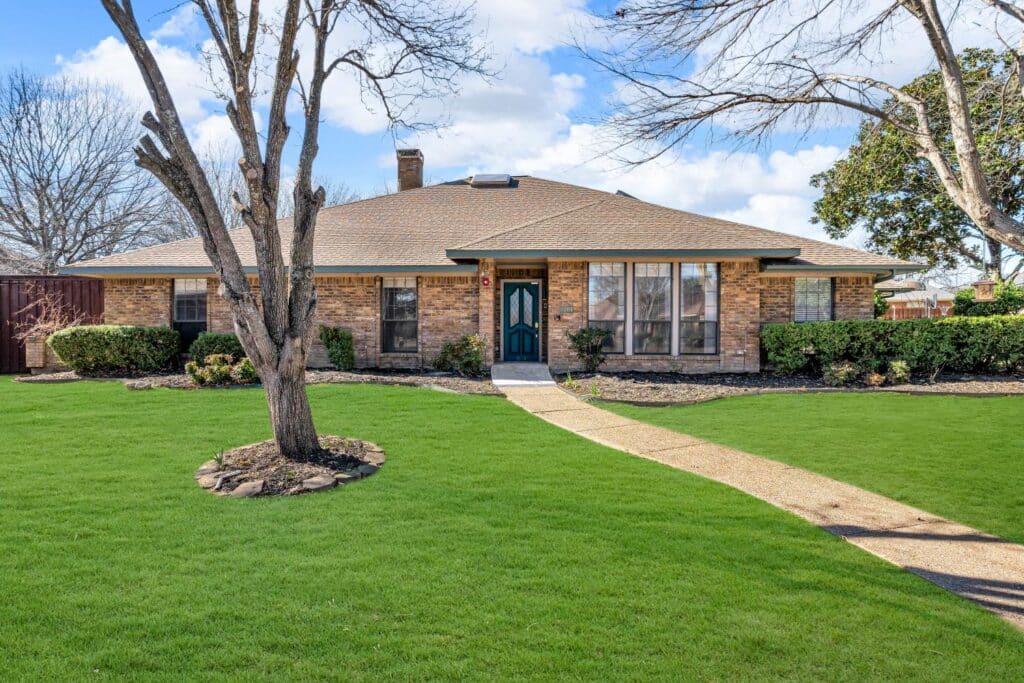
Assisted Living, Memory Care, and Respite Care are available at three Plano locations:
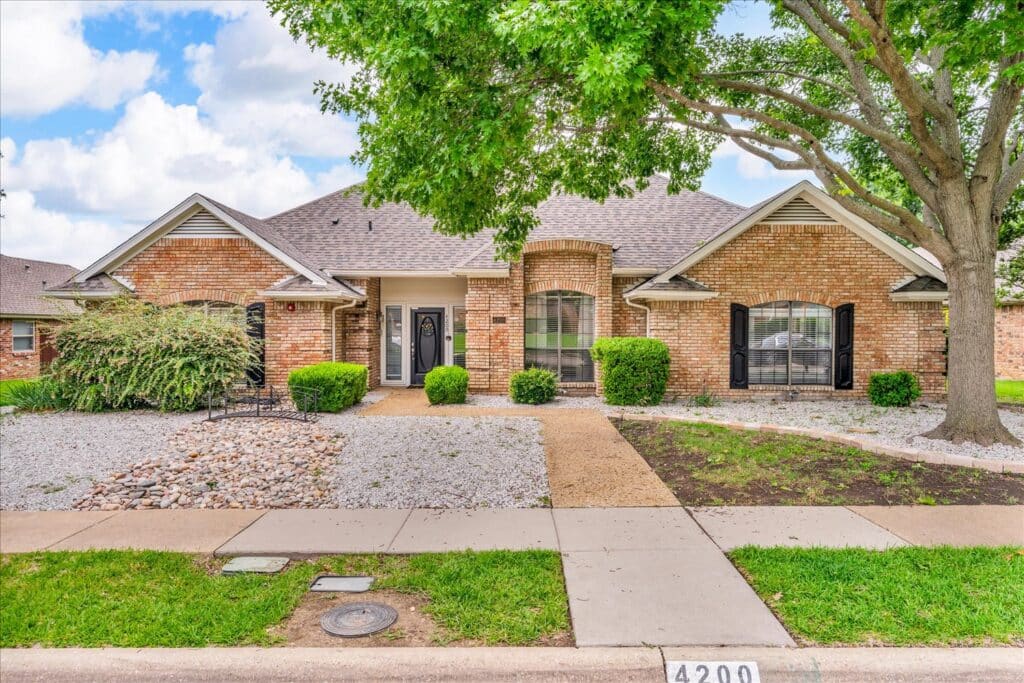
- Ambrosia Lane: 4200 Ambrosia Ln, Plano, TX 75093
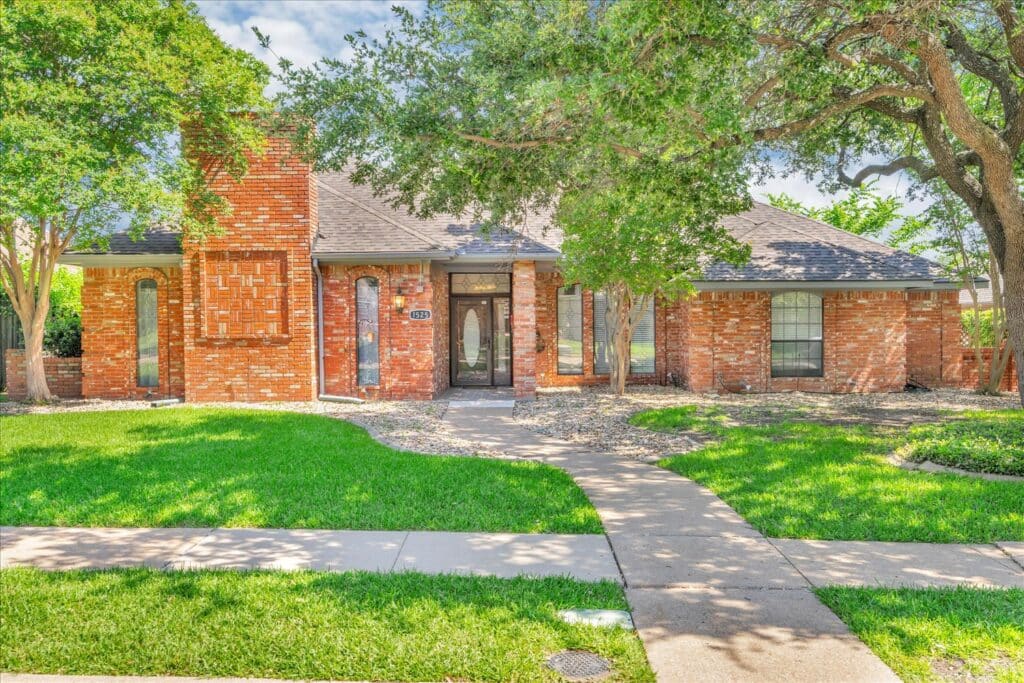
- Aylesbury Lane: 1525 Aylesbury Ln, Plano, TX 75075
- Diane Dr: 2101 Diane Dr, Plano, TX 75074
Available support includes daily living assistance, on-site medical coordination, dining and nutrition, home services and personal care, and wellness and life enrichment.
The residences also include comfort-focused design, home-like common areas, accessible bathrooms, porches and secure garden areas, private spaces for family visits, and private or shared rooms.
Families who want to review the broader offering can explore care services and community amenities.
Understanding the Next Step
Learning what memory care assisted living means is only the beginning. The more useful question is whether the current living arrangement still provides enough safety, consistency, and everyday support for the person you care about.
A family does not need to make that decision from a diagnosis, one difficult day, or a checklist alone. Looking at patterns in everyday life, speaking with healthcare professionals when cognitive changes are unexplained, and comparing actual care options can make the next step clearer.
If you are still determining which level of support may fit, start with the Care Assessment.
If you are ready to see the residences in person, you can schedule a visit or call 469-697-0565.
Schedule a Tour
Frequently Asked Questions
What does it mean when someone is in memory care?
It means the person lives in a residential setting where the environment and daily support are organized around memory-related and cognitive needs.
Depending on the person and the community, that may include help with personal care, meals, routines, navigation, engagement, and safety while continuing to respect preferences and remaining abilities.
How long does someone usually live in memory care?
There is no standard length of stay.
The answer varies based on a person’s health, diagnosis, changing care needs, circumstances, and when they enter memory care. Memory care is a type of support setting, not a way to predict life expectancy.
Questions about prognosis should be discussed with a qualified healthcare professional.
What happens in a memory care facility?
Residents may receive help with personal routines, meals, daily activities, navigation, social engagement, and other needs affected by cognitive changes.
The exact services depend on the residence and the person’s support needs.
Is memory care the same as a nursing home?
No.
Memory care describes specialized residential support for people experiencing dementia or other cognitive changes. It may be provided within an assisted living setting or another residential model.
Nursing homes generally provide a higher level of ongoing nursing or medical care. The National Institute on Aging’s overview of assisted living and nursing homes explains the broader differences among facility-based long-term care options.