



Senior living in Texas means choosing a community that matches an older adult’s care needs, daily routine, and comfort. At Our Cottage, families can explore Assisted Living, Memory Care, Respite Care, Dementia Care, and Alzheimer’s Care in a home-like setting. This guide explains what Texas senior living includes, how families compare options, and what to look for when evaluating the right fit.

Care assessment
Senior Living in Texas: Quick Answer for Families
Senior living in Texas generally refers to residential communities that provide older adults with assistance with daily living, personal care, safety, meals, and structured routines. Some communities focus on broader support, while others also provide more specialized care for memory-related needs. The National Institute on Aging notes that residential long-term care settings may include housing, personal care, meals, social activities, and medical services, with some offering special programs for people living with Alzheimer’s disease and other dementias.

How families compare care options in a senior living facility
For many families, the first practical step is understanding the difference between general daily support and more specialized cognitive support. That search for a senior living facility is more focused and easier to manage.
At Our Cottage care services, families can compare the services that best align with a loved one’s current needs.
| Service | Best understood as | What families may be looking for |
| Assisted Living | Daily support in a residential setting | Help with routine tasks, personal care, and day-to-day comfort |
| Memory Care | Structured support for memory loss | A more consistent setting for residents living with cognitive change |
| Dementia Care | Ongoing support for dementia-related needs | Familiar routines and a reassuring environment |
| Alzheimer’s Care | Support tailored to Alzheimer’s disease | A setting designed around changing cognitive needs |
| Respite Care | Short-term stay option | Temporary support during recovery or caregiver relief |
This kind of comparison matters because not every Texas senior living community offers the same mix of care. The Alzheimer’s Association recommends considering the person’s needs, safety, and level of supervision when evaluating residential care options for dementia-related conditions.
What daily life and amenities may look like in a Texas senior living community?
A senior living community TX families feel good about should support comfort as much as care. Amenities are most useful when they make daily routines easier, visits more personal, and the overall environment calmer and more familiar.
At Our Cottage, that living experience may include Comfort-Focused Design, Outdoor Spaces (Porches and secure garden areas), Private Dining / Living Areas for Special Visits, Private and Shared Rooms, Home-Like Common Areas, Spacious and comfortable surroundings, Accessible Bathrooms, Utilities Included, Daily Living Support, On-Site Medical Coordination, Dining & Nutrition, Home Services & Personal Care, and Wellness & Life Enrichment.
| Amenity | How it supports daily life |
| Comfort-Focused Design | Helps create a calmer, more welcoming environment |
| Outdoor Spaces (Porches and secure garden areas) | Gives residents access to fresh air and quiet outdoor time |
| Private Dining / Living Areas for Special Visits | Makes family visits feel more personal and comfortable |
| Private and Shared Rooms | Allows flexibility based on preference and need |
| Home-Like Common Areas | Encourages familiarity and shared time |
| Accessible Bathrooms | Supports safer day-to-day routines |
| Utilities Included | Simplifies monthly living arrangements |
| Dining & Nutrition | Supports regular meals and nourishment |
| Wellness & Life Enrichment | Encourages engagement and meaningful routine |
The CDC’s healthy aging guidance explains that healthy aging includes physical, mental, and social well-being, not only medical care. Its guidance on social connection also notes that strong social bonds support overall mental and physical health. Those ideas help explain why environment, connection, and routine matter so much in senior living decisions.
Why families search for senior living in Texas
Families often begin searching online with phrases like senior living in Texas, retirement community Texas, senior living facility, or senior living community TX because they are trying to balance care needs, comfort, location, and cost. Some are planning. Others are responding to a recent change in health, memory, or daily functioning.
Texas remains a common focus because families want options across different care levels and living styles. Cost is also part of that search behavior. Genworth and Care Scout reported in 2025 that the national median annual cost of an assisted living community increased to $70,800, which is one reason many families compare what is included in the monthly rate and how closely services match actual needs.
For families doing early research, the Our Cottage blog can also help answer common questions about care, planning, and what to ask during a community search.
What families should ask when choosing a retirement community in Texas
When comparing a retirement community that Texas families can trust, it helps to focus on a few practical questions. Does the community offer the right level of support today? Does the environment feel manageable, comfortable, and welcoming? Are family visits easy to accommodate? Does the daily routine support dignity as well as safety?
The National Institute on Aging’s guidance on choosing a long-term care facility encourages families to compare services, staff support, costs, and overall fit before making a decision. That kind of side-by-side review can make tours more useful and help families ask more informed questions.
For a closer look at services and next steps, families can visit the Contact Us page to continue the conversation in a simple, direct way.
A closer look at Our Cottage and what families can expect
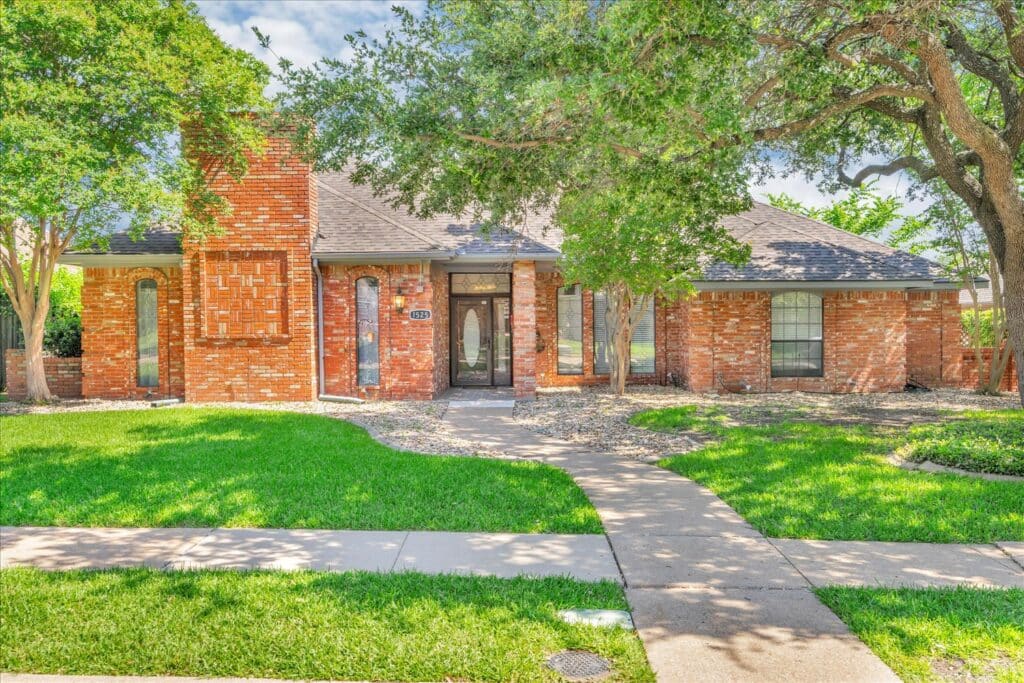
Our Cottage is a senior living community where families can explore Assisted Living, Memory Care, Respite Care, Dementia Care, and Alzheimer’s Care in a setting designed around comfort and support. The community experience includes home-like living areas, private and shared rooms, accessible bathrooms, outdoor porches and secure garden areas, private spaces for special visits, utilities included, and daily support services that help residents feel more at ease.
Families also look for communities that can support both practical and emotional needs. That is why features such as Dining & Nutrition, Home Services & Personal Care, On-Site Medical Coordination, and Wellness & Life Enrichment can be just as meaningful as room layout or physical design. When a community feels easier to navigate and more familiar, families often feel more confident in their decision.
For people exploring memory-related support, clear information is especially important. The Alzheimer’s Association 2025 Facts and Figures reports that an estimated 7.2 million Americans age 65 and older are living with Alzheimer’s in 2025. That helps explain why many families begin researching care options earlier and with more specific questions about dementia-related support.

Finding the right senior living in Texas for your family
Choosing senior living in Texas usually comes down to care fit, daily comfort, and whether the setting feels right for the person who will live there. A strong option is one that clearly supports current needs, provides a comfortable day-to-day environment, and gives families confidence that questions are answered with care.
For some families, that means focusing on Assisted Living and daily support. For others, it means looking more closely at Memory Care, Dementia Care, or Alzheimer’s Care in a setting with consistent routines and home-like spaces. Respite Care can also be an important option when a short-term stay is needed.
Our Cottage brings those considerations together through approved services and amenities that support comfort, structure, and family connection. The goal is not just to compare categories of care, but to understand how daily life may feel inside the community.
To take the next step, schedule a tour at Our Cottage, call us at (469) 697-0565, or contact us to learn more about available care and everyday life in the community.
Cost Comparison
Frequently Asked Questions
What is the best city to live in Texas for seniors?
The best city depends on each person’s priorities. Some seniors want to stay close to family, while others prioritize access to healthcare, a quieter setting, or lower living costs. Larger cities may offer more services, but smaller communities can feel less overwhelming. For many families, the best choice is the place that balances support, comfort, and convenience. A community’s care fit often matters more than the city name alone.
How much does senior living cost in Texas?
The cost of senior living in Texas varies by care type, included services, and the community itself. Families should ask what is covered in the monthly rate, including meals, utilities, personal care, and daily support. Cost comparisons are more useful when they are tied to actual needs rather than a base number alone. National cost data show that assisted living costs have risen in recent years, making clear pricing conversations more important. A direct conversation with the community is usually the best way to understand expected costs for a specific situation.
Does Texas have senior housing?
Yes, Texas has a wide range of senior housing and residential care options. These can include communities that support daily living, memory-related needs, or short-term stays. The level of support can vary widely across communities. That is why families usually benefit from starting with the care needs first and narrowing choices afterward. Looking at services, settings, and routines together can make the search more practical.
Where is the cheapest place to live in Texas for seniors?
Lower-cost areas are often found outside the largest metro markets, but lower cost does not always mean better overall fit. Families still need to weigh healthcare access, distance from loved ones, and the availability of the right care services. A lower monthly rate may not be as helpful if important support is missing. Many families find it more useful to focus on overall value than on the lowest number alone. The most affordable option should still support comfort, safety, and daily quality of life.