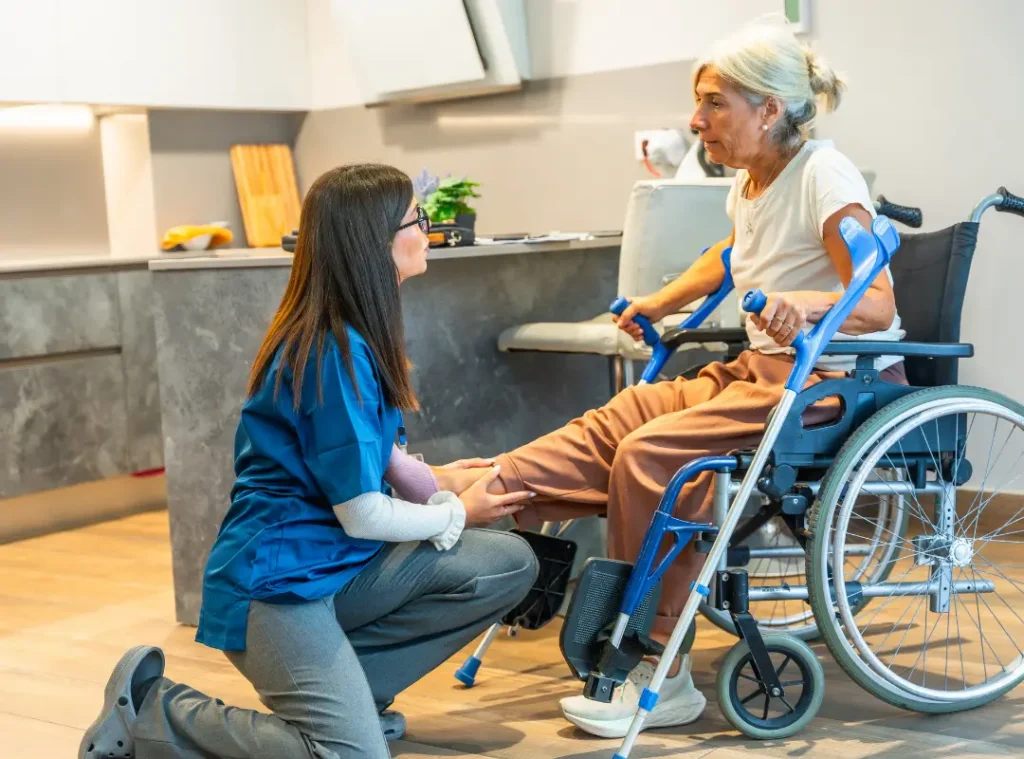









Games to play for dementia patients are usually simple, familiar activities that encourage calm, connection, and gentle engagement. At Our Cottage, families often look for game ideas that feel manageable, comforting, and easy to adapt for a loved one with memory loss. This article explains which games tend to work best, how to choose them, and how families can use them at home or in a supportive care setting.
What Are the Best Games to Play for Dementia Patients?
The best games for dementia patients are easy to follow, flexible, and centered on enjoyment instead of competition. Matching games, sorting activities, music-based games, simple conversation prompts, and familiar picture activities often work well because they reduce pressure while supporting interaction and routine. Guidance from the National Institute on Aging emphasizes adapting activities to the person’s abilities and interests to keep them enjoyable and meaningful.
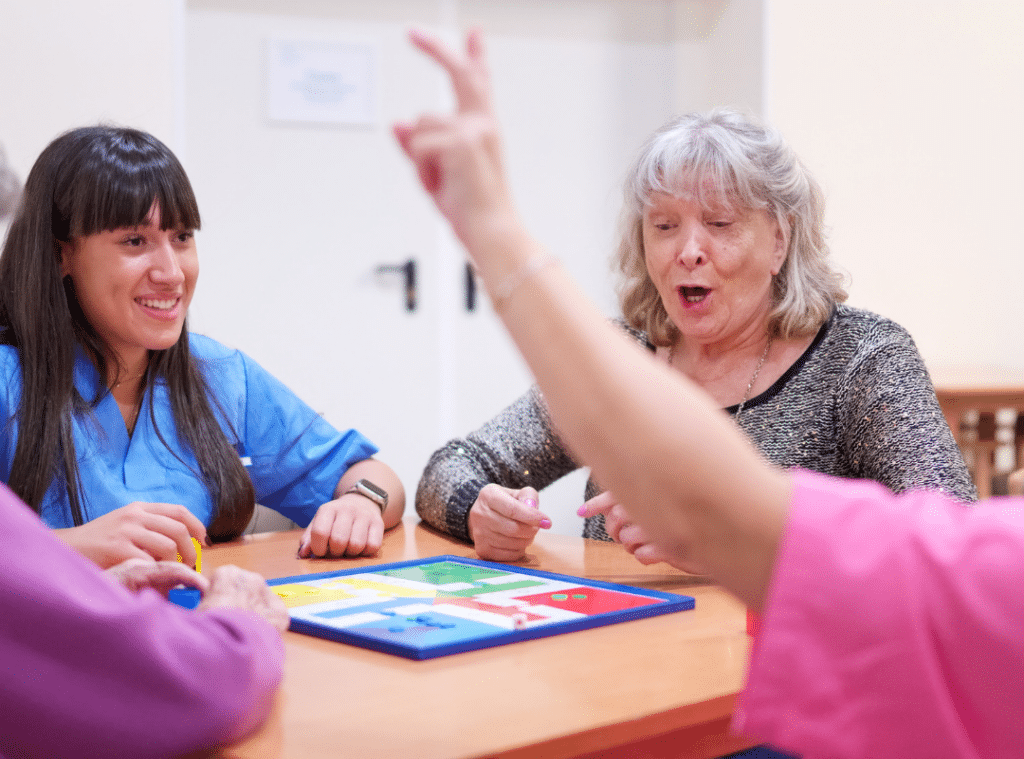
Why Simple Games Often Work Best
People living with dementia may still enjoy games and activities, but the format matters. Activities tend to go better when they have a clear purpose, a familiar rhythm, and very little pressure to “get it right.” The National Institute on Aging specifically recommends keeping people with Alzheimer’s engaged in activities they enjoy and adapting tasks as the disease changes what feels manageable.
This is one reason simple games for dementia patients are often more effective than fast-paced or highly competitive ones. A short picture-matching activity, a song-recognition activity, or a gentle object-sorting task can support attention and conversation without causing frustration. That same principle fits well with the care approach at Our Cottage, where the community supports adults who need daily assistance, memory support, or transitional help in small residential settings designed for comfort and dignity.
According to the Alzheimer’s Association 2025 Facts and Figures, an estimated 7.2 million Americans age 65 and older are living with Alzheimer’s in 2025. That is one reason families continue searching for practical, low-stress ways to support everyday engagement.
Simple Games for Dementia Patients That Families Can Try
When families search for simple games for dementia patients, they are usually looking for activities that are easy to start and easy to adjust. In most cases, the best choice is a short activity with familiar materials, a limited number of steps, and a calm pace.
| Game or Activity | Why It Can Help | Best Way to Use It |
| Picture matching | Encourages recognition and conversation | Use large, familiar images |
| Sorting by color or shape | Supports focus and repetition | Keep the number of items small |
| Music guessing games | Can spark memory and emotion | Choose familiar songs |
| Simple puzzles | Offers gentle mental engagement | Use fewer, larger pieces |
| Conversation prompts | Encourages connection | Ask one question at a time |
| Soft ball toss | Adds light movement | Keep the pace relaxed |
These interactive games for dementia patients work best when there is room to pause, repeat, or simplify. Instead of focusing on performance, it helps to focus on whether the person seems comfortable, interested, and able to participate in a way that feels natural.
Activities for Dementia Patients at Home
Families also search for activities for dementia patients at home because meaningful engagement often happens during ordinary routines. A good activity does not have to feel formal. Folding towels, sorting kitchen items by color, looking through family photos, or listening to favorite songs can all create moments of purpose and connection.
The National Institute on Aging suggests adapting activities around what the person already enjoys and what still feels manageable. That often means choosing tasks with a familiar structure, reducing distractions, and allowing extra time.
At Our Cottage’s care services page, families can explore support options that align with this kind of daily engagement, including Assisted Living, Memory Care, Respite Care, Dementia Care, and Alzheimer’s Care. The community also describes settings that feel home-like and personal, which support the kind of calm, activity-based routine many families want for a loved one.
Free Games for Dementia Patients and Printable Ideas
Many caregivers look for free games for dementia patients because simple, repeatable activities are often the most realistic. Printable picture matching, large-print word games, coloring pages, and conversation cards are common starting points. For families searching for free online games for dementia patients without downloading, the best options are usually simple browser-based matching or visual-recognition games with minimal clutter and no complicated setup.
| Free Activity Type | Best Use | Why It Often Works |
| Printable coloring pages | Quiet time | Visually simple and calming |
| Picture matching sheets | Recognition practice | Familiar images support engagement |
| Large-print word games | Short focus sessions | Easier to read and complete |
| Conversation cards | Social connection | Keeps interaction flexible |
| Browser-based matching games | Brief screen-based play | No download required in many cases |
In many situations, printable activities are still easier than digital ones because they reduce distractions and allow caregivers to guide the pace. Families who want additional memory-care reading can also browse the Our Cottage blog for more on senior living and caregiving.
The 20 Questions Game for Dementia Patients and Other Conversation Activities
The 20 questions game for dementia patients can be a good fit when it stays flexible. One person thinks of a familiar item, and the others ask simple yes-or-no questions to guess it. The best version of this game is not strict. It is supportive, unhurried, and focused on participation.
Instead of limiting the activity with hard rules, it often helps to choose familiar categories such as foods, household items, pets, or favorite places. Hints can come early. Repetition is fine. The point is not memory performance. The point is conversation.
This same approach also works for other familiar activities. Asking someone to finish a common saying, name their favorite holiday foods, or talk through old family photos may be just as effective as a structured game. In practice, many families find that “games” work best when they feel like shared moments rather than tasks.
Why Families Search for Dementia Activities and Memory Care Near Me in Texas
Families often begin with broad searches, such as games to play for dementia patients, but local search intent usually follows closely behind. As needs change, people also start looking for phrases such as memory care facilities near me, dementia care near me, or supportive residential care in Texas. That search behavior reflects a practical need: families often seek both helpful activity ideas and the right level of day-to-day support. Our Cottage operates senior living communities in Texas.
For families comparing options, local relevance matters because a supportive environment can shape how well activities work. Calm spaces, daily structure, and memory-supportive care often make it easier for residents to participate in familiar, reassuring activities.

How Our Cottage Supports Meaningful Activities for Residents With Dementia
Our Cottage is a senior living provider in Texas with multiple residential locations. According to the community’s website, it supports adults who need assistance with daily living, memory support, or transitional help, and offers services aligned with Assisted Living, Memory Care, Respite Care, Dementia Care, and Alzheimer’s Care.
The community’s website also describes a home-like model with features that align with your approved amenities, including Comfort-Focused Design, Outdoor Spaces (Porches and secure garden areas), Private Dining / Living Areas for Special Visits, Private and Shared Rooms, Home-Like Common Areas, Accessible Bathrooms, Utilities Included, Daily Living Support, On-Site Medical Coordination, Dining & Nutrition, Home Services & Personal Care, and Wellness & Life Enrichment. These details help strengthen the community’s identity as a supportive setting for residents who benefit from personalized dementia-related care.
Choosing Games That Feel Supportive and Familiar
The best games to play for dementia patients are usually those that help them feel included, calm, and capable. For some people, that may mean picture matching or music games. For others, it may mean sorting activities, simple conversation prompts, or quiet one-on-one routines at home. Guidance from the National Institute on Aging and theAlzheimer’s Association supports this approach by encouraging families to adapt activities around the person’s current needs, interests, and comfort.
What matters most is not the game’s complexity. It is whether the activity feels manageable, familiar, and kind. That is often what turns a simple game into a meaningful part of the day.
For families who want to learn more about daily routines and support at Our Cottage, the next step may be to explore the care services page, read more on the blog, visit the contact page, schedule a tour, or call us at (469) 697-0565. Those conversations can help families better understand how memory-supportive activities, daily living support, and a home-like environment come together at Our Cottage.
Frequently Asked Questions
What games can people with dementia play?
People with dementia often do best with simple, familiar games. Picture matching, sorting objects, music-based games, and easy conversation activities are common examples. These games work best when there is little pressure to remember rules or move quickly. The goal is usually connection and comfort, not competition. Activities can also be adjusted from day to day based on mood and energy.
How to calm a dementia patient at night?
A calm nighttime routine often starts with less noise, less clutter, and softer lighting. Some people respond well to quiet music, familiar photos, or a very simple one-on-one activity before bed. Repeating the same evening routine can also make the time feel more predictable. Stimulation-heavy games are usually less helpful at night than gentle, familiar activities. Ongoing nighttime distress should be discussed with a healthcare professional.
What are some fun activities for dementia patients?
Fun activities can include music, coloring, photo sharing, simple matching games, gardening, and light household tasks. What feels enjoyable often depends on the person’s history and preferences. Familiar activities usually work better than brand-new ones. Many families find that conversation-based activities are especially helpful because they allow flexibility. The best activity is often the one that feels relaxed and natural.
How long is the last stage of dementia?
The last stage of dementia is different for every person. Some people may live in this stage for months, while others may live longer, depending on overall health and care needs. Changes often include greater dependence on daily tasks and communication. Because progression varies, families usually need individualized guidance and support. Trusted education from the National Institute on Aging can help families better understand the condition.